A Crusade to Shield the Red Sea’s Dolphins
From the coral lagoons of Samadai to the reefs of Hurghada, HEPCA’s new “This Is Harassment” campaign confronts the ecological toll of unregulated tourism.
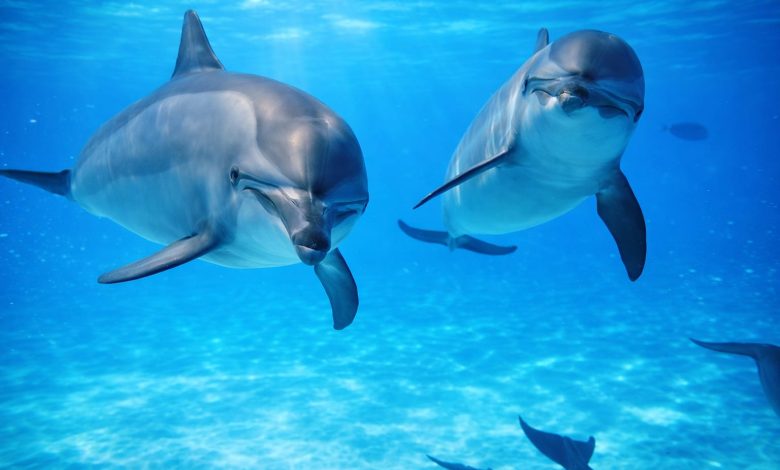
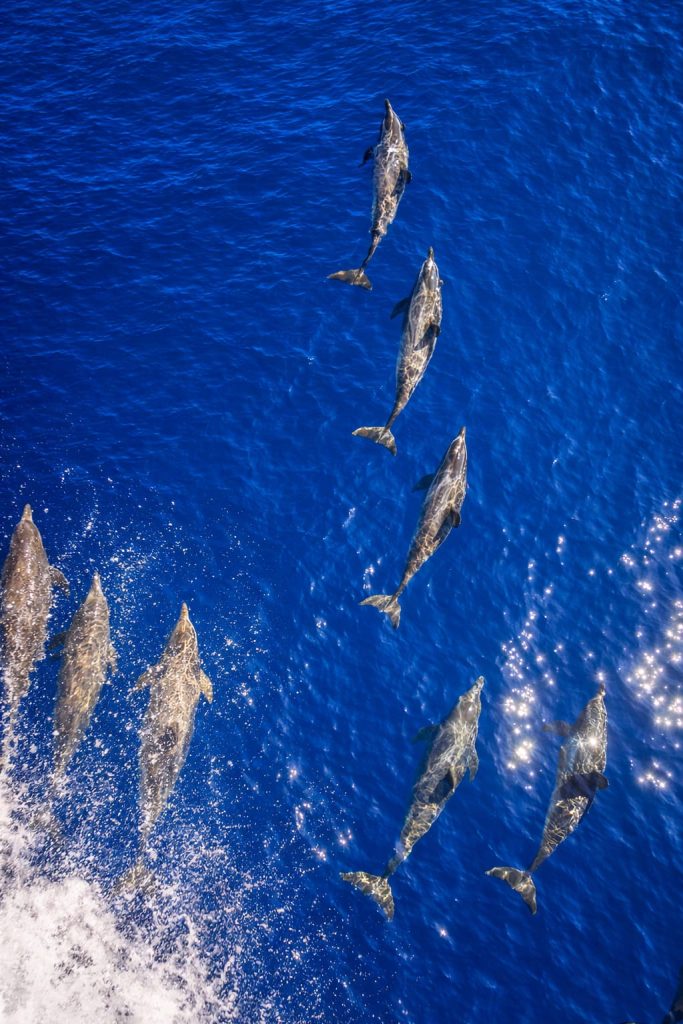
The Hurghada Environmental Protection and Conservation Association (HEPCA) has launched a poignant advocacy campaign titled: “This Is Harassment, Not Interaction.” The initiative seeks to safeguard the Red Sea’s dolphin populations and illuminate the malpractice eroding their natural rhythms. Currently, these marine sentinels endure mounting pressures and intrusive encounters that destabilize their hallowed habitats, threatening the very foundations of diving tourism and the biodiversity-driven blue economy. The campaign’s primary objective is to dismantle pervasive myths regarding human engagement with these sentient creatures.
Architects of Joy: The Collective Responsibility
HEPCA has extended an invitation to all echelons of society to champion this cause by disseminating awareness, abandoning harmful behaviors, and reporting violations. This effort includes specialized seminars for professionals within the maritime and tourism sectors.
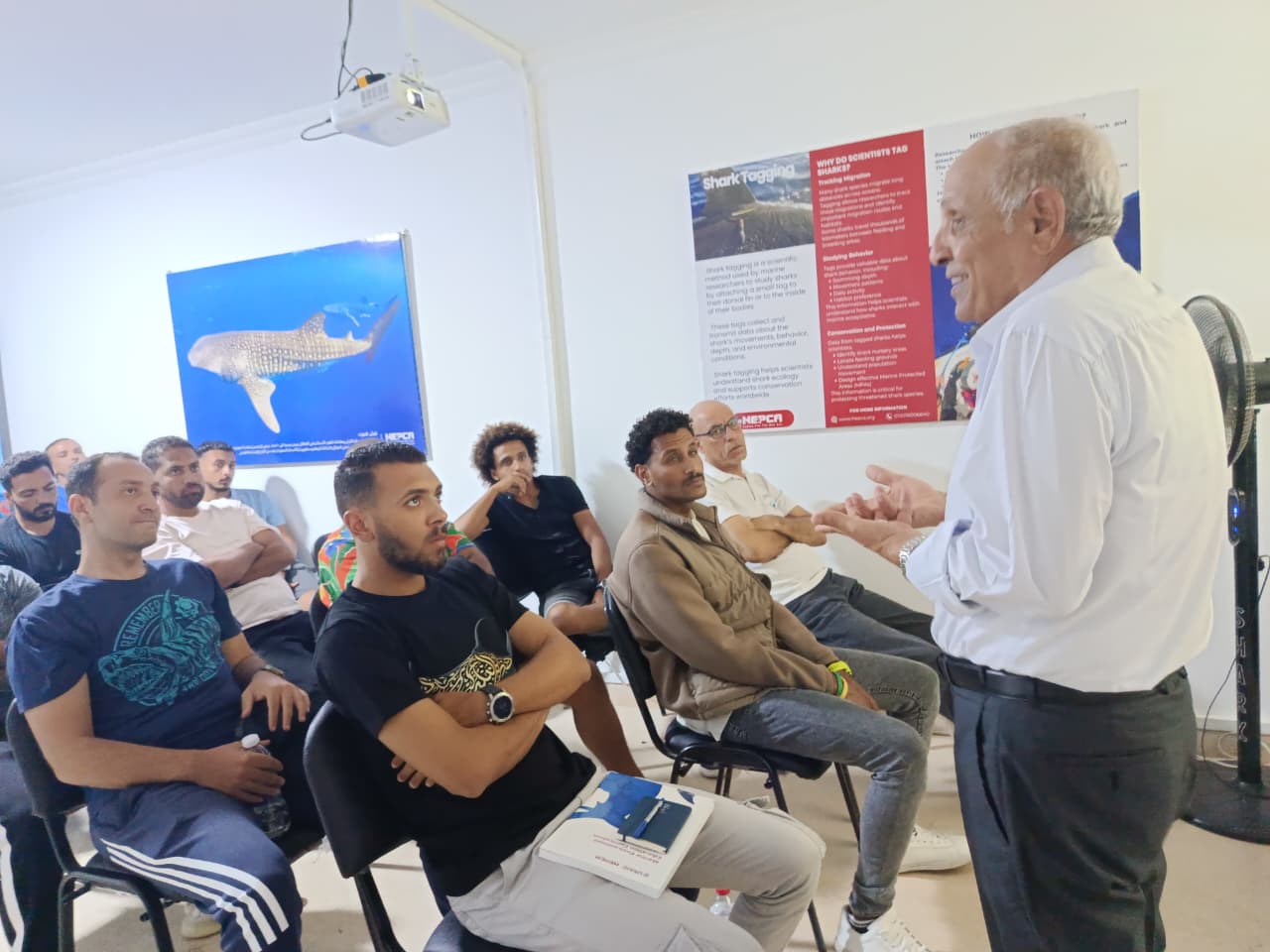
The campaign organizers insist that the protection of dolphins is a shared covenant between individuals and institutions. True change, they argue, is anchored in an awareness that preserves the Red Sea’s natural treasures for the zenith of future generations. Concurrent with this public outreach, HEPCA has implemented rigorous training programs in partnership with the Chamber of Diving and Watersports (CDWS). Led by Mahmoud Hanafy, Professor of Marine Biology at Suez Canal University, these sessions aim to instill a culture of environmental stewardship and responsible conduct within the diving community.
The curriculum delved into the scientific interiority of shark behavior and incident analysis, providing a nuanced introduction to Red Sea marine biology. It highlighted the profound challenges facing marine ecosystems and the strategic paths toward their preservation.
Participants engaged in practical simulations of ethical wildlife encounters, reinforcing a culture of safety and curbing the erratic behaviors that jeopardize ecological equilibrium or endanger divers. The program also featured specialized training on tourniquet protocols for shark-related emergencies, led by Mohamed Adel and a team of rapid-response experts, attended by a significant assembly of divers and safety specialists.
Establishing the Canon of Engagement
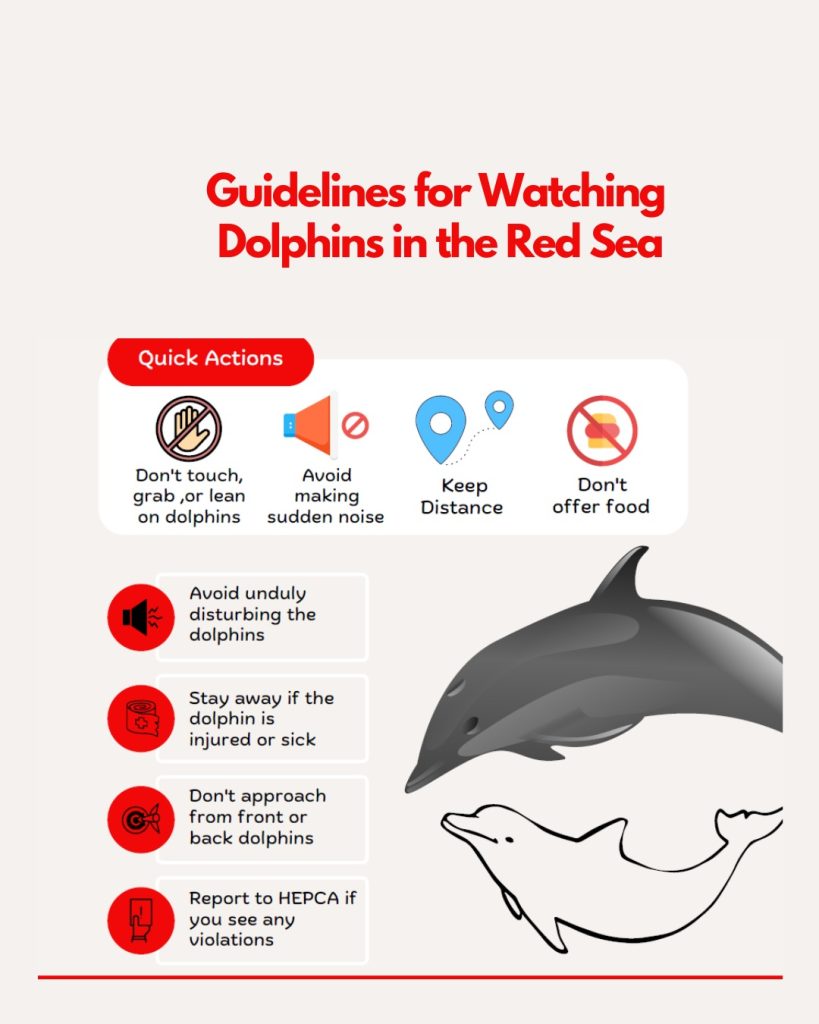
Through its digital platforms, HEPCA has broadcast a suite of ethical guidelines directed at tourists and the public. These directives outline the tenets of safe, responsible interaction within the dolphins’ natural domain, emphasizing that these creatures constitute a national wealth that demands absolute adherence to safety protocols.
Directives for the Helm: The Boat Captains’ Code
Mustafa Abdallah, Director of the Marine Sector at HEPCA, explained to Bab Masr that an unwavering commitment to ecological conduct is the cornerstone of dolphin conservation in the Red Sea.
He clarified that interaction must never alter the animals’ natural behavior. This requires a heightened sensitivity toward mothers and their calves, the avoidance of cacophonous noise, and a profound respect for designated “resting zones” such as El Fanous, Sha’ab El Erg, and Abu Minqar. Abdallah stressed the necessity of maintaining a sanctuary distance of at least 30 meters, approaching parallel to the dolphins’ path at speeds not exceeding 4 knots. Chasing, cornering, or tailing them into resting areas is strictly forbidden, and the use of shamandouras (mooring buoys) is mandatory to prevent the destructive casting of anchors. He further cautioned against shouting, whistling, or playing music, urging a quiet retreat if the dolphins exhibit signs of distress or agitation.
The Swimmer’s Covenant: Submerged Etiquette
Mustafa Abdallah further noted that guidelines for swimmers and divers prioritize the use of safety gear and a tranquil entry into the water. Divers are expected to swim alongside dolphins without excessive proximity or diving directly above them. Touching, feeding, or pursuing the animals is prohibited, as is the use of underwater scooters, the emission of loud noises, or the disposal of waste in their environment.
The Marine Director issued a stern warning regarding small speedboats, which pose a direct kinetic threat to both dolphins and swimmers. Beyond the risk of collision, the acoustic pollution from these vessels wreaks havoc on the dolphins’ sophisticated auditory systems, obstructing their communication and navigation.
He reiterated that touching or feeding dolphins is a grave error that invites health complications and the transmission of zoonotic diseases. Preserving the purity of the marine environment through waste management remains a non-negotiable moral duty.
Rectifying the Regulatory Void
Ayman Hassan Taher, a tourism expert specializing in ecotourism and scientific diving, argues that the harassment dolphins endure stems from the absence of a unified body to oversee daily excursion boats. This regulatory gap is exacerbated by a lack of specialized training among boat crews.
Taher pointed out a labyrinth of overlapping jurisdictions: the Ministries of Local Development and Environment manage natural protectorates, the Ministry of Transport issues boat licenses through the Maritime Inspection Authority, and the Ministry of Tourism and Antiquities oversees diving activities. This fragmentation leaves daily excursion boats without clear, centralized supervision. Consequently, an uncounted fleet of vessels operates without oversight, often leading to the haphazard pursuit of dolphins a practice that inflicts severe stress on these sensitive mammals.
He pointed to the legacy of the “Abu Salama” Association (the local moniker for the dolphin among Red Sea mariners), which conducted seminal studies on dolphins in the Samadai region during 2006 and 2007. Supported by an Italian grant and international experts, these studies deepened the understanding of dolphin sleep and feeding patterns, confirming their vulnerability to human interference.
Taher called for the formal declaration of specific zones as natural protectorates modeled after the Samadai management system. He urged for the regulation of visitor quotas, particularly at El Fanous Reef and Sha’ab El Erg off Gabel El Hareem in Hurghada.
The Call for a Unified Authority
Ayman Hassan Taher further advocated for the creation of an official entity to incorporate daily excursion boats into a regulated framework. This would facilitate the enactment of deterrent legislation, including the mandatory installation of tracking devices on all floating craft and the commissioning of studies to determine the carrying capacity of diving sites and islands.
He appealed to members of the House of Representatives for the Red Sea Governorate to intervene by drafting unified legislation and a cohesive action plan. This would vest a single authority with the responsibility of organizing maritime trips and environmental protection, ensuring the sustainability of ecotourism and the blue economy.
Community awareness and continuous professional training for maritime workers remain vital. He emphasized the need for stringent controls on food quality for tourists and safety protocols, alongside intensified campaigns to purge the sea of plastic waste, oils, and pollutants.
Samadai: The House of Dolphins
Mahmoud Hanafy, Scientific Advisor to HEPCA, told Bab Masr that the association has played a pivotal role in protecting dolphins, particularly in Samadai. This horseshoe-shaped coral lagoon serves as a tranquil sanctuary, shielded from the turbulence of the open sea.
Hanafy noted that since 2000, Samadai has seen a surge in tourism. Before regulations were implemented, visitor numbers peaked at 800 per day in 2003, leading to a visible decline in dolphin presence. In response, HEPCA successfully lobbied to declare it a protectorate, halting visits for three months to devise a management plan that balances tourism with conservation.
In January 2004, the lagoon was partitioned into three distinct zones: a sanctum reserved exclusively for dolphins, a corridor for snorkeling, and a peripheral area for mooring and diving. Visits are now capped at 125 individuals per activity per day to ensure the dolphins have sufficient periods of repose.
Hanafy confirmed that these measures increased the daily average of Spinner dolphins from 32 to 78. Economically, each dolphin is valued at approximately 91,000 USD annually, supporting roughly 16 jobs. The Samadai experience stands as a triumph of sustainable resource management a legacy HEPCA seeks to uphold for future generations.
Protectorates and the Future of Tourism
Ahmed Ghalab, Director of the Natural Protectorates Sector, stated that the Red Sea’s protected areas are the vital bedrock of biodiversity and sustainable management.
He highlighted the governorate’s wealth, from pristine coral gardens to the vibrant schools of fish that draw global travelers. These assets are protected within major reserves like the Northern Islands, Wadi El Gemal, and Shalateen’s Gebel Elba, as well as the Great Fringing Reef one of the most recently designated protectorates. Dr. Maher Rashwan, head of the Environmental Affairs Agency branch, affirmed the agency’s commitment to deploying all technical resources to enforce environmental decrees.
He emphasized that activating the Ministry of Environment’s sustainability decisions is not merely an option, but a national responsibility. Key initiatives include shark monitoring systems and the upgrading of marinas and jetties to manage boat waste, ensuring that the crystalline waters of the Red Sea remain untainted for the creatures that call them home.