
The Silent Sentinels of the Shore: How the Red Sea’s Mangroves Defend the Coast and Cradle Life
Egypt’s resilient mangrove forests act as silent sentinels along the Red Sea, sequestering blue carbon, fostering vibrant marine biodiversity, and shielding coastlines from the encroaching tides of climate change through innovative community-led restoration and sustainable ecotourism.
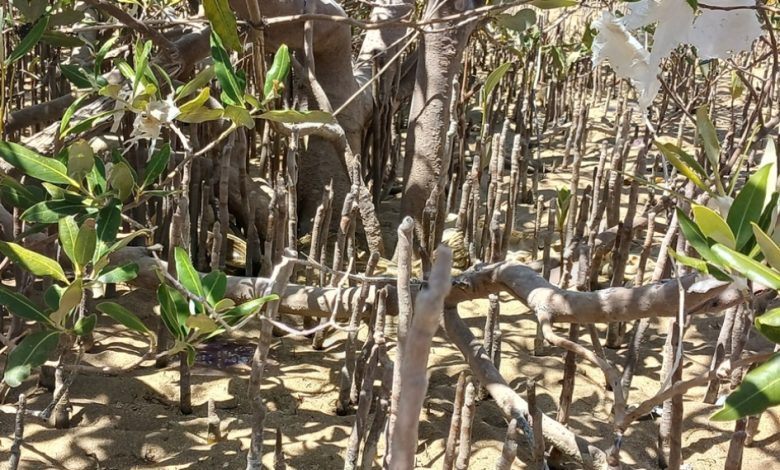
You might pass the mangroves scattered along the Red Sea coast with a fleeting glance, never realizing you stand before one of the most vital natural ramparts of the coastal ecosystem. These trees, with their intricate, gnarled roots, represent far more than mere vegetation; they form a living shield, fortifying the shoreline and breathing life into a vast array of terrestrial and marine creatures.
Beneath these dense roots, a vibrant interiority flourishes, cradling small organisms and offering them a sanctuary a pristine nursery for growth and reproduction. Simultaneously, these roots act as organic levees, anchoring the soil and tempering coastal erosion, thereby forging a seamless link between the terrestrial world and the water.
Touristic Expansion and the Mangrove’s Plight
Adel Abdullah Suleiman, an expert in environmental management and biodiversity and CEO of the “Environment Without Borders” Association, tells Bab Misr that Egypt’s mangrove forests are unique ecosystems gracing the shores of the Red Sea and the Gulf of Aqaba. They play a pivotal role in coastal protection, biodiversity enhancement, and carbon sequestration, particularly as global interest in the “Blue Economy” reaches its zenith.
Suleiman observes that touristic expansion exerts a palpable pressure on the mangrove environment, especially in sensitive coastal zones. Unplanned development can lead to the excision of green cover or the alteration of soil and water chemistry. He asserts that sound environmental planning and the application of sustainability standards can transform tourism from a looming threat into a golden opportunity for preserving these ecosystems.
Encroachments and the Axe
Regarding illegal felling and encroachment, Suleiman notes that field studies indicate limited violations in certain areas such as overgrazing or the harvesting of timber yet these remain modest in Egypt compared to other nations.
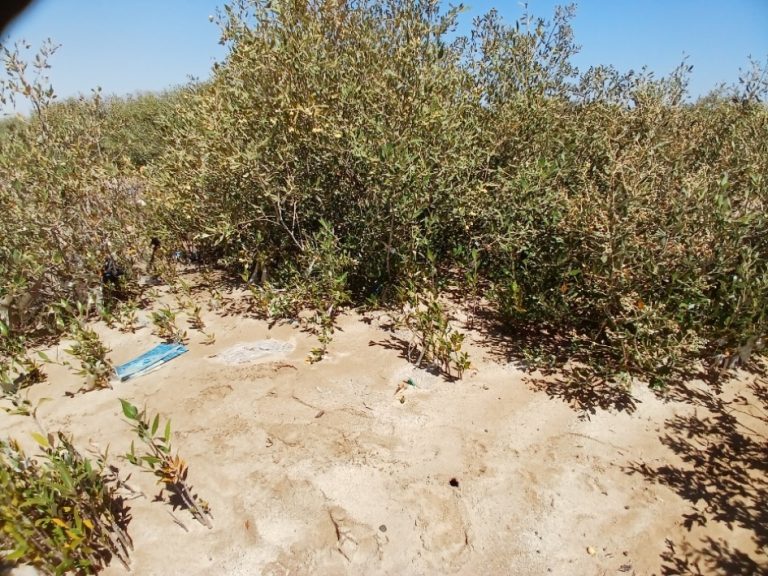
He believes the gravest threats facing the mangrove are marine pollution, specifically plastic waste and oil spills, which degrade water and soil quality and stifle the growth of saplings. Furthermore, these trees are directly susceptible to climate change; rising sea levels threaten to submerge certain groves. However, mangroves possess a natural resilience, adapting through sediment accumulation, provided no human-made barriers obstruct their organic expansion.
Protection and Restoration Efforts
The Egyptian government, in concert with civil society organizations like “Environment Without Borders,” is intensifying efforts to safeguard the mangroves. These initiatives include designating mangrove territories as natural protectorates, executing rehabilitation projects, and integrating them into climate adaptation strategies alongside new planting campaigns.
Suleiman adds that his association is spearheading a massive cultivation project in the Red Sea and South Sinai to bolster “Blue Carbon” stocks and enrich biodiversity. The health of these forests is tracked through environmental monitoring programs utilizing field surveys and remote sensing to ensure early intervention at the first sign of degradation. Local communities play a foundational role, participating in planting drives and supporting ecotourism their involvement is the hallowed key to any successful conservation effort.
Environmental Awareness Campaigns
Suleiman calls for a surge in awareness campaigns, particularly among fishermen and the youth, to foster a deeper understanding of the mangrove as both a natural barrier and a sustainable livelihood. He envisions their integration into ecotourism through the construction of wooden boardwalks, educational excursions, and bird-watching activities.
He also emphasizes the necessity of enforcing rigorous coastal protection laws, strengthening partnerships between the state and civil society, and expanding nature-based solutions. Mangroves, he suggests, can become a source of revenue through sustainable fishing, aquaculture, and blue carbon programs.
Ecological Equilibrium and Environmental Factors
Dr. Mohamed Ramadan Abdullah Al-Atmani, a lecturer in polymer chemistry at Qena University, tells Bab Misr: “Before addressing ecological balance, one must illuminate the components of the ecosystem. Any system comprises a tapestry of life higher plants and animals alongside microorganisms like bacteria and fungi all tethered to a habitat they depend upon for survival.”
He continues: “An ecosystem is bifurcated into two main spheres: the abiotic, represented by climate and soil, and the biotic, which encompasses living beings arranged by their nutritional value in what we call the food pyramid.”
Al-Atmani explains that organisms are tiered based on their ability to convert environmental elements into energy. Plants, the “producers,” occupy the pyramid’s base, followed by herbivores (primary consumers), then carnivores (secondary consumers), with decomposers at the apex. The environment dictates the system: rainy regions support forests, while arid lands foster grasslands. Aquatic systems, both fresh and marine, rely on their own specific flora and decomposers.
Dr. Al-Atmani confirms that the mangrove system is among Egypt’s most critical marine ecosystems. Nestled in the warm coastal stretches of the Red Sea, it anchors ecological balance by preventing erosion and sequestering carbon dioxide in the soil at rates far surpassing many terrestrial forests.
The Significance of the Red Sea Ecosystem
Dr. Mohamed Kamil Mohamed, Professor of Plant Ecology at Qena University, tells Bab Misr that the Red Sea is an integrated ecosystem. While marine algae and plankton produce between 50% and 70% of atmospheric oxygen, mangroves augment this role by trapping carbon and refining water quality.
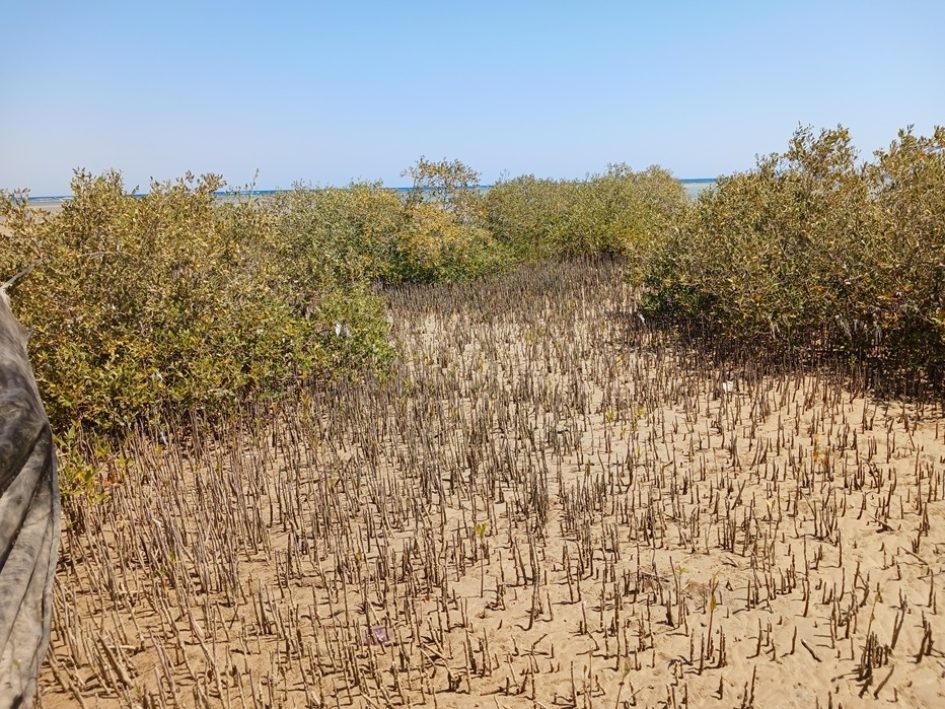
The health of the mangrove serves as a barometer for marine pollution. Its pneumatophores (respiratory roots) shield the soil from drifting and provide a safe cradle for fish and crustaceans to spawn, thereby amplifying the productivity of this vital transition zone between land and sea.
Threats and Consequences
Dr. Kamil warns that the degradation of the mangrove could trigger a collapse of the food chain, as it is one of its primary pillars. Urban sprawl, sewage, oil, and plastic pollution, alongside overgrazing, contribute to the receding green tide of these forests. Future risks, such as rising sea levels, threaten to drown the respiratory roots, hampering their vital biological functions.
Economic Value and Cultivation
Beyond ecology, the mangrove is a vital food source and its wood is utilized in construction and fuel. It even possesses medicinal applications, such as the extraction of tannin.
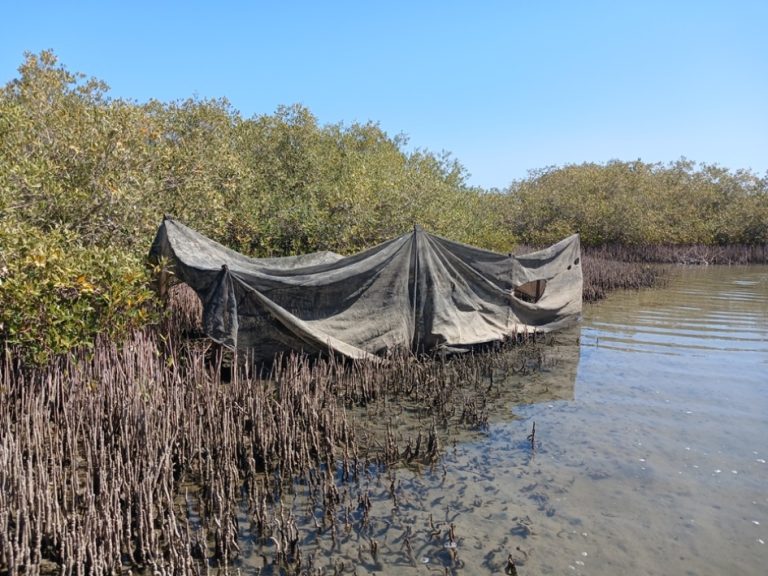
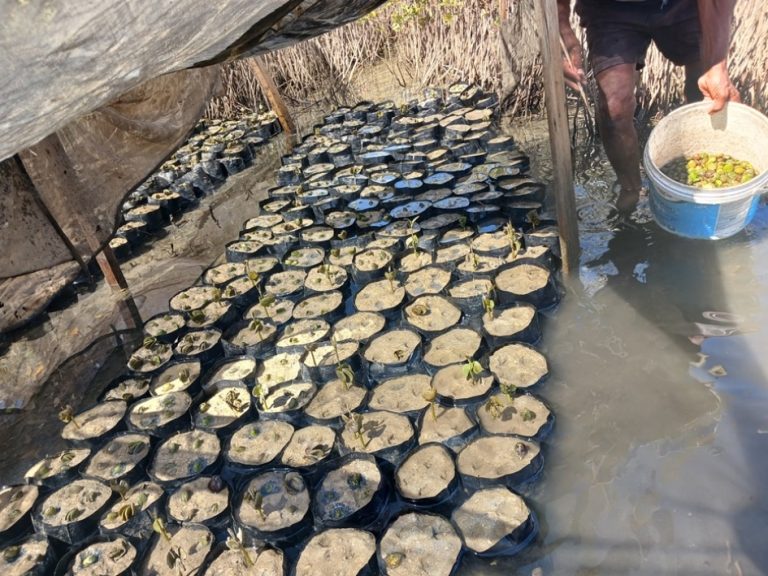
Cultivation involves germinating seeds in nurseries ideally collected between August and October before transplanting them into suitable habitats. To ensure longevity, awareness must be paired with pollution control and the expansion of protected areas.
The Art of Cultivation
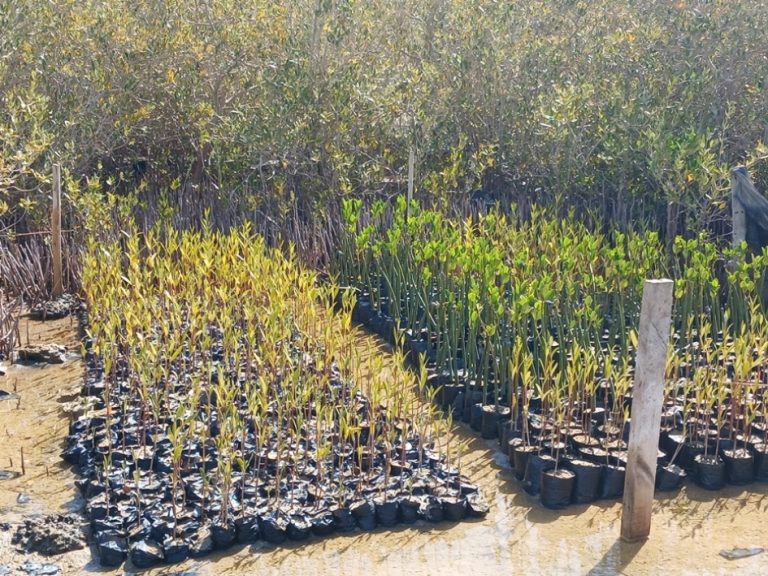
Rajab Al-Sanusi, supervisor of the mangrove cultivation project in Safaga and Hamata, explains that Egypt’s mangroves tell a moving story. Although only two species thrive here the Shura (Avicennia marina), known for its hardiness against extreme salinity, and the Qandal (Rhizophora mucronata), which grows taller in specific stretches they define the boundary where life meets the tide.
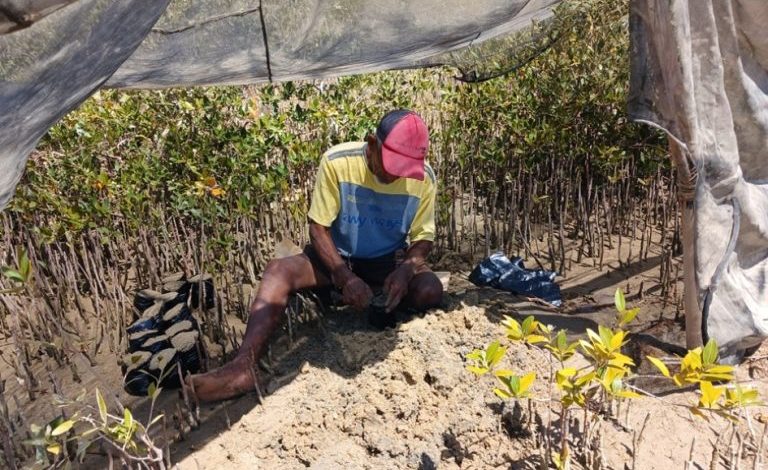
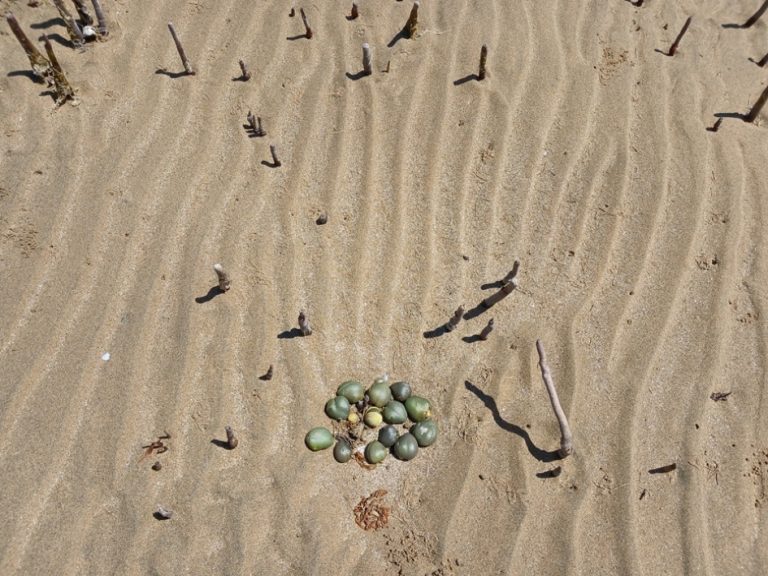
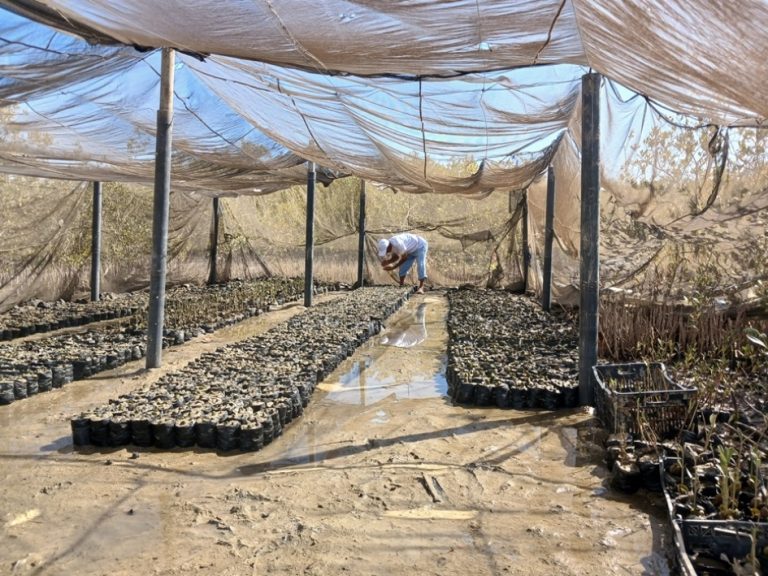
Al-Sanusi recounts the journey of cultivation: seeds are gathered from the heart of nature in March and April, soaked in a humid environment, and then moved to carefully prepared nurseries in Safaga, Hamata, Shalatine, and the Nabq Protectorate. After the initial growth in controlled environments, the saplings are moved to larger vessels with sandy soil and nourished with seawater to prepare them for the shore. They are planted with precision in intertidal zones where the water reaches them with the natural rhythm of the pulse of life.
The project workers protect the saplings from camels, which graze on them due to the scarcity of rain in the south, and clear the surroundings of pollutants. Al-Sanusi stresses that these trees are a natural defense against climate change, offering a unique touristic dimension that blends the charm of nature with the spirit of adventure.
Expanding the Green Shield
Dr. Sayed Khalifa, head of the Agricultural Syndicate, tells Bab Misr that the state is expanding mangrove cultivation to support ecotourism. Nurseries in Safaga, Hamata, Shalatine, and Nabq aim to produce 300,000 saplings to cover a target area of 500 acres.
He notes that studies confirm the ability of mangrove forests to store carbon at rates three to four times higher than tropical forests, even as these forests face a 1% global annual decline.
Mangrove Honey
Dr. Khalifa highlights a pioneering project: producing high-quality honey within the mangrove environment. This initiative provides sustainable jobs for local communities while safeguarding the coast.
Mangrove forests offer an idyllic environment for beekeeping, yielding valuable products like pollen and royal jelly. This “Mangrove Honey” is one of the most prominent fruits of environmental rehabilitation, boasting high nutritional value and competitive prices on the international market, all while the trees stand firm against the rising tides.