The Pastry of Joy and the Warding of Shadows: A Journey Through Sham Ennessim’s Ancient Rites
From the ritual “crushing of the onion” to the sun-drenched alchemy of Kishk, explore how the villages of Upper Egypt preserve the visceral, 4,000-year-old heartbeat of Sham Ennessim. A deep dive into the sacred culinary traditions and Pharaonic echoes that define the Egyptian spring.
By: Asmaa Montaser, Jasmine Mohany, and Amany Khairy
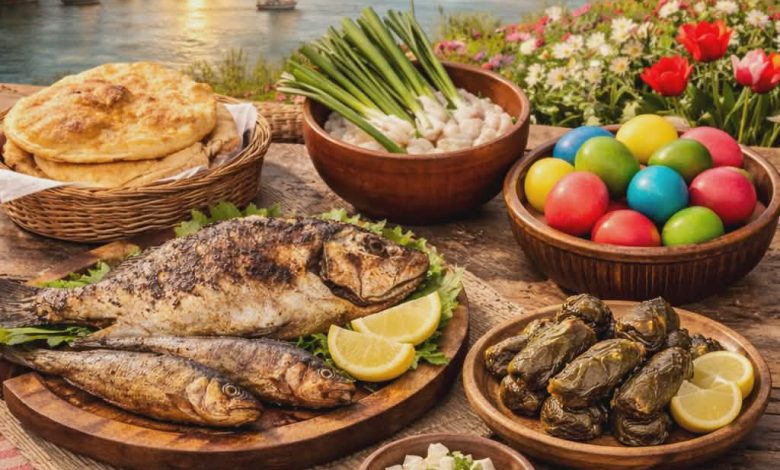
In the heart of Sham Ennessim (the traditional Egyptian spring festival), rituals stretching from the depths of antiquity are renewed, blending the textures of folk heritage with culinary customs and symbolic legacies. In Upper Egypt, tables are dominated by platters of Feteer Meshaltet (layered flaky pastry) and Kishk (dried fermented wheat and yogurt), as homes reclaim an atmosphere of kinship and jubilation. Meanwhile, folk rites such as “crushing the onion” endure as part of a rural memory tethered to ancient beliefs. Across the span of Pharaonic roots, the celebration of spring has remained steadfast, anchored by the partaking of Fesikh (fermented salted gray mullet), eggs, and verdant vegetables ensuring Sham Ennessim remains a feast that bridges the ancient with the contemporary.
Feteer Meshaltet: Sovereign of the Table
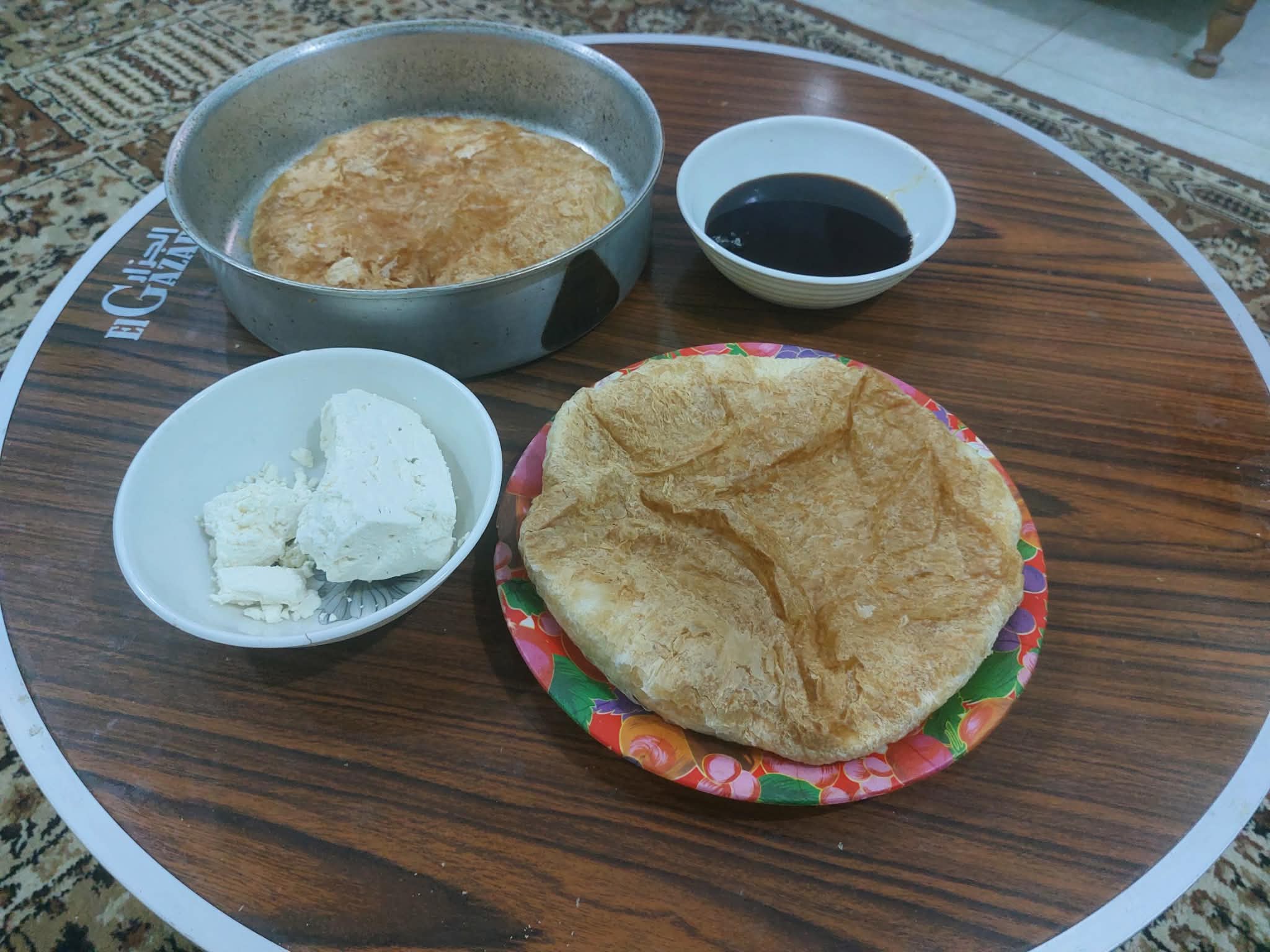
In the Minia Governorate, matriarchs vie in the preparation of Feteer, transforming this ritual into a vibrant tableau of heritage. Amidst a gathering of women preparing the domestic dough for the feast, we met a group of ladies who summoned memories of a “golden age,” recounting the lore and secrets of Feteer Meshaltet passed down through generations. Hajja Amal Kamal, a retiree from Abu Qurqas, explains that Feteer Meshaltet is an essential rite of passage for Sham Ennessim and rural festivities, regarded as the sovereign of the spring table, rivaling even Renga (smoked herring) and Fesikh. The tray of Feteer takes pride of place alongside eggs, Gibna Qadima (aged salty cheese), Mish (fermented dairy dip), honey, arugula, lettuce, and green onions. She adds that the day of preparation is a family affair; women gather around the Tabliya (a low, round wooden dining table) to stretch the layers of dough. It is then baked in a traditional clay oven over a gentle flame, or a gas oven depending on what is available. As it emerges, it is anointed with Samen (clarified butter) and Qishta (clotted cream).
Um Kirollos, a homemaker from Abu Qurqas, affirms that Feteer Meshaltet has been inextricably linked to Sham Ennessim since time immemorial. Its scent permeates homes on the eve of the feast, and many women insist on distributing portions to their neighbors. During the baking, children cluster around the oven in a jubilant haze, waiting to break the soft pastry on the morning of the feast alongside fried eggs.
She notes that Feteer is not confined to holidays; it is a pillar of wedding rituals. Upper Egyptian families still send a tray of Feteer alongside sweets as a gift for the bride on her Sabahiya (the morning after the wedding) a cherished tradition that remains present in both village and city.
From the “Pastry of Joy” to Modern Medleys
Hajja Tawfiqiya Ali, from the village of Bani Said, explains that Feteer Meshaltet was known in antiquity as the “Pastry of Joy.” Its creation involves several stages, beginning with the kneading and the crucial “resting” of the dough. Then comes the stretching, which she describes as the most beautiful moment of the process, as a mere lump of dough is transformed into a vast, translucent sheet.
She adds that the pastry has evolved from its traditional plain form into various stuffed iterations filled with minced meat, cheese and olives, or Mish and aged cheese becoming more diverse in palate and profile.
Regarding the secrets of success, she emphasizes that Samen Baladi (local clarified butter) is the “secret of the craft” and the source of its authentic soul, alongside the patience required for the dough to rest. Then comes the stage of Tawriq (layering), which grants the Feteer its distinctive architecture, followed by baking in an intensely hot oven. The result is a pastry supple on the interior and crisp on the outer crust, served with aged cheese, Mish, or honey.
Upper Egyptian Kishk: Sultan of the Feast
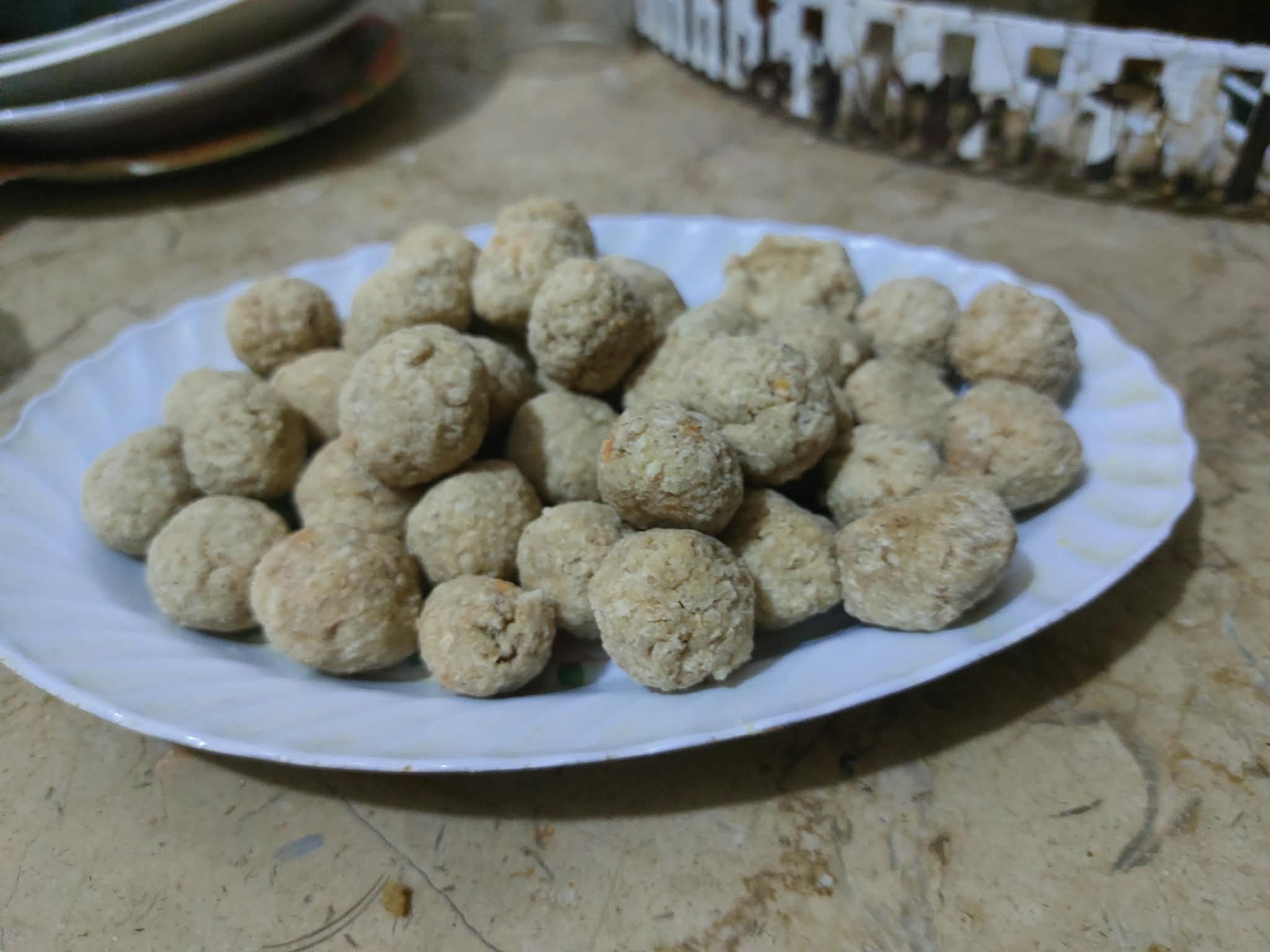
The tables of Upper Egypt are never complete without Kishk Sa’idi (Upper Egyptian fermented wheat balls), the undisputed sultan of the spread and the king of family gatherings. Its preparation is synchronized with the season of spring.
The alchemy of Kishk begins by rubbing wheat and mixing it with sour milk. It is then shaped into small spheres and dried on rooftops under the relentless sun. Once hardened, the Kishk is simmered in a rich broth whether meat or duck to absorb the depth of the flavors. Finally, a Taqliya (a sautéed garnish) of tomatoes and caramelized onions is folded in.
In days past, it was served in large clay Tajines (earthenware pots) sufficient for the entire extended family, eaten with Aish Shamsi (traditional sourdough “sun bread”). To this day, it maintains its status as an authentic heritage dish in the villages of Minia.
Assiut: Rituals That Refuse to Fade
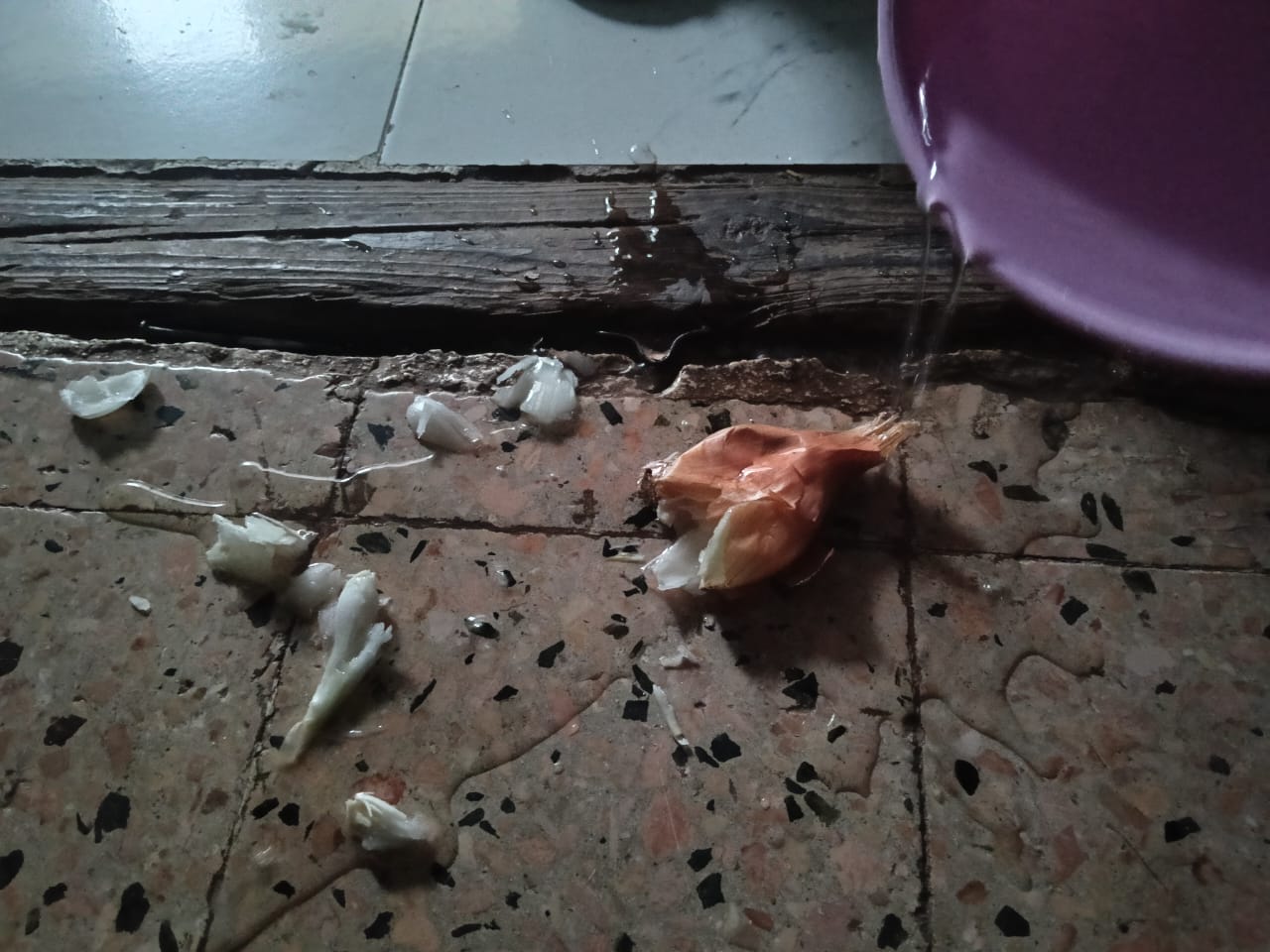
In the Assiut Governorate, Sham Ennessim celebrations are not restricted to salted fish or excursions to public gardens; they extend to inherited folk rituals, most notably “crushing the onion” at the threshold of the home.
Samira Al-Sayed, a woman in her fifties, says she has been accustomed since childhood to waking at dawn on Sham Ennessim to crush an onion at the door. She then sprinkles water over it, a custom she inherited from her mother and grandmother, and one she is keen to instill in her children. She adds that this is no mere trifle; it is a fragment of heritage. It is believed that its roots reach back to the Pharaonic era, where the onion was utilized to repel envy and malevolent spirits through its pungent aroma.
Samira recalls the memories of the past, when children participated in this rite amidst an atmosphere of joy, roaming the streets to check on their neighbors in a scene reflecting the spirit of communal harmony. She says: “We used to wander between houses to see who was doing the same. There was a sense that we were sharing the same soul Muslims and Christians alike and joy filled the houses and alleys. It is perhaps less common now, but it still exists, and we strive to preserve it.”
She adds: “The onion has a potent scent, and they used to say it makes evil flee. Perhaps people today don’t believe such things, but we are accustomed to it, we love it, and we do it.”
Crushing the Onion at Sunrise
Hussein Mahmoud, 60, from the Sadfa district in Assiut, explains that the “crushing of the onion” was traditionally performed at sunrise. Whether struck against the doors or hung upon them, it was done in the belief that it invited blessing and protected the household throughout the year, noting the custom’s link to ancient Egyptian tenets.
He continues, observing that despite social shifts and the acceleration of modern life, this habit remains present in some homes, even if the new generation no longer grasps its ancient dimensions with the same depth. He adds: “Even if the world changes, there are things we cling to, so they may remind us who we are and where we came from.”
He asserts that crushing the onion on the doors, despite its simplicity, remains a rite of particular significance. It is not merely the sound of a strike on wood, but an invocation of a memory stretching through history and civilization, renewed with every spring.
Fortifying Social Bonds
Shaimaa Mohammed, a 35-year-old teacher, points out that these folk customs, simple as they may be, play a vital role in reinforcing social cohesion and preserving cultural identity. She says: “These practices create a sense of continuity between generations, giving children the feeling that they are part of an extended history, not severed from it.”
She adds that the practice itself, even if faith in its supernatural explanation has waned, has become a symbol of belonging and a vessel for reviving collective memory, especially during occasions tied to the celebration of life and nature.
Samira Al-Sayed also recounts the tale of the Shammama (The Smeller), a folk legend passed down through the ages. She says a creature by this name visits homes on the eve of Sham Ennessim to surprise those sleeping, which would prompt families to prepare new clothes for the children and ready the house in an atmosphere of giddy anticipation.
Pharaonic Roots of the Feast
For thousands of years, Egyptians have celebrated the feast of Shemu (the season of harvest), known today as Sham Ennessim. Its rituals remain present eating salted fish, eggs, and vegetables like lettuce and onions on the banks of the Nile and in public parks a celebration reflecting the Egyptian bond with nature.
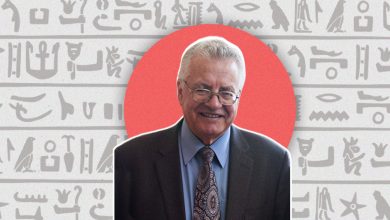
Al-Tayeb Gharib, an archaeological researcher and former Director General of the Karnak Temples, says the ancient Egyptian celebrated Shemu, which referred to a season in the agricultural cycle. The celebration coincided with the start of spring as a herald of temperate weather. He adds that ancient Egyptians practiced rituals that persist today, such as adorning themselves with flowers like the lotus and lily, and fashioning crowns and necklaces from them.
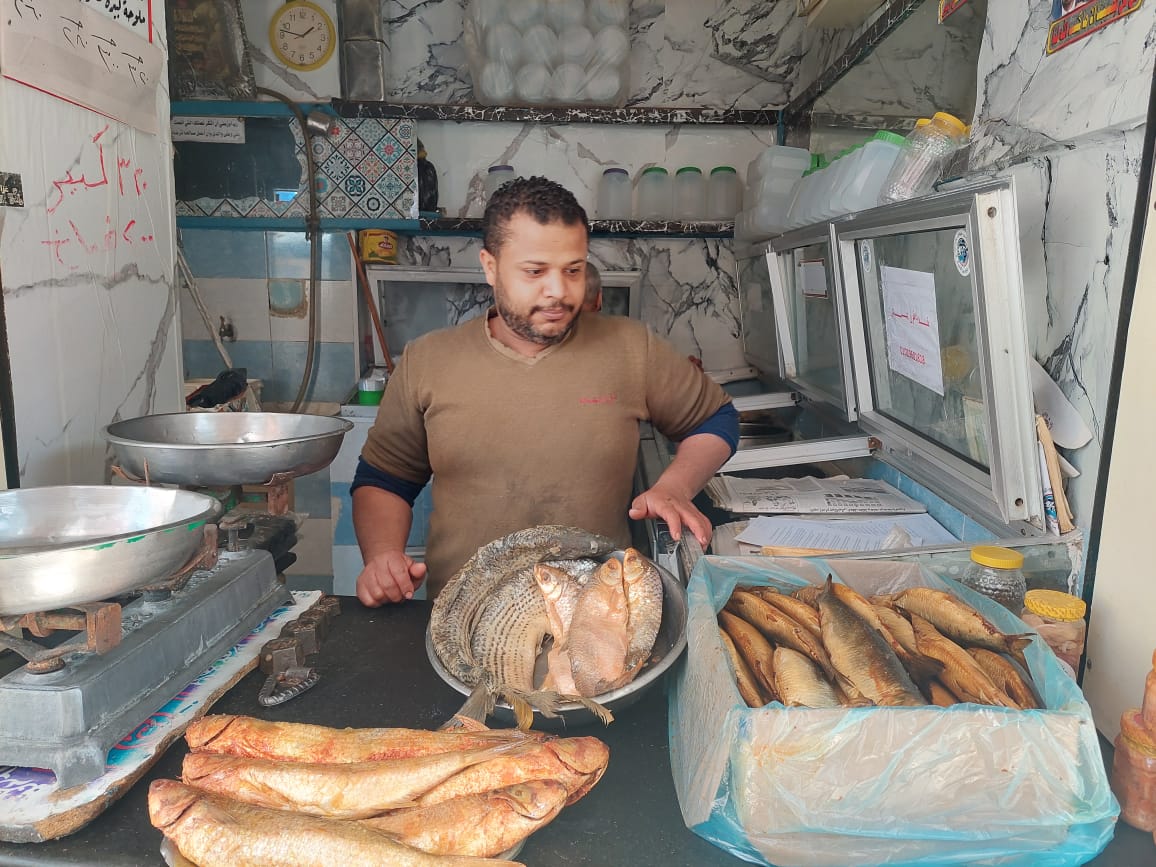
Papyri Confirm the Virtues of Salted Fish
The former Director General of Karnak Temples explains that certain ancient Egyptian papyri revealed recipes for salted fish, alongside references to its benefits in treating seasonal ailments. Furthermore, inscriptions on temple walls and tombs reflected rich scenes of natural life in ancient Egypt, including orchards, verdant fields, lakes, and lotus flowers. They also depicted scenes of fishing and fowling in the embrace of nature.
He points out that these scenes also documented the composition of the ancient Egyptian table, which featured bread, fish, meat, and poultry, alongside vegetables like lettuce, garlic, onions, and cucumbers, and fruits such as pomegranates, grapes, and pears. These foods were also presented as offerings to the gods during religious festivities.
Celebration on the Banks of the Nile
Salah Al-Masekh, General Supervisor of the Karnak Temple Antiquities, affirms that the ancient Egyptian celebrated Sham Ennessim with immense gravity. It began with preparations of tools, foods, and songs. At night, they turned to prayer and well-wishing, then rose early before the sun crested the horizon, believing that whoever missed the sun’s arrival would be afflicted by lethargy and misfortune for the remainder of the year.
He adds that the celebration commenced with people venturing in groups to gardens and fields to welcome the sun until its setting, carrying toys and musical instruments. Girls adorned themselves with jasmine necklaces, while children carried palm fronds decorated with colors and blossoms.
Festivities were held to the melodies of the flute, the oboe, the harp, and the rhythmic beat of the tambourine, accompanied by dancing and singing along the Nile. Athletic competitions and theatrical performances were organized, and boats were festooned with flowers and fruiting branches laden with messages of greeting and congratulation.
The Table of the Ancients
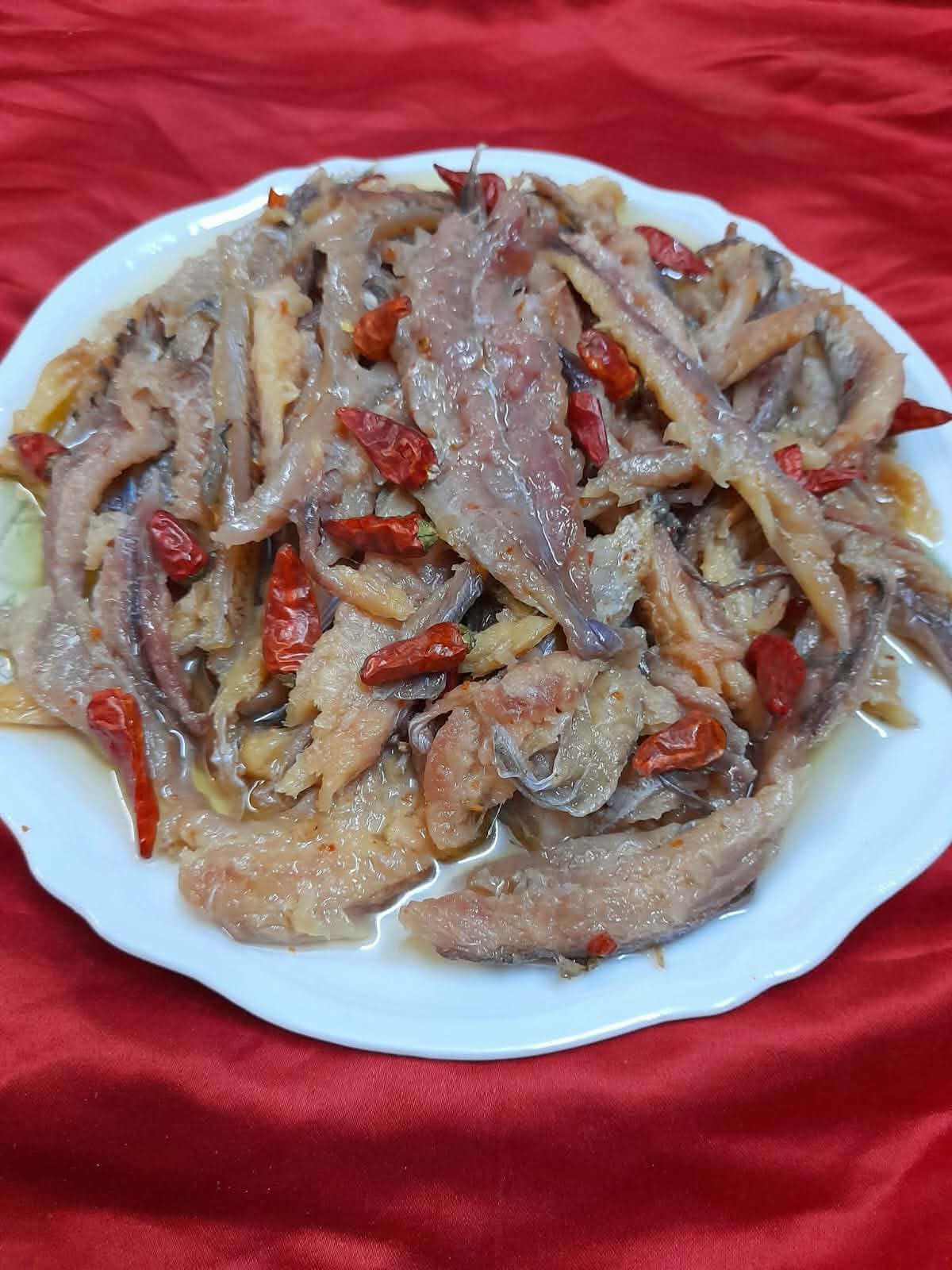
Al-Masekh adds that the ancient Egyptian dedicated a specific table to this day, considered an essential pillar of the ritual. It included five primary foods: eggs, Fesikh, green onions, lettuce, and chickpeas. Eggs were linked to the concept of the restoration of life and a symbol of divine care for humanity.
As for Fesikh, the Egyptian mastered it alongside his discovery of the Nile, which he sanctified. They understood the life cycle of fish and prohibited fishing for three months when the Nile receded to allow the aquatic wealth to flourish. The Greek historian Herodotus noted the Egyptians’ prowess in salting fish and the craft of Fesikh, noting their preference for a species known as Bur, which later became known as Bouri (mullet).
The Ebers Medical Papyrus also contains a description of salted fish as a means of prevention and treatment for certain seasonal fevers and sunstroke.
Dr. Bahaa Abdel Jaber, Director General of West Bank Antiquities, points out that fish was among the most vital foods since ancient times and continued its presence into early Christian history. Some of the disciples were fishermen, and the fish became a symbol of recognition among Christians and a secret sign during periods of Roman persecution.
The Sanctification of the Onion and its Use in Mummification
Abdel Jaber adds that the ancient Egyptian accorded the onion a special status, believing it symbolized eternal life. Hieroglyphic inscriptions indicate its sanctification, though it did not appear on offering tables until the Fifth Dynasty.
It was known in antiquity as Bedjer or Besar, and over time, through linguistic shifts, the name evolved into its current form. Its use in Sham Ennessim rituals began in the mid-Sixth Dynasty, and it entered the pharmacopeia for treating various diseases.
He asserts that the ancient Egyptians placed onions inside tombs with the deceased, believing they would accompany their souls into the afterlife. They were also used in mummification, placed in various parts of the body such as the pelvis, chest, ears, and feet. Its likeness was frequently painted on the walls of tombs.
He concludes by noting that lettuce also held a sacred rank; known since the Fourth Dynasty as Ab, it was considered a holy plant and appeared in inscriptions at the feet of the god Amun-Min, the deity of fertility.