Resisting Renewal: The Contested Transformation of Zamalek’s Historic El-Zohreya Garden
Zamalek residents protest the commercial redevelopment of Cairo’s historic El-Zohreya Garden into a modern entertainment hub.
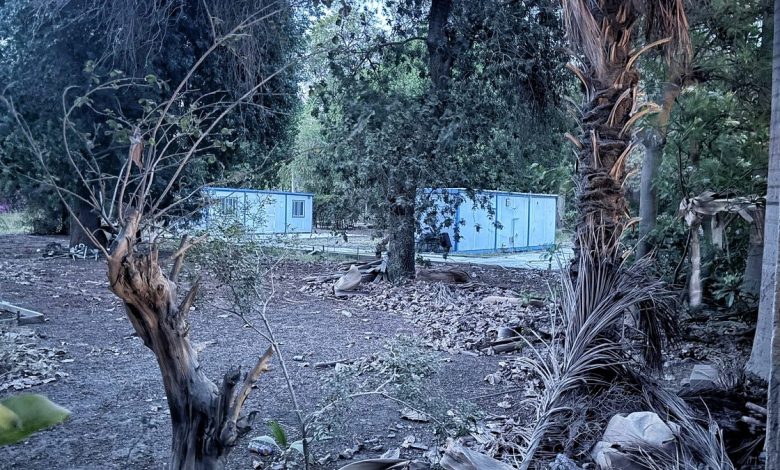
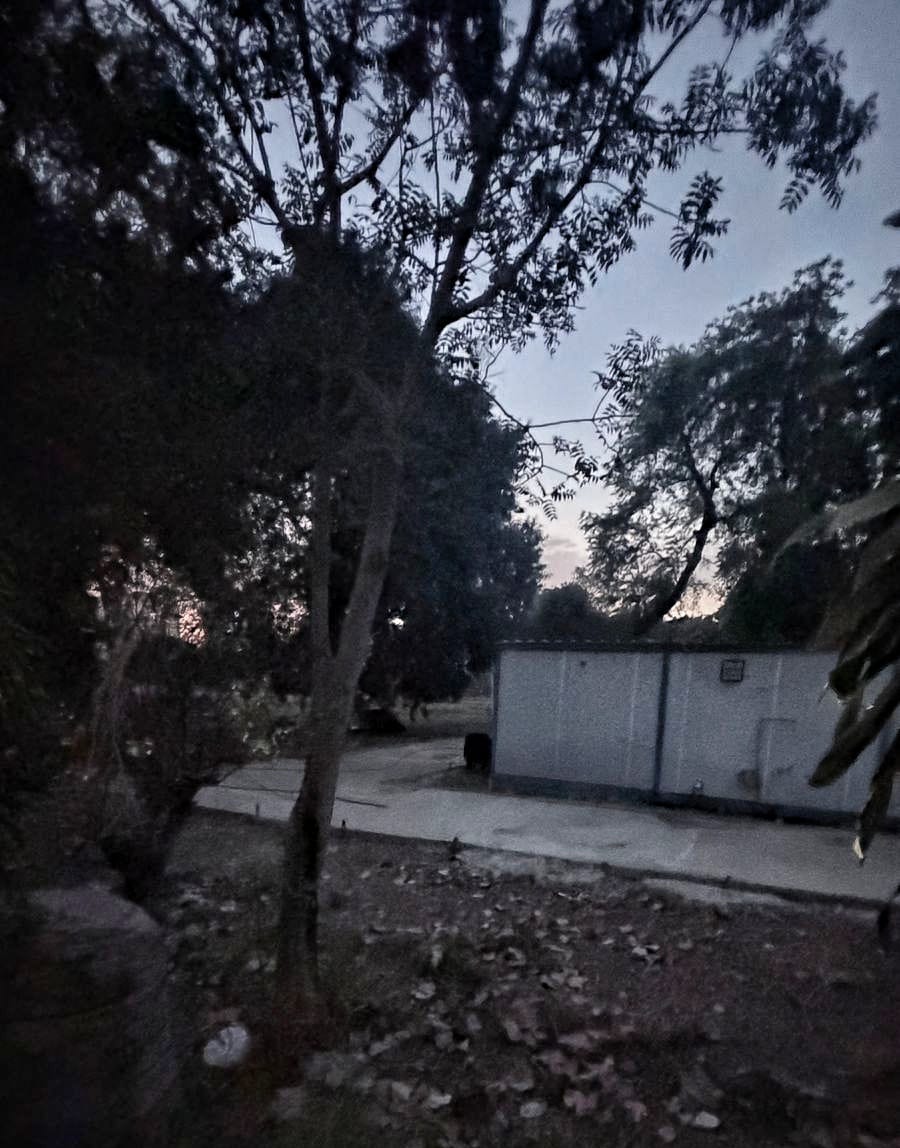
Sources close to the matter confirm to Bab Masr that redevelopment works have officially commenced within Zamalek’s hallowed El-Zohreya Garden. Over the past few days, the executing company began marking off sections of the enclosed sanctuary. In the quiet dawn hours yesterday, a fleet of construction caravans breached the grounds, signaling the imminent, successive arrival of heavy machinery in the coming days.
According to the source, the decision to overhaul the garden moved forward in complete disregard of the neighborhood residents, who had repeatedly demanded to review the development blueprints, only to be met with stark silence. The community insists on adhering to the strict regulations of the National Organization for Urban Harmony within the historic Zamalek district. These mandates dictate that new constructions must not exceed 2% of the garden’s total area. Residents fear a repetition of the recent overhaul at the historic Obelisk Garden, which visibly cannibalized the neighborhood’s green spaces, shifting the landscape toward commercial hubs dominated by restaurants and cafes.
A Manufactured Playground
According to an initial project proposal for El-Zohreya Garden reviewed by Bab Masr, the new design leans heavily into hyper-modern interventions. This approach creates a glaring friction between heritage preservation and commercial entertainment, prioritizing a manufactured recreational experience over the sanctuary’s historical essence.
The blueprints reveal an ambition to transform the garden, through a series of visual tricks and design illusions, into a simulated jungle rather than rehabilitating it in harmony with its historical pedigree—a trajectory that threatens to erase its cultural identity entirely. To attract nocturnal crowds, the plans feature a winding walkway system equipped with elaborate lighting installations and sensory special effects to cast a nighttime ambiance across the grounds, alongside integrated dining services.
Conversely, this concept of activating the garden at night demands a high degree of physical intervention that fundamentally alters the nature of this serene heritage site. The proposal betrays an aggressive commercialization of a historically tranquil space, threatening to dissolve the garden’s reflective quietude into a noisy, bustling hub of commercial enterprise.
For the dining and retail structures, developers envision a jungle-like labyrinth designed to evoke a sense of raw exploration for visitors. The shops will feature undulating paths wrapped in deep, tropical greens and earthy browns, punctuated by vivid splashes of yellow, red, and orange to mimic the vibrant bloom of wild rainforest flora.
Commercial Activation
The preliminary design seeks to capture a broad demographic of visitors across all age groups, aiming to create an immersive, all-encompassing experience that prolongs visits and, consequently, maximizes revenue. The blueprint allocates dedicated spaces for pizzerias, grills, and sweet shops, alongside specialized kiosks for tea, healthy food, and light snacks.
The transformation also introduces dedicated musical venues and souvenir boutiques, alongside wellness and relaxation zones offering yoga classes, massage therapies, and physical fitness activities. Children’s sections will feature storytelling pavilions, interactive performance spaces, and playgrounds, complemented by various educational and recreational activities. Most notably, the project includes the construction of a boutique hotel nestled directly within the garden’s perimeter.
The Genesis of a Botanical Sanctuary
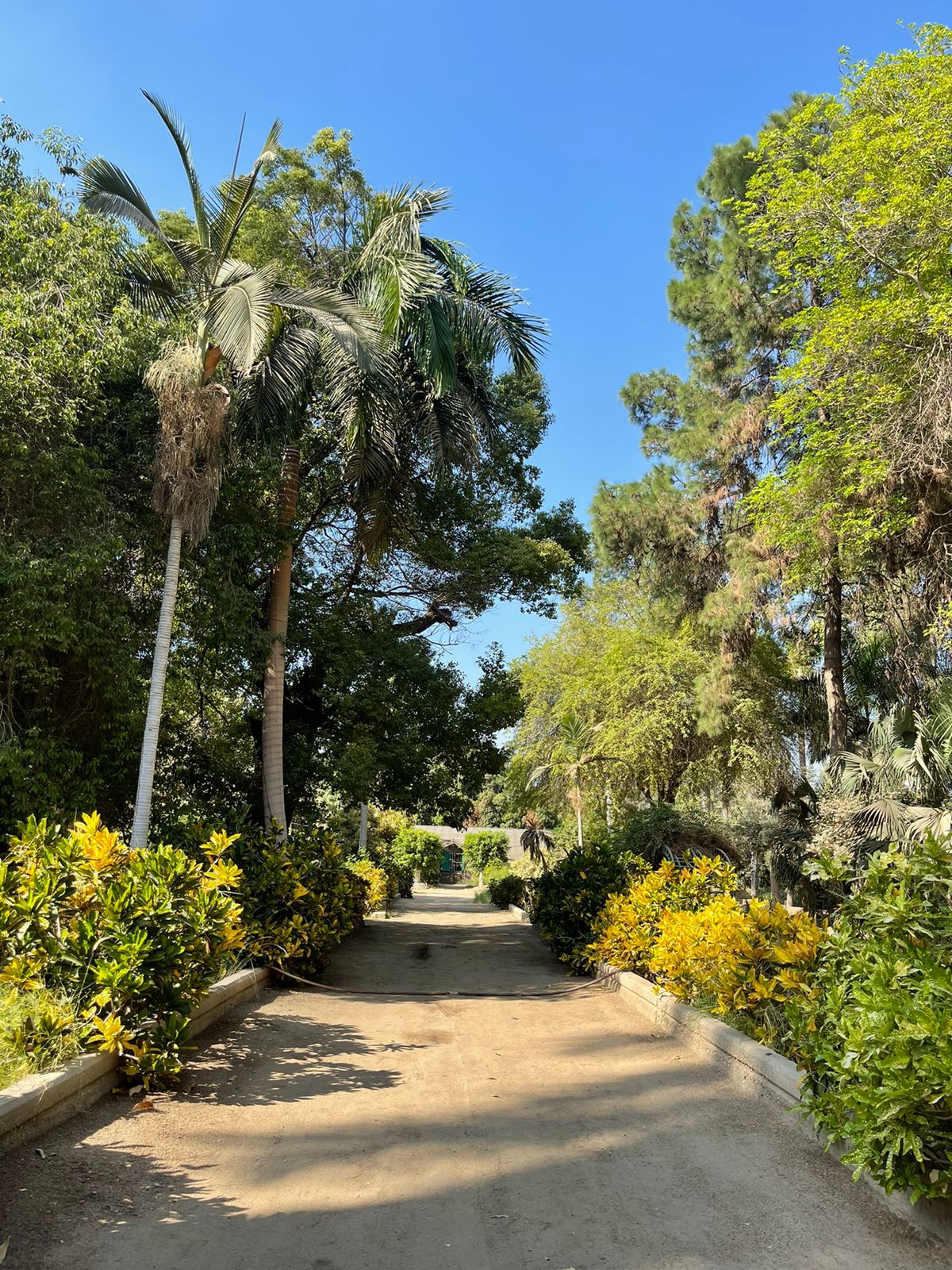
The historical significance of El-Zohreya Garden is meticulously documented in a doctoral dissertation by Dr. Nasser El-Kilany, titled The Gardens of Cairo in the Era of the Muhammad Ali Dynasty. El-Kilany notes that Khedive Ismail personally orchestrated the acquisition of a monumental collection of rare flora and trees from across the globe, spanning India, China, the South Asian islands, central Sudan, and South America, anchoring them all within the fertile soil of El-Zohreya.
El-Kilany records that the volume of imported flora exceeded one million saplings encompassing three thousand distinct plant species. Specialized merchants procured these specimens directly from their native habitats or sourced them through the elite botanical exhibitions held across Europe during that era.
Royal decrees went so far as to requisition five dedicated railway cars to transport these imported treasures from the port of Alexandria to the Azbakia Gardens, and primarily to El-Zohreya Garden first. Here, the plants underwent a vital period of acclimatization to adapt to the Egyptian climate and soil before workers permanently transplanted them into various royal estates.
To realize this vision, Khedive Ismail enlisted Europe’s most celebrated botanists and landscape architects, transforming the gardens of Egypt into living botanical museums. Regarding the etymology of the site, El-Kilany notes that its creation in 1868 served as a dedicated mashtal (flower nursery) to cultivate blooms for formal zohreyat (vases) and banquet decorations during the Khedive’s reign. Entrusted to the visionary hands of engineers Gaby, Delchevalerie, and Duchêne, the original sanctuary once spanned a grand 49 acres.