The Buried Eggs of Aswan: Culinary Echoes of Passion Week
Explore the unique culinary traditions of Aswan’s Coptic heritage during Passion Week, from the ancient ritual of eggs buried in aged cheese to the symbolic flavors of the Resurrection feast.
By Wafaa Amien
The Buried Eggs of Aswan: Culinary Echoes of Passion Week
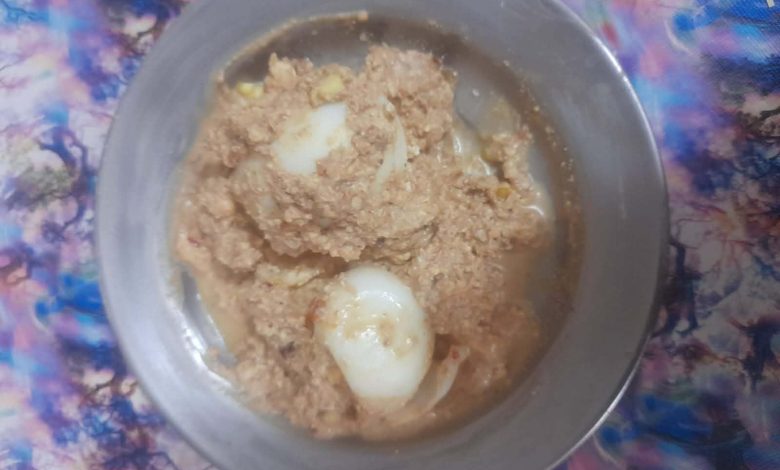
In the Coptic households of Aswan, the days of Passion Week witness the renewal of ancestral traditions that seamlessly weave religious rites with a singular culinary heritage. The week commences in a spirit of solemnity and asceticism, gradually ascending toward the exuberant joy of the Resurrection and the vernal celebrations of Sham El-Nessim. Here, we explore the most prominent dishes prepared during this hallowed time, led by the storied Madfoun el-Beid (eggs buried in aged cheese) and Madfoun el-Ta’ameya (falafel buried in tomato sauce).
A Tapestry of Rituals
The rites of Passion Week follow an ancient, established sequence, beginning with the Tuesday of Pascha (Passage), followed by Job’s Wednesday, and Covenant Thursday. These lead into Great Friday often called “Sad Friday” the zenith of silence and austerity, before concluding with Joyous Saturday, a day of quiet anticipation for the glory of the Resurrection.
Throughout these days, rituals oscillate between attending long liturgical prayers, donning black attire, and limiting social visits. The folk table mirrors this transition from stark simplicity to festive preparation, culminating in the spring delicacies dominated by salted fish and vividly colored eggs for Sham El-Nessim.
Distinctive Flavors
Hanan Shehata, a local homemaker, explains that the meals of Passion Week fluctuate between days dedicated to lentils, freek (cracked green wheat) simmered in sauce, and ful nabit (sprouted beans). She notes that ful nabit is traditionally served with toasted, dry bread on Great Friday. On the Eve of the Feast, before the late-night liturgy, the signature meal consists simply of boiled meat served with bread and clear broth.
“As for Sham El-Nessim,” she continues, “we serve lupin beans and fenugreek seeds that have been soaked in water until they sprout. These are dressed with a squeeze of lemon and enjoyed alongside salted lupin and boiled chickpeas seasoned with chili and lemon juice.” She clarifies that preparations for this specific platter begin as early as the Tuesday of Pascha.
Shehata highlights another inherited rite: the preparation of Madfoun el-Beid fi-l-Mish (eggs buried in fermented, aged cheese). “This dish is prepared a month before the feast,” she says. “Thirty eggs are boiled nearly forty days in advance and submerged in the mish (a pungent, fermented cheese) to be eaten on Sham El-Nessim.” She emphasizes that boiled eggs remain a centerpiece of the day, with children coloring them to channel the vibrance and joy of the holiday.
Falafel Buried in Sauce
Hanan continues: “On Covenant Thursday, we eat Madfoun el-Ta’ameya fi-l-Dam’aa (falafel buried in a rich tomato reduction). We fry the falafel in oil and then submerge them in the bubbling sauce; it is one of the most distinctive dishes of this day.”
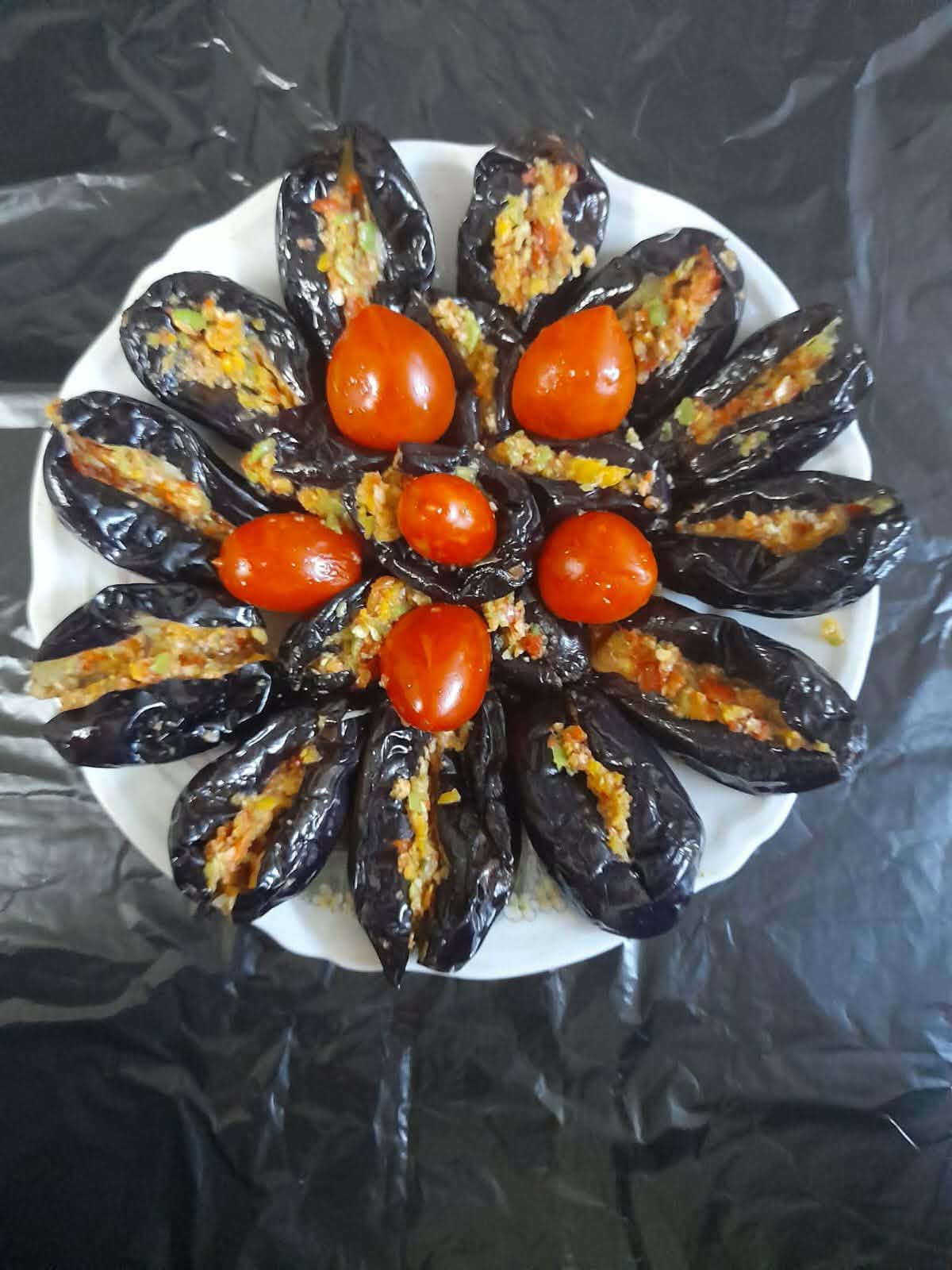
She notes that on Great Friday, many prefer stuffed grape leaves, accompanied by pickled eggplant a vital appetizer for the day. This is served alongside falafel buried in a teqlia (sautéed onion and garlic) casserole, medames beans, and fried potatoes. Some also slow-cook sprouted beans to be served with dry bread and the stuffed grape leaves.
Regarding the essential holiday bakes, Hanan lists biscuits, petit fours, kahk (sugar-dusted cookies), and qurs (soft bread discs). Foremost among these is the “Egg Cake,” a piece of dough wrapped around a raw egg before being fired in the oven. This is known locally as kahk el-beid, served alongside fayesh (a traditional Upper Egyptian crisp sourdough rusk).
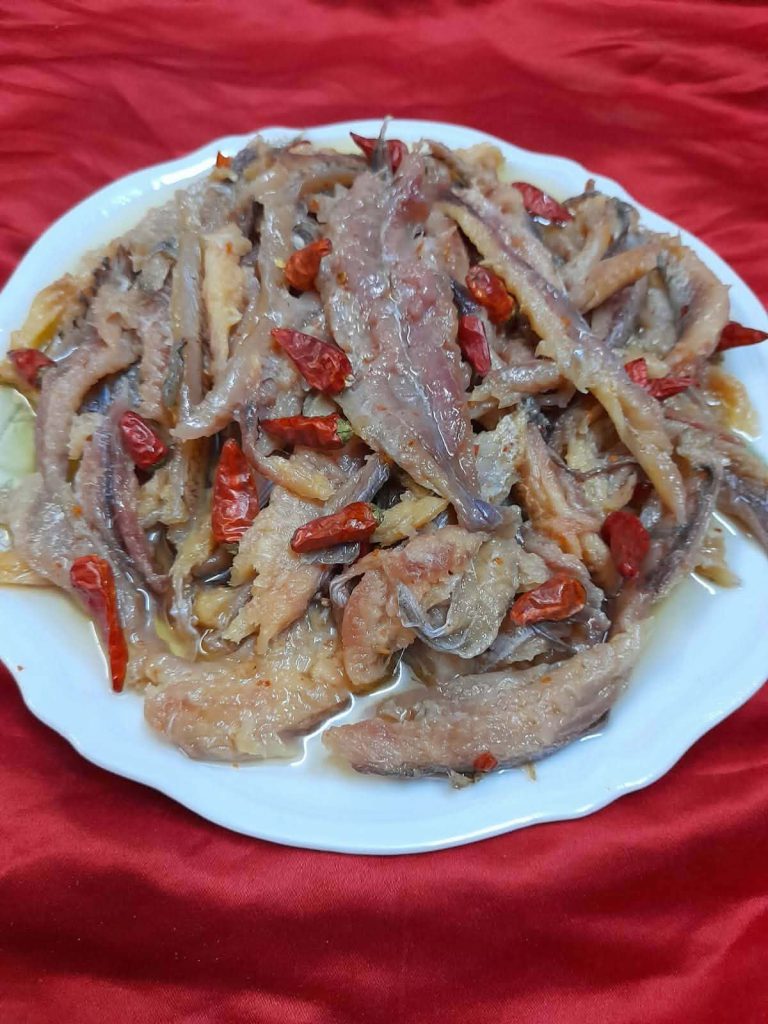
Meanwhile, Myrna Saleh, another homemaker, insists on preparing Aswan’s famed melouha (fermented salted fish), specifically the African Tigerfish and Alestes varieties. She prepares these at home before Sham El-Nessim to ensure they anchor the spring table. She explains the process: opening the fish, removing the entrails, cleaning them thoroughly, and then layering them with precise amounts of salt until they reach maturity. She points out that the flesh of the Tigerfish acquires a distinctive pink hue once the salting process is perfected.
Crucifixes Draped in White and Black
Wagih Ageeb notes that the formal observance of Passion Week commences on Monday. “All churches must be adorned with crucifixes draped in white cloth,” he explains. “By the evening of Palm Sunday, these are replaced with black shrouds in mourning for Christ, signaling the true beginning of Passion Week.” He further observes that Coptic women traditionally dress in black throughout this period.
“Following this, we observe the Tuesday of Pascha and Job’s Wednesday, leading into Covenant Thursdayso named for the betrayal of Christ’s covenant,” Ageeb continues. “Then comes Great or ‘Sad’ Friday, followed by Joyous Saturday. The liturgy begins at nine in the evening and continues until eleven, during which the church lights are dimmed. At the stroke of midnight, the sanctuary is flooded with light to celebrate the Resurrection, accompanied by high-pitched ululations of joy in an atmosphere of pure jubilation.”
He concludes by noting that roast turkey is a centerpiece for many affluent Coptic families during the feast. On the day of Sham El-Nessim, despite persistent warnings from health authorities, Aswan’s salted fish and smoked herring inevitably dominate the table as the definitive and cherished dishes of the spring season.