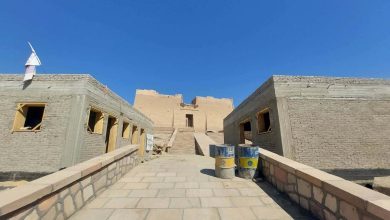
Lutfi Agency from abroad. Photo by Hassan Abdelnaim
Lutfi Agency from abroad. Photo by Hassan Abdelnaim

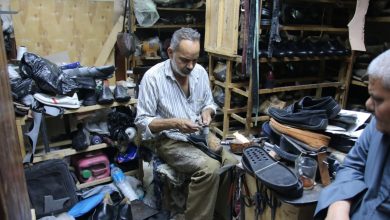
Shalabi Trading Agency gate. Photo by Hassan Abdelnaim
Shalabi Trading Agency gate. Photo by Hassan Abdelnaim
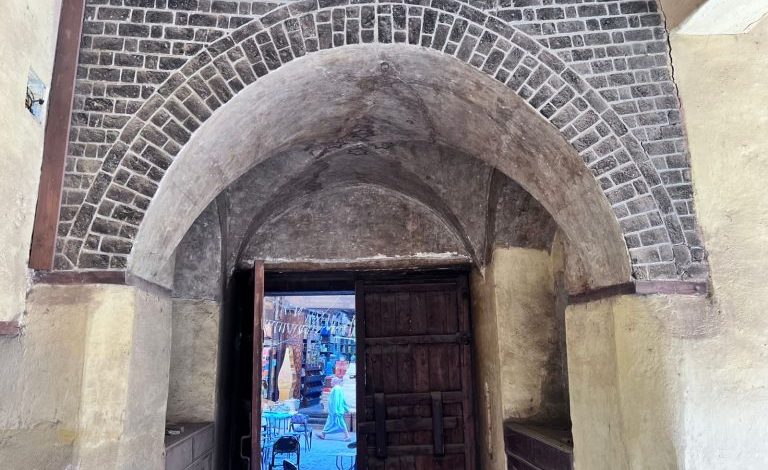
Traders rooms inside the Lutfi Agency. Photo by Hassan Abdelnaim
Traders rooms inside the Lutfi Agency. Photo by Hassan Abdelnaim
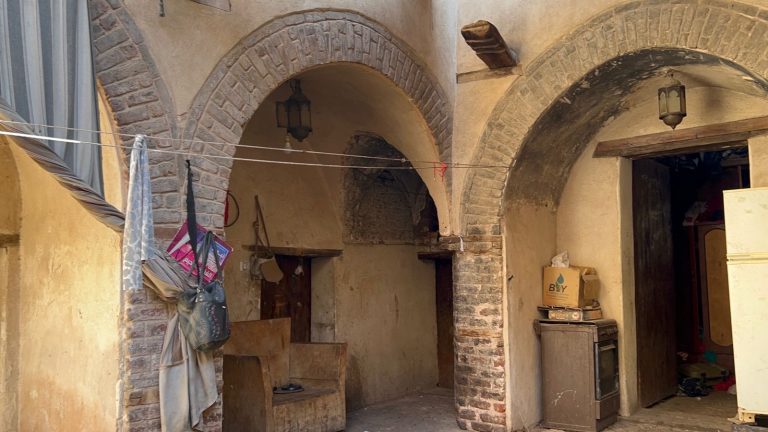
Thabit Agency from inside. Photo by Hassan Abdelnaim1
Thabit Agency from inside. Photo by Hassan Abdelnaim1

Thabit Agency from inside. Photo by Hassan Abdelnaim
Thabit Agency from inside. Photo by Hassan Abdelnaim
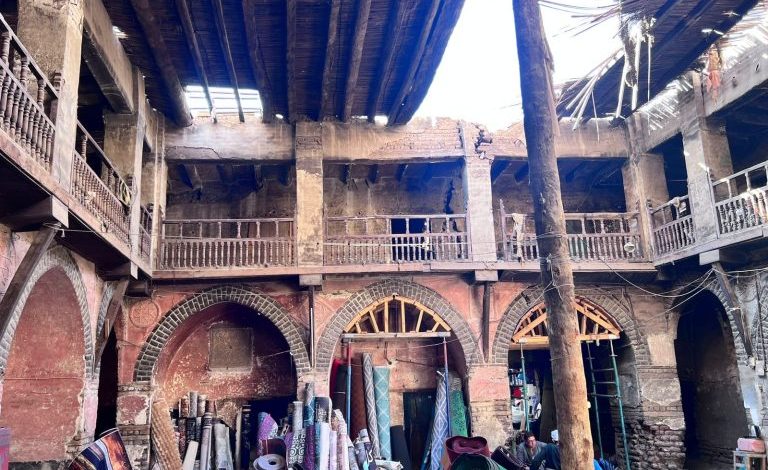
Signboard of Thabit Agency. Photo by Hassan Abdelnaim
Signboard of Thabit Agency. Photo by Hassan Abdelnaim
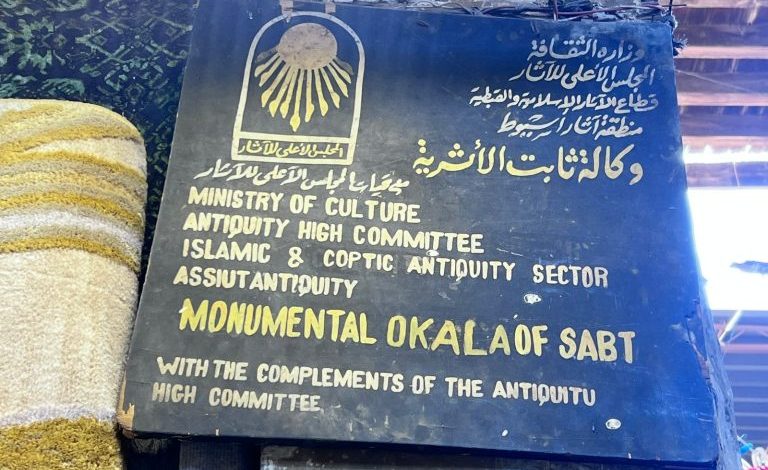
Signboard of Lutfi Agency and date of establishment. Photo by Hassan Abdelnaim
Signboard of Lutfi Agency and date of establishment. Photo by Hassan Abdelnaim
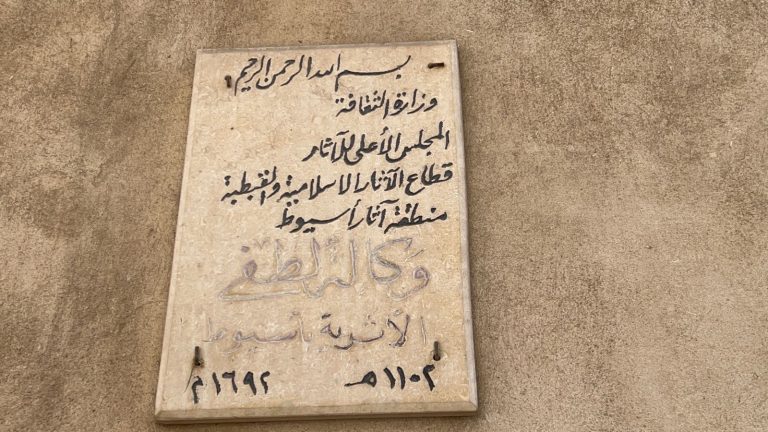
Shalabi Trading Agency. Photo by Hassan Abdelnaim1
Shalabi Trading Agency. Photo by Hassan Abdelnaim1
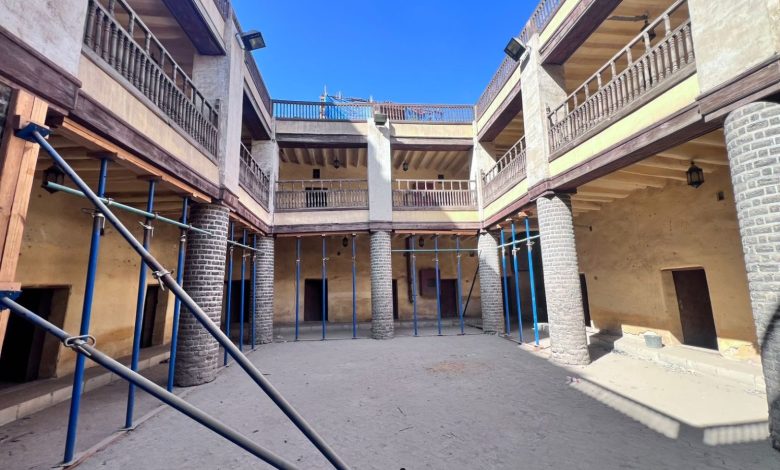
Shalabi Trading Agency. Photo by Hassan Abdelnaim
Shalabi Trading Agency. Photo by Hassan Abdelnaim

Since the Ottoman era, Assiut has been an important commercial hub in Upper Egypt, with caravans passing through on their way to Sudan via the Darb al-Arba’in route, and a destination for merchants from around the world. The city has retained its commercial status over time, with the caravanserais of Lutfi, Shalabi, and Thabit standing in the narrow alleys of Al-Qaisariya as living witnesses to a history spanning more than three centuries. With their Islamic architecture and antique decorative features, these caravanserais tell the story of a city that was once a thriving center of trade and urban development in Upper Egypt. Today, however, they suffer from neglect and need saving before they are forever erased from the city’s memory.