Architects of Identity: Aswan Women’s Film Festival Honors the Matriarchs of Cinema and Style
From the pioneering vision of Aziza Amir to the evocative power of cinematic costume, the Aswan International Women’s Film Festival explores how women shaped the visual and cultural identity of Egyptian cinema through history, artistry, and grit.
By Wafaa Amin
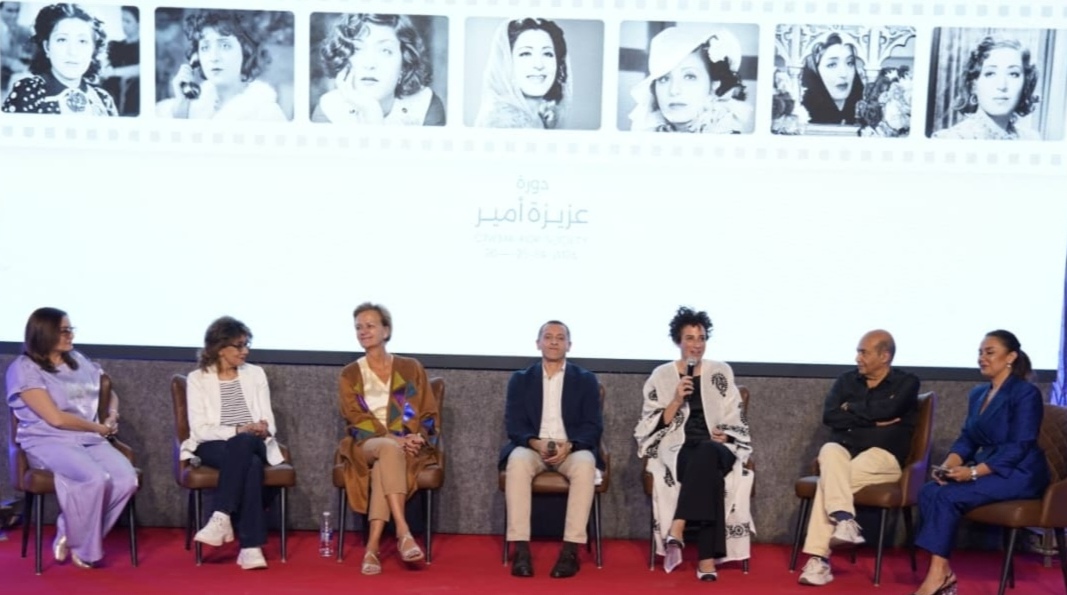
During the tenth edition of the Aswan International Women’s Film Festival, an assembly dedicated to the pioneering Egyptian filmmaker Aziza Amir, profound dialogues unfolded regarding the female influence on the cinematic industry. The sessions explored the evolution of artistic expression across generations, the symbiotic relationship between art and cultural identity, and the pivotal role of cinematic costume in sculpting a visual persona. These discussions mirrored the intricate weaving of artistic creativity with contemporary social and cultural imperatives.
Honoring the Legacy of Aziza Amir
The symposium was inaugurated as part of the festival’s celebration of Aziza Amir, whose name graces the current session in recognition of her status as a trailblazer. She was one of the first women to breach the ramparts of the Egyptian film industry, serving not merely as an actress, but as a writer, producer, and a visionary with a holistic artistic perspective. Participants examined her central role in laying the foundation of Egyptian cinema, noting how her contributions cleared the path for subsequent generations of female artists and filmmakers.
The proceedings included the screening of a documentary chronicling the journey of Egypt’s female pioneers. The film provided a panoramic view of the early global and local cinematic dawn, emphasizing Amir’s zenith as a polymath who balanced writing, production, and acting. Her body of work reflected deep-seated societal issues, cementing the female presence both in front of the lens and behind the camera.
Women on the Path of Pioneering
The film further illuminated a constellation of women who sustained this pioneering momentum, including Mary Queeny, Bahiga Hafez, Fatma Rouchdi, and Assia Dagher. Each played a distinguished role in refining the industry through production, acting, or screenwriting, effectively anchoring the woman’s position as a dynamic and influential force within the field.
The seminar drew a sophisticated audience of critics, actors, and historians. Conversations traced Amir’s trajectory from her initial forays to her commanding roles in production and screenwriting. She was hailed as a consummate model of the “comprehensive artist” one who refused to remain a mere subject of the camera, striving instead to establish her own artistic project in a domain that was, at its inception, a hallowed ground for men.
Cinema on the Shoulders of Women
Renowned film critic Tariq El-Shennawi asserted that Egyptian cinema is a unique experiment that was built, in its infancy, on the shoulders of women. “I met half of them and conducted interviews with them,” he remarked, noting that female leadership did not rely on material wealth as much as it did on the sheer power of resolve and insistence.
He observed that television currently enjoys a broader horizon of freedom, as it is less susceptible to market fluctuations and the shifting public temperament compared to cinema. Film remains a realm of high risk, particularly during eras dominated by male leads where the box office relied heavily on male stars. He expressed a hope for a genuine equilibrium in lead roles between men and women.
Poly Ioannou, the Ambassador of Cyprus to Egypt, remarked on the profound similarities between Egypt and Cyprus across various social issues, events, and the shared landscape of cinema and the arts.
An Inspiring and Bold Model
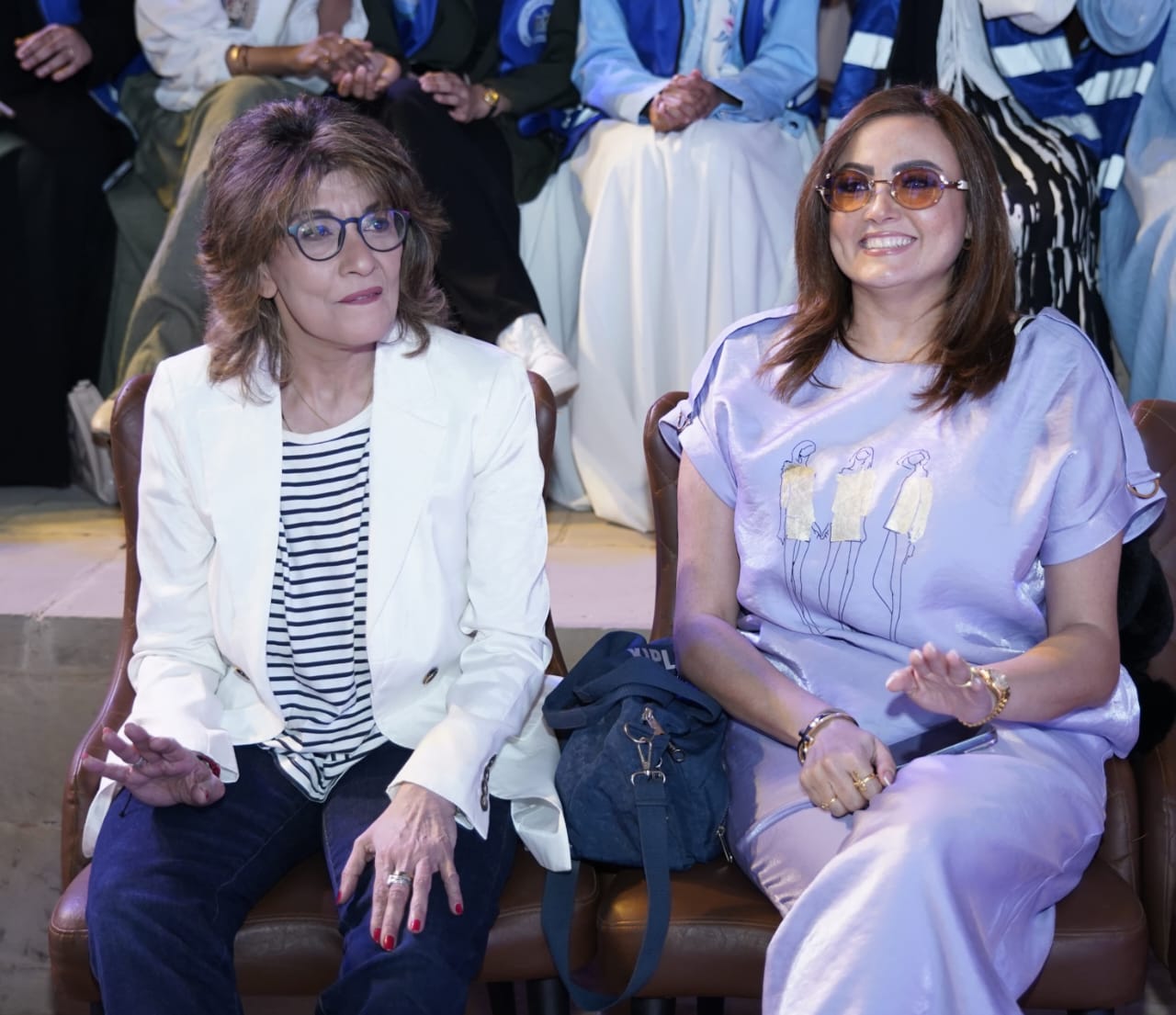
The actress Samah Anwar spoke of the distinctiveness of each generation’s experience, noting that while her own generation navigated a period of confusion, the legacy of Aziza Amir remained an inspiring north star. Amir took a bold step during a time when the cinematic field was not sufficiently hospitable to women, reflecting the magnitude of the challenges she overcame.
Anwar noted that Amir was the cornerstone of feminist cinema, opening the gates for new generations of creators across all cinematic disciplines. She clarified that Amir’s works were more than mere productions; they carried societal messages reflecting the status of women and offering a new image that transcended traditional roles.
She emphasized the necessity of awareness in guiding new generations to produce works that reflect their reality, urging support for them amidst the challenges of digital transformation and the proliferation of streaming platforms. This requires evolving artistic tools to meet modern demands without abandoning cultural identity.
A Pillar of the Industry
The actress Bushra affirmed that creativity is inextricably linked to conscious leadership and a genuine desire for progress. She pointed out that women have always been, and remain, a fundamental pillar of the art industry, not merely an auxiliary element. She lauded Aziza Amir’s role in nurturing the nascent film industry and her contribution to realistic storytelling.
Bushra stressed the urgency of supporting cinema and reimagining industrial management in light of global changes and the diversity of digital media to ensure the continued production of value-driven art. “We have passed through various stages,” she said, “and now we are in a precarious phase due to the changing and diversifying mediums used to disseminate art.”
The seminar concluded with expansive debates on the evolution of women in film, from the pioneering age led by Amir, through the generations that solidified this role, to the contemporary filmmakers who continue to present artistic experiments reflecting societal issues and cultural shifts.
The session closed by emphasizing the importance of documenting the history of these pioneers and presenting it to new generations as an integral part of the Egyptian artistic heritage, calling for enhanced opportunities for women to ensure their continued leadership in the future of cinema.
Threads of Identity in Cinematic Costume
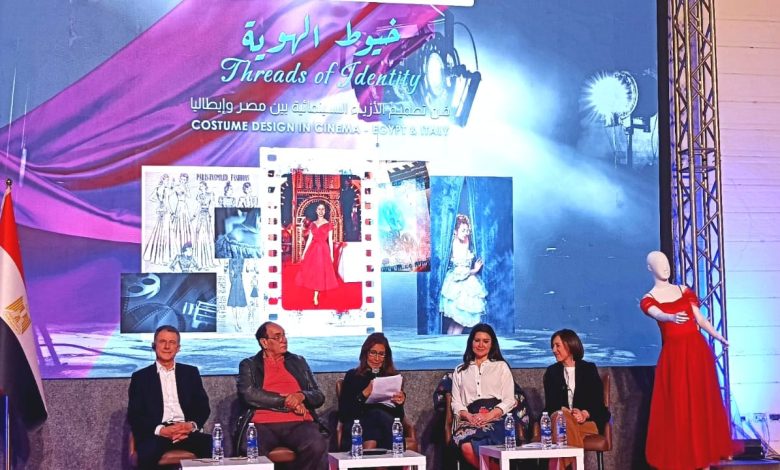
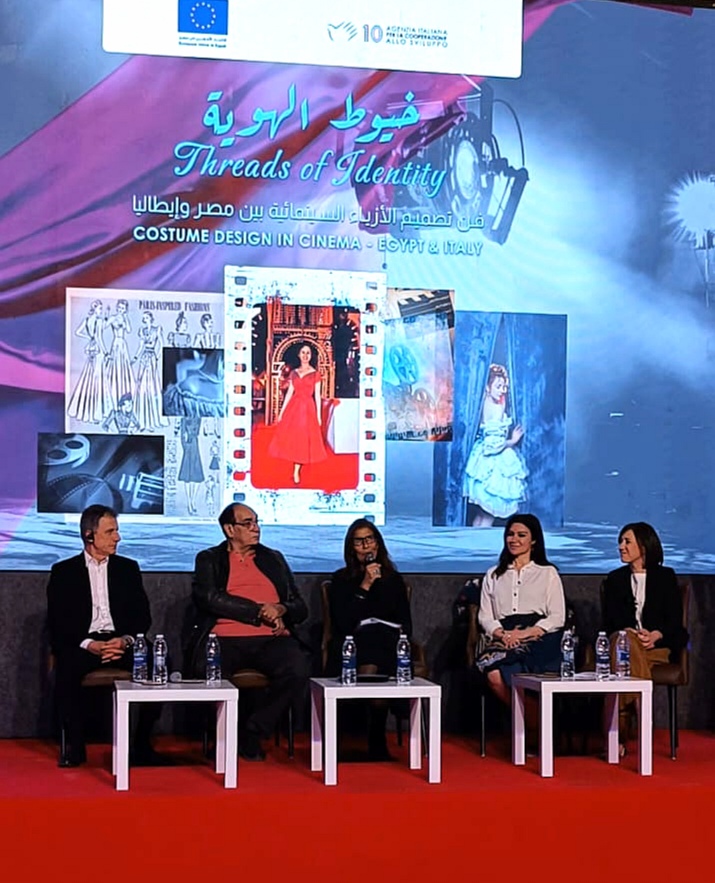
In a separate context, the seminar “Threads of Identity in Cinematic Costume between Egypt and Italy” cast a spotlight on the central role that attire plays in constructing a cinematic persona, amidst a growing interest in utilizing costume as a vessel for reviving heritage through a contemporary lens.
The seminar explored how costume shapes the features of characters on screen. A documentary was screened showcasing the role of clothing in painting the visual identity of cinematic works and etching them into public memory. It affirmed that the relationship between cinema and fashion is a long-standing, reciprocal influence; costume does not merely distinguish a character, but actively constructs their dramatic interiority.
Costume as a Vital Element
Dr. Mervat Abu Oaf moderated the discussion, explaining that costume is an essential element that reflects the general environment of events from the very first moment. She raised the question of the extent of a director’s intervention in selecting a character’s wardrobe.
Director Magdy Ahmed Ali asserted that costume is among the most vital components of a cinematic work. He cited the film “Amir El Dahaa” (The Prince of Cunning), with costumes designed by the legendary Shadi Abdel Salam, where the attire played a crucial role in expressing the character’s nature. He also referenced his experience in the film “Asrar El Banat” (Girls’ Secrets), explaining his insistence that the costumes reflect the middle class, even choosing a shirt larger than the actor’s size to emphasize this social dimension.
He added that Italian cinema, particularly the works of Federico Fellini, utilizes costume to express psychological states and dramatic context rather than mere external appearance.
Costume and Character Embodiment
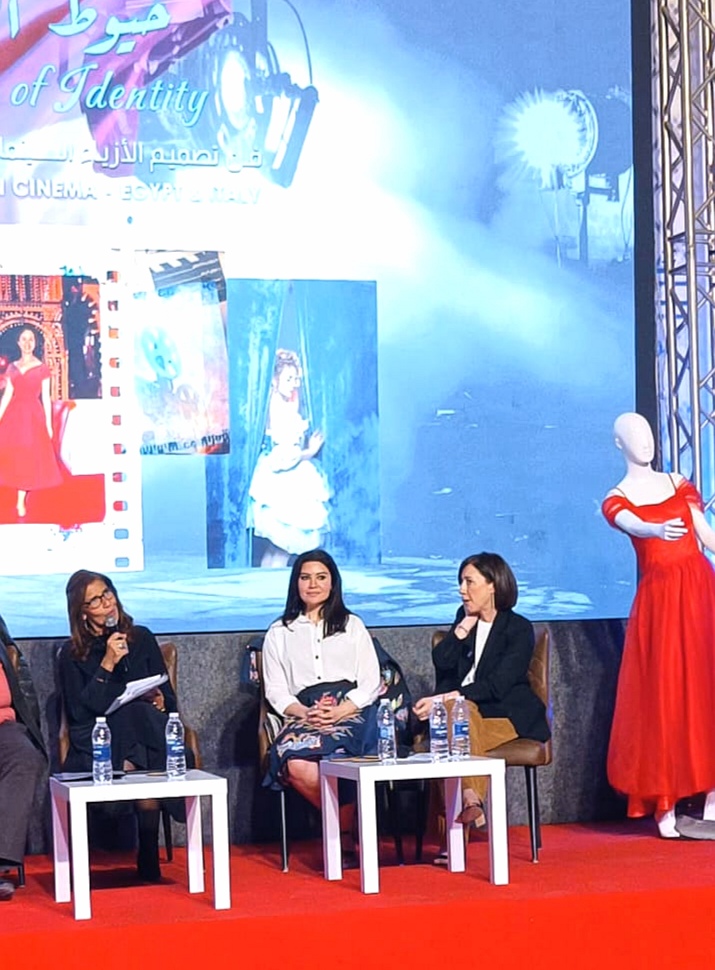
Actress Arwa Gouda spoke of her significant reliance on costume to inhabit her characters, noting that clothing helps build the features of a role. She admitted there are occasionally discrepancies in vision between the actor, the costume designer, and the director. “Sometimes the artist speaks about something technical that the others do not quite grasp,” she explained. She reviewed her experience in the series “Al Ahed” (The Covenant), where she portrayed a dancer who was simultaneously a warrior, noting that the costume design was complex and directly dictated her movement.
She expressed a desire for Aswan and Nubia to revive the craft of manufacturing clothing and handicrafts inspired by Pharaonic heritage for use in historical artistic works. She emphasized that what Egyptian cinema and television lack is an industry for costumes and accessories that truly express Egyptian identity. She praised the efforts of Italian and Hollywood cinema in costume design that reflects detail and sophistication, citing the film “Cleopatra” as a prominent example.
Women in Italian Cinema
Natassia Nasia, Project Manager of the “DECIDET” project at the Italian Agency for Development Cooperation, discussed the role of costume in defining female characters in Italian cinema. She cited the iconic wardrobes of legends such as Sophia Loren and Elizabeth Taylor, affirming that costume enhances a woman’s presence and distinction on screen, and noting a clear proximity between Egypt and Italy in this field.
Tiberio Chiari, Project Manager at the Italian Agency for Development Cooperation, pointed to the cultural affinities between Egypt and Italy. He explained that this closeness is reflected in cinema and music, fostering a civilizational dialogue between the two peoples. He noted the influence of cinematic icons such as Stephan Rosti and Salah Abu Seif in entrenching this cultural connection.
The seminar concluded with Director Magdy Ahmed Ali affirming the power of costume to communicate dramatic shifts without the need for dialogue. He pointed to films that used costume as potent visual symbols, such as “Shey min al-Khawf” (A Touch of Fear), where the attire of “Shadia” became an artistic icon that spoke volumes without a single word.