Hearth of the Ancestors: The Resurgence of the Kanun in the Houses of Upper Egypt
In the shadow of rising fuel costs, the ancient Kanun a traditional mud-brick hearth is seeing a revival in the homes of Upper Egypt. This feature explores how rural women are returning to the rhythmic, slow-burn rituals of their ancestors to find both economic sanctuary and a taste of the past.
By Amany Khairy
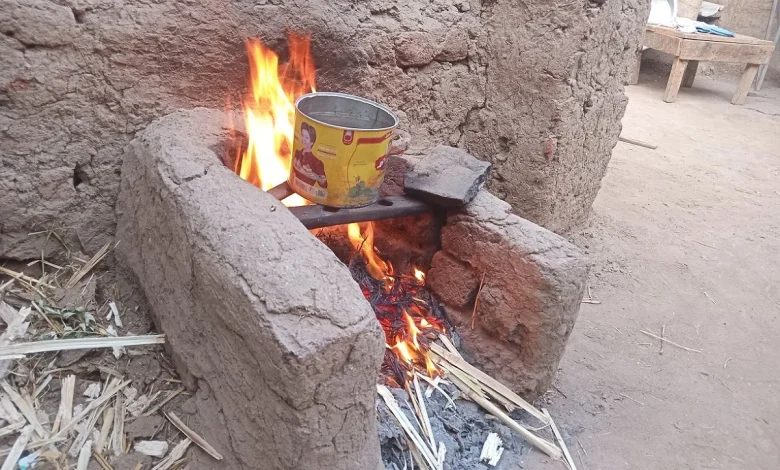
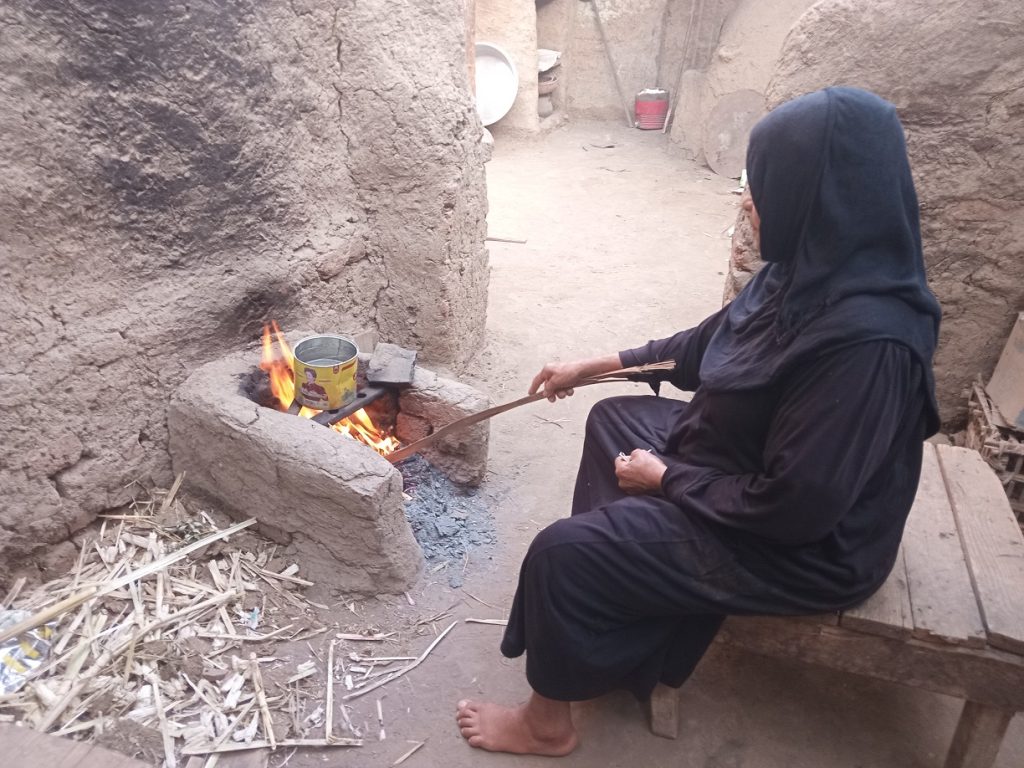
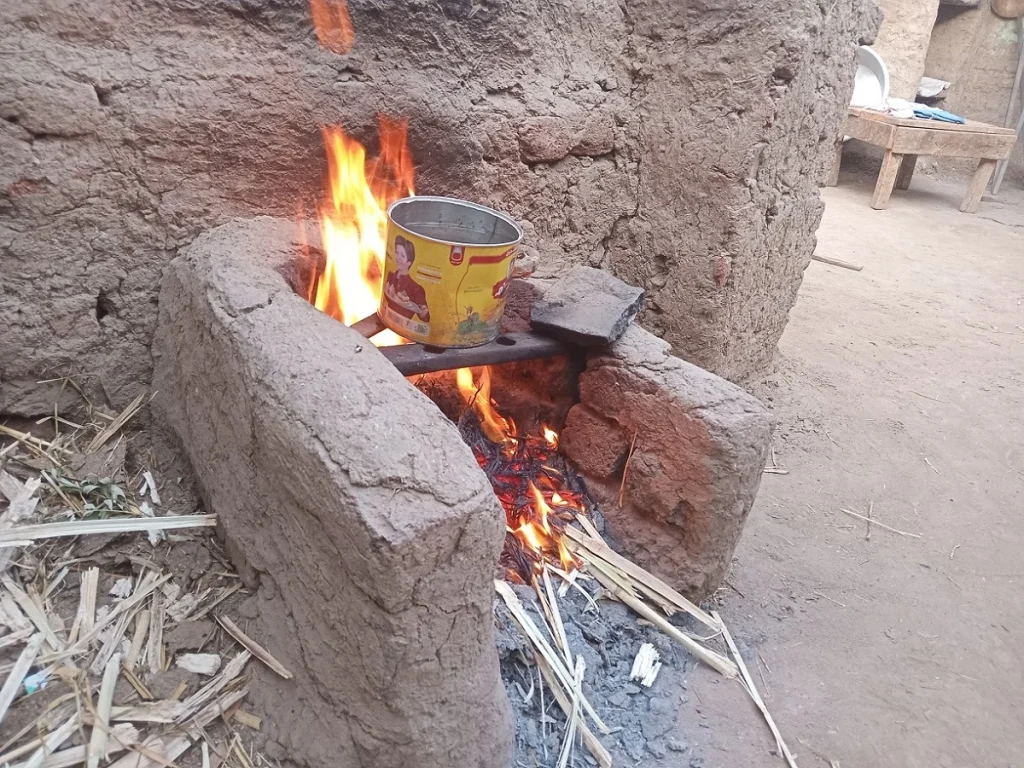
The Kanun (an ancestral hearth of clay and brick) stands as one of the most ancient cooking vessels known to the Egyptian people. Crafted from the humblest of materials sun-dried mud bricks and tempered clay it takes the form of a tripartite foundation designed to cradle heavy pots for slow-simmered meals or the preparation of what locals call “tea of the embers.” This infusion possesses a depth of flavor entirely alien to the sterile heat of a modern gas stove.
Preparing food on the Kanun
Hajja Hamida Othman, sixty-one, begins her day in the early gray of dawn to tend to the poultry within her home in the southern reaches of the Luxor Governorate. She relies on water brought to a rolling boil over the open flame to soften shards of dried bread. With rhythmic stirring, she coaxes the mixture into a smooth consistency, letting it rest for a few fleeting minutes before offering it to her chickens to ensure they grow plump and yield rich, farm-fresh eggs.
Hajja Hamida explains that her return to the Kanun was born of necessity following the soaring costs of gas cylinders. “This way, we preserve both the gas and our coin,” she says. Her intimacy with the hearth spans forty-five years; she mastered its temper at her mother’s side, watching her conjure diverse feasts and brew endless pots of tea. A single meal demands nearly three hours of patient attendance before it reaches its zenith. To feed the fire, she gathers small kindling, fallen leaves, and the fibrous remnants of the household.
How a Kanun is fashioned
The construction of a Kanun is a simple ritual requiring little strain, as Hamida describes. It can be molded by hand using basic elements or commissioned from a master mason specializing in traditional ovens. Many women, however, prefer the intimacy of building their own. They arrange bricks in the shape of an open square, layering them upward before sealing the structure with a veneer of mud and water. Once the sun has parched it bone-dry, a preliminary fire is lit to cure the clay, readying it for a lifetime of service.
The Weight of Rising Costs
Hajja Zainab Abdel-Hay notes that the price of a single gas cylinder has climbed to a staggering 350 pounds in certain districts, exacerbated by the opportunism of some traders. Amidst the tightening grip of living costs, securing the funds for fuel each month has become a labor of its own. The solution was a return to the roots: erecting a modest Kanun in the courtyard of her home to bypass the stove.
She adds that the hearth is remarkably economical. Dried sugarcane stalks are plentiful, and when they run thin, she turns to old papers, straw, and other organic debris to keep the embers glowing.
The Flavor of the Hearth
Sayyida Abdel-Mutaal, who dwells in a remote village with her five children and her husband, a house painter, views the Kanun through a prism of pragmatism. Though she acknowledges the hearth is a primitive tool laborious in its pace and thick with smoke that stings the lungs—she admits its financial reprieve is undeniable. As gas prices continue their ascent, the hearth offers a sanctuary for the people of Upper Egypt, who carry the ancestral knowledge of its use in their very marrow.
She observes, however, that such a life is perhaps out of reach for city dwellers, who lack the sprawling courtyards of the countryside. Regarding the flavor, she finds the meals prepared over the embers hold their own against modern methods. For Sayyida, the return to the hearth is a temporary bridge, a way to weather the current economic storm until gas becomes affordable once more and she can return to the speed and clarity of the modern stove.
A Rural Relic
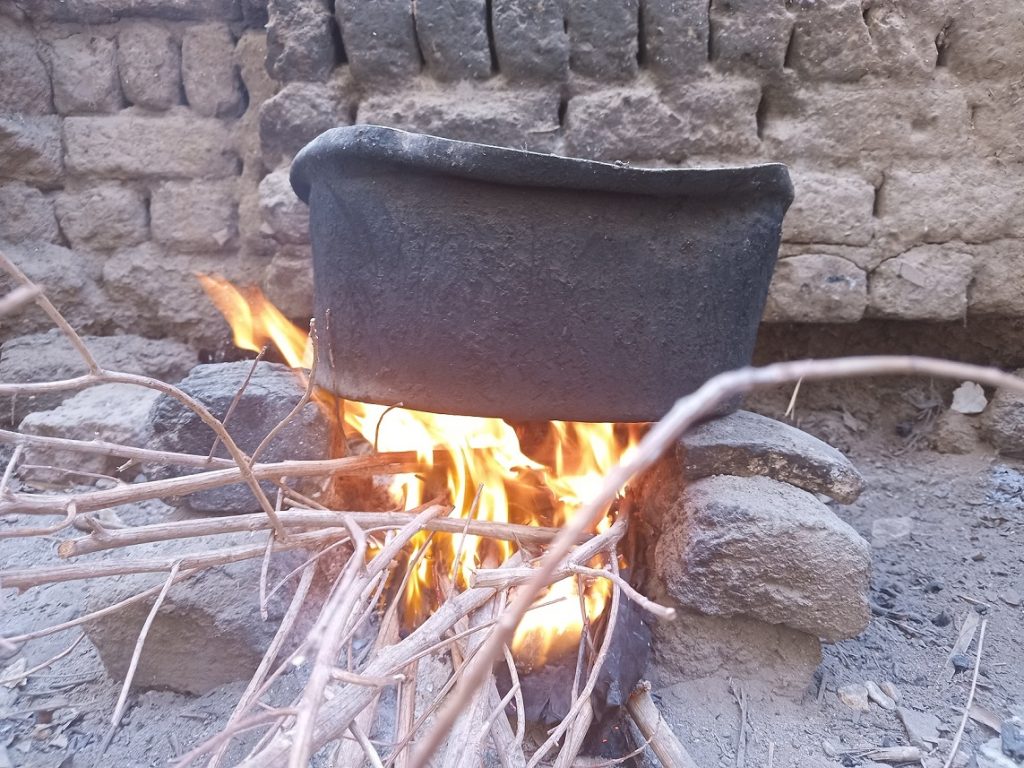
Ola Abdel-Fattah, a homemaker, admits that the rising fuel costs tempted her to build a Kanun on the rooftop of her apartment building. She presented the vision to her husband, but he recoiled at the prospect of rising smoke and the potential health burdens. Furthermore, the urban landscape offers no easy access to the timber or kindling required to breathe life into the clay.
She reflects on her life before marriage, when she lived in a village with her sister and knew the steady warmth of the hearth well. But the transition to the city changed the rhythm of her days. Like so many others in the urban sprawl, she remains anchored to the gas cylinder, looking back at the Kanun as a memory of a different world.