The Bounty of the Traps: How a Humble Fish Anchors Damietta’s Maritime Soul
Discover how a tiny, roe-filled fish called shabar al-jawabi anchors the maritime identity, culinary rituals, and ancient trapping traditions of Damietta, Egyp
By Helmy Yassin
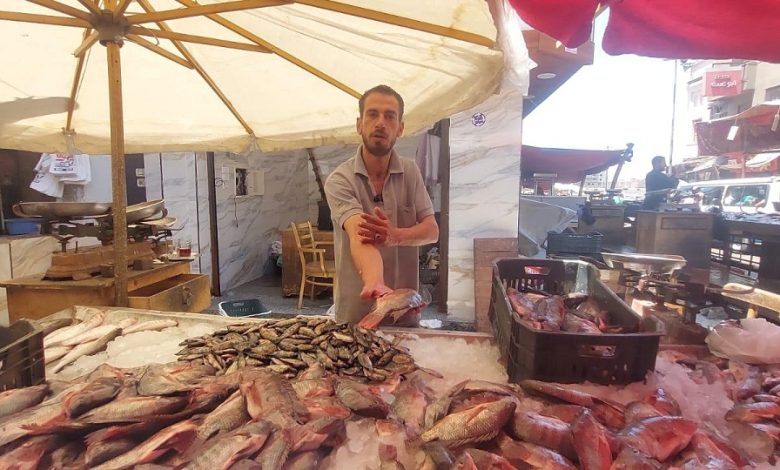
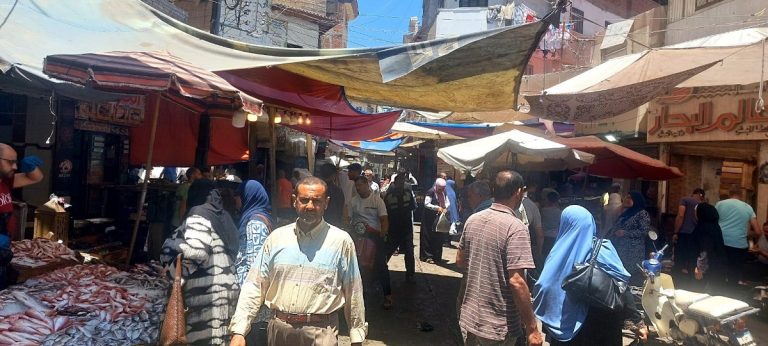
The jawabi fish (a prized local variety of roe-filled tilapia) remains the undisputed favorite indulgence for the people of Damietta. For middle-income families especially, the coastal season never passes without multiple feasts. The demand is so fierce that the fish is often sold via strict reservation: customers call fishmongers well in advance to secure their shares, later retrieving the glistening bounty from traditional brick ovens adjacent to the shops, where they are roasted to perfection.
A Sacred Coastal Ritual
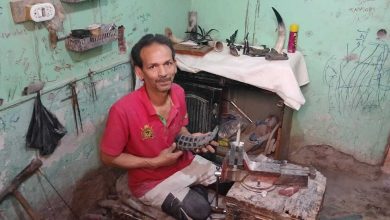
For Damiettas, partaking in shabar al-jawabi requires adherence to a sacred culinary ritual, explains Mohamed Abdel Aziz, a local craftsman known affectionately as “Oumajy.” The fish never appears on a table alone; it demands essential accompaniments: fresh lemons, pristine white rice, crisp salad, and occasionally, raw onions.
Abdel Aziz notes that shabar al-jawabi serves as a cornerstone of the Damiette household, relished across generations. Despite its diminutive stature, rarely exceeding ten centimeters, locals refuse to abandon it, regardless of how high prices soar during its peak season, which commences in March and draws to a close in late May. While Cairo and Alexandria markets know the species as shabar al-baloumi, Damietta vendors proudly label it shabar al-jawabi al-mubatrokh (roe-filled basket-trap tilapia).
An Unlikely Ambassador for Outsiders
“I once hosted clients from Cairo,” recalls Ahmed Al-Ashmawy, a furniture trader. “Wanting to honor them, I invited them to a feast of this roe-filled fish. They looked at the small catch and laughed, saying, ‘This is feed for ducks, not food for humans.’ I quietly peeled a few fish for them to try. Within minutes, they fell upon the platter with an immense appetite, devouring the entire meal.”
Al-Ashmawy adds that these same clients now call him every season requesting the exact same meal, declaring it one of the finest fish experiences of their lives. The tiny fish has asserted its presence on the tables of visitors from outside Damietta, transforming casual culinary encounters into enduring friendships anchored by annual shipments of the roe-filled delicacy.
Damiettas take immense pride in this local treasure, viewing its small size not as a source of modesty but as a badge of honor. Many joyfully photograph their platters to share on social media, celebrating an inheritance passed down from their ancestors. This connection transcends a mere seasonal appetite; it represents a living piece of folklore that has graced Damiette tables for decades, stubbornly maintaining its zenith as the province’s most iconic heritage food.
The Architecture of the Trap and the Art of the Catch
The narrative of the craft belongs to men like Nasser Hamed Boheiry, a trap maker from the village of Shata. He explains that the jawabi (traditional woven fish traps) are deceptive in their simplicity, crafted across coastal hubs like Shata, Izbat al-Burj, Al-Sinaniyya, and Tabl. While some homemakers weave them strictly for personal use, the town of Al-Serw reigns supreme in this industry, specializing in a distinct variation designed to capture freshwater crabs.
These crabs command high demand in foreign markets, particularly in China. The traditional craft provides a vital lifeline of income for local fishermen and artisans who export their entire yield. Boheiry notes a distinct geographic division: the traps of Al-Serw operate in fresh water, whereas the classic Damietta traps plunge exclusively into salt water.
The Clay Oven Resists Modernity
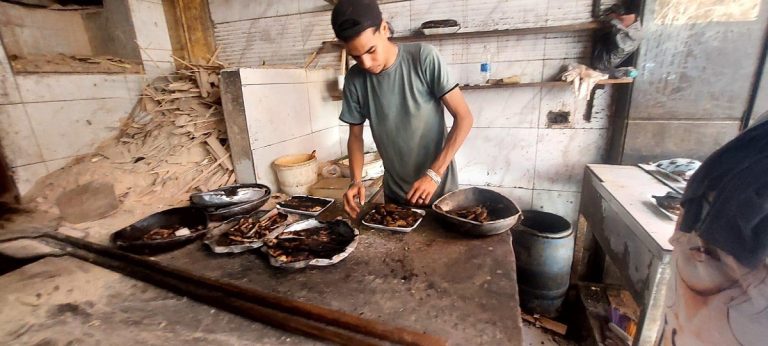
In the heart of the market, Rajab Mwafy, an artisan baker, asserts that the people of Damietta remain fiercely fiercely loyal to the traditional method of roasting shabar al-jawabi, rejecting modern culinary alternatives. Inside his rustic forn baladi (traditional clay oven), the fish are laid directly onto scorching stone tiles, fueled by the aromatic wood shavings sourced from Damietta’s famous furniture workshops, a sensory ritual unchanged for generations.
Customers arrive bearing their own catches, steadfastly refusing modern electric grills or commercial ovens. They believe the true, smoky soul of the fish only awakens within the brick oven. This insistence has transformed into a cherished tradition, binding Damiette families to childhood memories and the rhythmic cycles of the fishing season.
Bovine Perils in the Shipping Canal
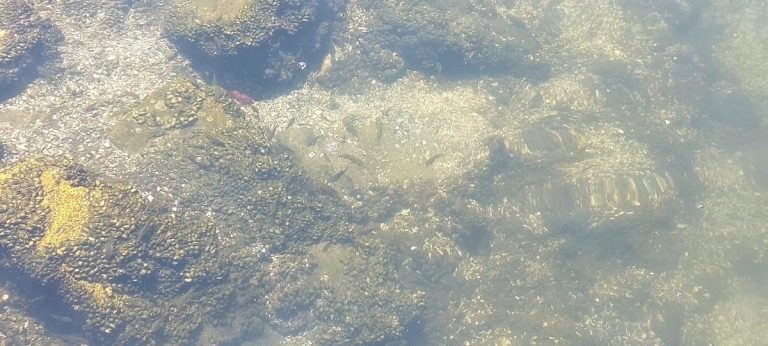
For Mohamed Al-Banwar, a veteran fisherman, the greatest threat to this ancient livelihood is neither a scarce catch nor tempestuous weather, but rather the wandering cattle grazing along the shipping canal connecting the Port of Damietta to the Nile.
“The cows descend into the water to feed on the green reeds,” Al-Banwar explains. “Often, the herders lose control, and the beasts trample our submerged traps, crushing the delicate frames. We are forced to rebuild them from scratch.” He laments that this recurring struggle inflicts heavy financial losses during peak seasons, destroying tools that require immense time and labor to construct. Local fishermen are now calling for stricter regulation of grazing near the shipping lanes to preserve a vital piece of Damietta’s maritime heritage.
Compounding these challenges, the recent opening of the Damietta lock gates altered the aquatic equilibrium. The influx of fresh water mingling with the sea disrupted the natural habitat, introducing unexpected species into the traps, such as catfish, which are often found dead, unable to adapt to the saline environment.
Folklore and the Biblical Echoes of the Trap
The jawabi trap occupies a space not just in daily maritime labor, but in the annals of Egyptian cultural preservation. The device earned a prominent mention in The Tale of the Jews, a seminal text by Zakariya Al-Hijjawi, the pioneer of documenting Egyptian folklore.
Al-Hijjawi described the jawabi as a circular trap fashioned from netting with one or two narrow openings known as the bu’ariyyah (the trap’s conical entry). The design acts as a brilliant snare, enticing the fish inside while rendering escape impossible.
In his writings, Al-Hijjawi linked the mechanical philosophy of the trap to the ancient scriptural tale of the Sabbath-breaking fishermen, referencing the Quranic verse: “When their fish came to them openly on their Sabbath day, and the day they had no Sabbath they did not come to them. Thus did We try them because they were defiantly disobedient.”
The folkloric accounts note that the fishermen would cast their nets and place their traps on Friday; the fish would enter on Saturday, and the catch would be harvested on Sunday morning. This maneuver sought to bypass the divine prohibition of Saturday fishing, maintaining an outward compliance while subverting the spiritual intent of the law. The jawabi, as Al-Hijjawi observed, stands as a testament to the ancient concept of the inescapable snare, an ingenious design that survived the centuries to remain anchored in the coastal identity of Egypt.