“Dangerous Women”: Uncovering the Hidden History of Female Patients in Egypt’s Psychiatric Institutions
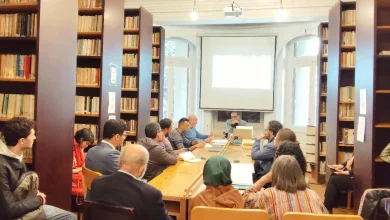
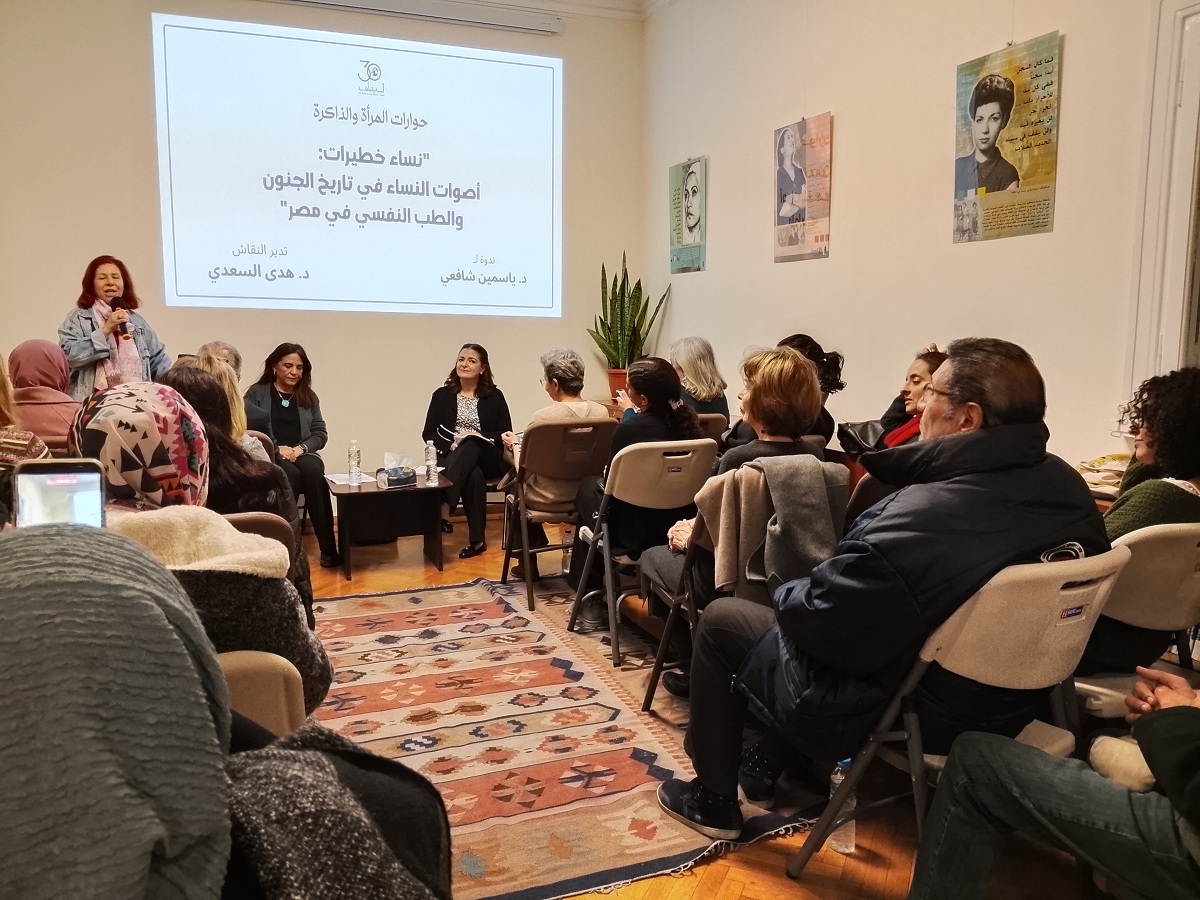
The Women and Memory Forum launched a seminar titled “Dangerous Women: Women’s Voices in the History of Madness and Psychiatry in Egypt,” presented by Dr Yasmine Shafei and moderated by Dr. Hoda El-Saadi. The event aimed to shed light on the history of psychiatry in Egypt and to highlight the contributions of Dr Samia Fahmy, a pioneering Egyptian psychologist.
Women’s Voices and the History of Madness
Dr El-Saadi opened the session by describing the Forum’s ongoing conversation series as an open space for frank discussion of topics relating to women, history, and memory. She praised Dr. Shafei’s rigorous research into the impact of colonialism on patients and their families in Egyptian psychiatric hospitals, and acknowledged the challenges posed by scarce primary sources and reliance on archival material.
El-Saadi framed the seminar’s central questions: Who were these women? Were they genuinely dangerous, or were they labelled as such by authority? And why did the authorities fear them? She also noted that women’s voices are largely absent from traditional historical sources, which tend to reflect only the perspectives of elite women.
The Asylum for the Insane
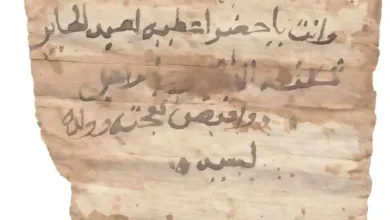
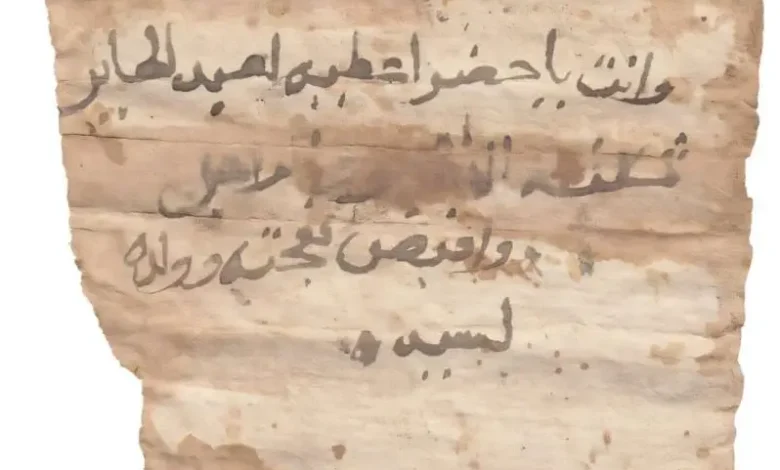
Dr Shafei opened with a case from 1884, in which a man named Muhammad Musa petitioned the court to secure the release of his daughter, Nafisa, from the Abbasiya Hospital for the Insane. In his petition, he stated that his daughter had never shown signs of madness; she had lived quietly for twelve years, visited local saints’ shrines on her own, and returned home without incident. She had been sent to the asylum along with the genuinely ill, despite no legitimate grounds for her admission. He asked the authorities to order her release and return her to the family’s custody, offering to take full legal responsibility for her.
The Cairo Police Commissioner forwarded the petition to the asylum’s chief physician, who ordered an examination. The assessment confirmed no mental disorder, and Nafisa was discharged to her father via the local police station.
A second case from the same year involved a man named Ibrahim, who petitioned the director of police on behalf of his elderly mother. He explained that she had been admitted to the asylum due to age-related illness, that her condition had since improved, and that he was requesting her discharge. He added that he was too poor to travel from Sharqia to visit her. The same procedures were followed, and his mother was released upon his signing a commitment to ensure ongoing home-based medical supervision.
Admission and Discharge Procedures
Shafei explained that the written commitment (or pledge) was a central legal instrument of the era. Standard procedure dictated that individuals deemed mentally ill were detained from public streets or spaces, then examined at a police station by a physician trained at Qasr El-Aini medical school,though not in psychiatry or mental illness specifically, but in general medicine. Consequently, British administrators at Abbasiya issued a directive requiring at least two certified physicians to assess and formally document a patient’s admission.
From the onset of the colonial period until approximately 1930, individuals could not present themselves voluntarily to the asylum. All admissions were processed through the police, and anyone collecting a relative upon discharge was required to sign a formal pledge. Shafei presented several such cases to illustrate how families navigated the system, emphasising that these documents are invaluable in reconstructing the history of psychiatry in Egypt and the broader Middle East — shedding light on hospital origins, medical staff, their training, and how patients of different ethnicities and nationalities were treated.
Challenges in Writing Psychiatric History
Shafei noted that psychiatric patients are often unable to speak or advocate for themselves, which makes recovering their voices all the more urgent. She identified two key problems with existing histories of psychiatry in Egypt: first, that most published work has drawn on foreign-language sources, leaving Arabic sources largely untapped; and second, that the field has been dominated by elite male perspectives, rendering marginalised patients and women in particular all but invisible. Petitions and informal letters, she argued, offer a rare window into the lived experiences of ordinary families and how they understood and responded to mental illness.
A Brief History of Psychiatric Institutions in Egypt
Shafei traced the institutional history of psychiatry in Egypt, beginning with the Bimaristan of Qalawun, founded in 1281 by Sultan al-Mansur Qalawun. This hospital offered free treatment to men and women equally, a commitment enshrined in its founding endowment. It provided care for mental illness alongside ophthalmology and other specialities, employed storytellers to soothe patients suffering from anxiety, and gave each discharged patient five dinars to ease their transition back into society. The institution survived for centuries, though conditions eventually deteriorated significantly.
During Napoleon’s expedition, the expedition’s physician, Dr Nicolai Rienief visited the institution and described appalling conditions. Under Muhammad Ali, medical priorities shifted toward army health services. Claude Bey was appointed to oversee public health, and in 1824 Muhammad Ali ordered the hospital transferred to Azbakiya. Financial pressures forced further moves, and patients were eventually housed in a warehouse in Bulaq under Said Pasha, before finally being relocated to Abbasiya.
By this time, British physicians visiting the Bulaq facility had documented the harsh treatment of patients, particularly women. Their reports generated considerable pressure that contributed to the transfer of patients to Abbasiya in 1880. The Abbasiya site had originally been a palace built by Khedive Abbas Helmi I for his family in the Ridaniya Desert, chosen for its dry, healthy air and painted red, hence its early name, the Red Palace. A fire later destroyed most of the complex, sparing only a two-storey building that became the hospital’s core. It was subsequently repainted yellow, earning the name the Yellow Palace.
Khanka Hospital
As patient numbers rose, a decision was made in 1905 to build a new facility. Khanka Hospital opened in 1912 in the desert outskirts east of Cairo, a remote location accessible by no proper road despite nearly eight years of construction. Shafei suggested the site’s isolation may have been deliberate: British physicians stationed there recorded their anxiety about being far from Cairo, and their fear of the public unrest that characterised the years surrounding the 1919 Revolution.
The Entanglement of Psychiatry and Politics
Shafei argued that the history of psychiatry cannot be separated from Egypt’s broader political, social, and cultural history. Diagnostic categories frequently reflected economic and colonial concerns rather than clinical realities. Three diagnoses accounted for the majority of psychiatric admissions: pellagra (a vitamin deficiency disease attributed, incorrectly, to wheat consumption among farmers); drug-related illness hashish and opium had been widely available in Egypt until the First World War and were not previously considered dangerous, but under British rule were reclassified as causes of mental disorder; and syphilis, which was associated with hallucinations and linked to dietary habits.
European Frameworks and the Displacement of Women
As patient numbers grew, the authorities differentiated between Abbasiya, which received new admissions, and Khanka, to which confirmed chronic cases were transferred. This shift came with a new social stigma — directed primarily at women, who were blamed for popular moral degeneracy and the perceived backwardness of the Egyptian nation. As a result, many women lost whatever informal networks of support they had once relied on, leaving the asylum as their only refuge. For the first time, they were treated exclusively by male physicians, and European medical frameworks began to shape their diagnosis and care.
This transformation was also visible in the fate of Muhammad Ali’s midwifery school, which had trained and employed women as healers across hospitals and health centres. After the British occupation, these women were progressively sidelined and replaced by British doctors and nurses.
Women Inside the Asylum
The asylum employed two categories of women: midwives and nurse-attendants. Those with formal training received four Egyptian pounds in salary for services related to women’s health. The nurse-attendants, however, received little training and were often referred to as servants. All physicians within the psychiatric hospital were male: no woman was appointed as a doctor until Egyptian women began enrolling in Qasr El-Aini Medical School in the 1920s.
The First Arabic Textbook on Psychiatry
Shafei turned to the question of how women patients were diagnosed by European-trained male physicians. She drew on A Physician’s Approach to the Art of Madness, written by Egyptian physician Dr. Suleiman Najati, a Qasr El-Aini graduate who studied in France and returned to practice at Abbasiya in 1887. The book served as the primary Arabic-language psychiatry textbook at Qasr El-Aini from 1892 to 1898.
The text reflected the prevailing European view that women were more susceptible to mental illness than men, attributing this vulnerability to puberty, menstruation, childbirth, breastfeeding, and menopause. Men, by contrast, were considered at risk only during puberty. The book also claimed that women were prone to emotional volatility, immodesty, and arrogance when mentally ill, and characterised them as prone to indifference, dishonesty, insomnia, and night terrors. It further asserted that women transmit mental illness to children at three times the rate of men. ideas that circulated widely in European medicine at the time.
Diagnostic Practice in the Asylum
Despite such theories in the wider culture, Shafei noted that within the hospital, patients were assessed primarily based on perceived danger rather than gender. Nevertheless, structural inequalities persisted: men were allocated superior beds, food, and rooms, and when overcrowding forced difficult decisions, male patients were prioritised for continued admission.
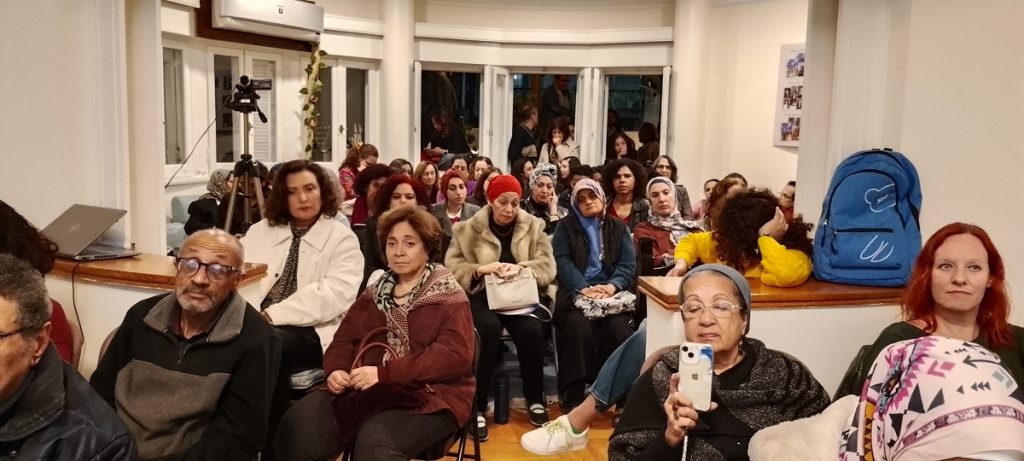
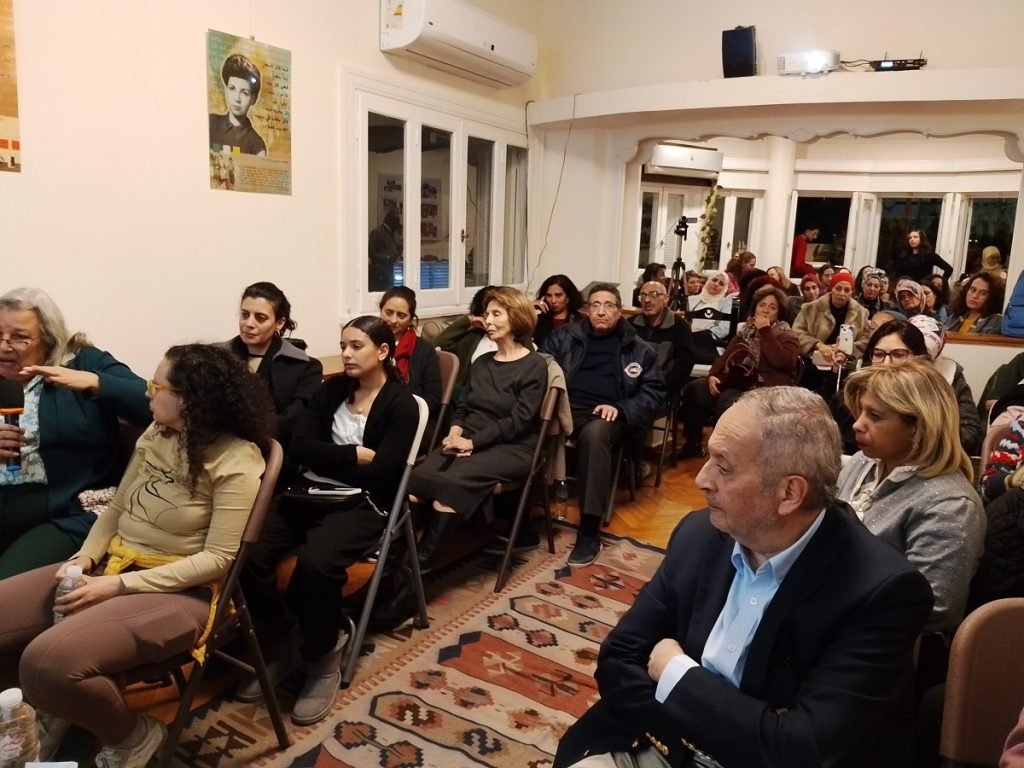
The seminar closed with an open discussion in which attendees raised questions about the history of psychiatry, mental illness, and madness in Egypt, with particular attention to the experiences of Egyptian women.
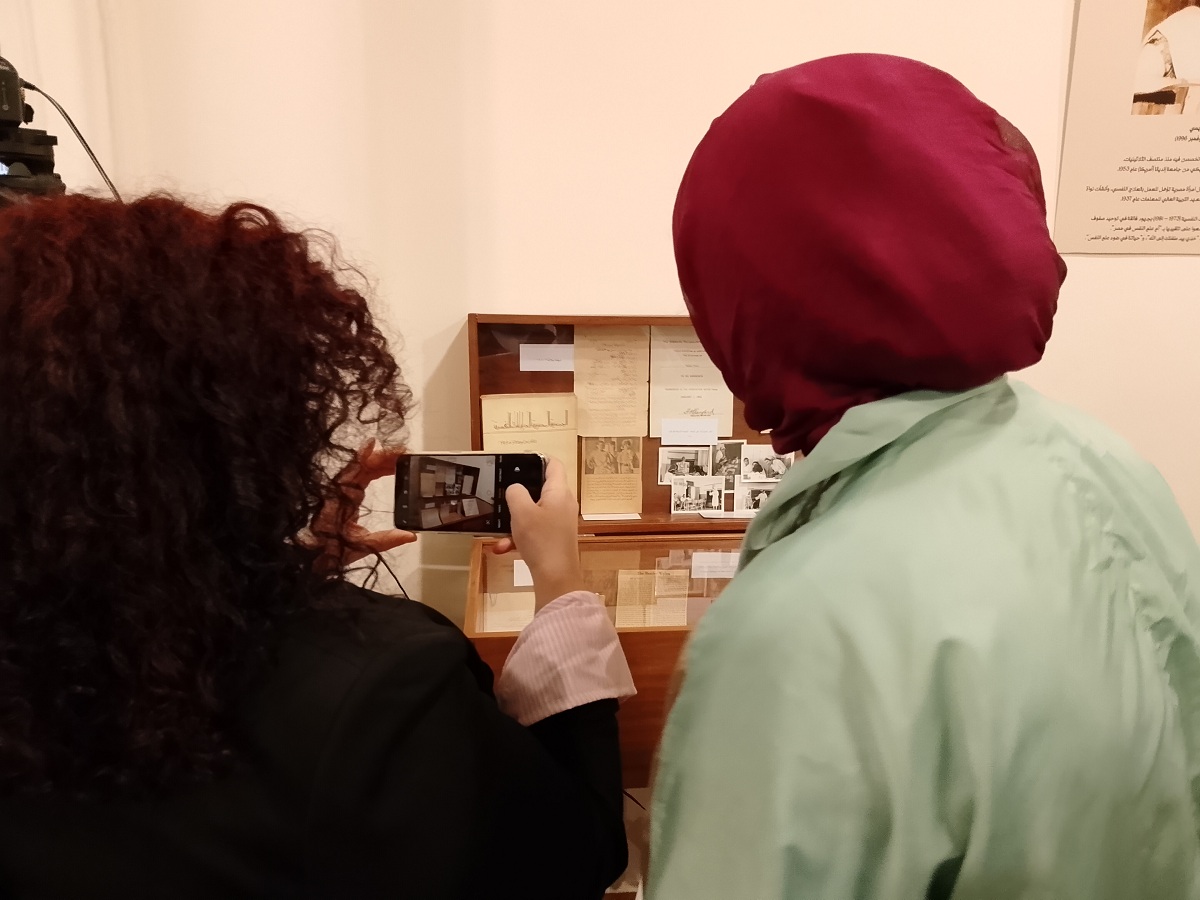
On the sidelines of the event, the Women and Memory Forum displayed a collection of personal papers and effects belonging to the late Dr Samia Fahmy, the pioneering Egyptian psychologist at the heart of the seminar, donated by her son, Ahmed Fawzi. The items included her birth certificate, identity card, handwritten papers, a letter to Malak Hifni Nasif, publications and articles, personal photographs, a commemorative shield from the National Guard, and other memorabilia.