Greater Cairo

Food in Egyptian Literature: Exploring Culinary Heritage

Discover how food shapes Egyptian literature from Naguib Mahfouz’s novels to ancient epics.
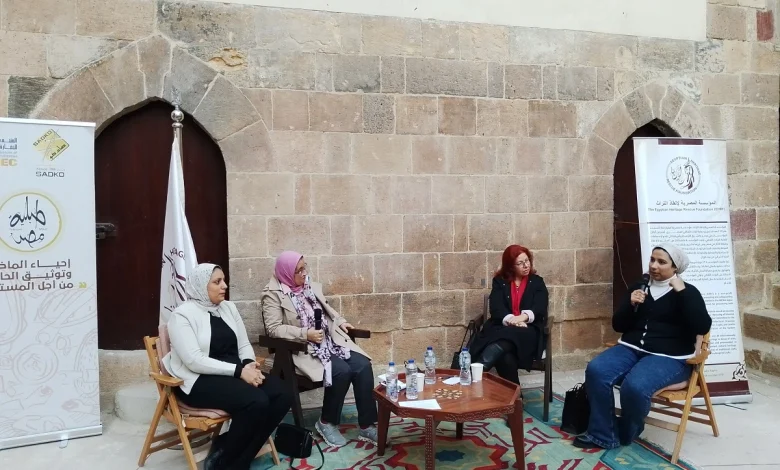
Bayt al-Razzaz recently hosted “Egypt’s Table,” a compelling discussion session exploring the intersection of food and Egyptian literature. Sponsored by SADCO Foundation and organised in collaboration with the Egyptian Foundation for Heritage Rescue, the event examined how Egyptian cuisine has evolved into a powerful narrative device expressing history, memory, and cultural identity.

Distinguished Panel of Literary Experts

The session featured prominent Egyptian scholars, including Dr Magda Mansour Hosny,Professor of English Literature at Ain Shams University Women’s College, alongside Dr Sherine El-Samit, Administrative Director of the Egyptian Foundation for Heritage Rescue. Also participating were Dr Monira Soliman, Professor of Comparative Literature at Cairo University, and Dr Nadia Taha Abdel Fattah, Supervisor of Islamic Heritage at the Supreme Council of Antiquities.

Egyptian Poetry and Culinary Traditions

Dr Magda Mansour opened the discussion with verses from the renowned Egyptian poet Fuad Haddad, whose work celebrates food’s place in Egyptian culture. The conversation traced Egyptian food literature chronologically, beginning with popular epics from the Mamluk era.

Food as Cultural Identity in Egyptian Popular Epics

The Civilisation-Building Power of Cuisine

Dr Sherine El-Samit emphasised food’s fundamental role in civilisation: “Food is a maker of civilisation—no civilisation exists without food. It distinguishes cooking specifically, and humanity in general, from other creatures. Food evolved from mere nourishment into a complex foundation from which civilisation arose.”

Bait Razzaz 2
Egypt’s Table at Bayt Al-Razzaz.. Photo: Heba Moawad

The Epic of al-Zahir Baybars: Food and Character Development

Egyptian popular epics, including the Hilali Epic and Dhat al-Himma, use food to reveal character. Dr. El-Samit highlighted The Epic of al-Zahir Baybars for its unique portrayal.

“Al-Zahir Baybars was remarkable,a ruler whom people genuinely loved despite his foreign origins. Egyptians transformed him from a Mamluk slave into one of their own, creating legendary stories and attributing Egyptian qualities to him, including food preferences.”

The epic depicts young Baybars experiencing hunger and vowing never to let people starve. Upon reaching Egypt, he adopted simple eating habits,bread with dukkah and fava beans,establishing him as an ascetic figure. This portrayal led Egyptians to attribute feasts to him, while his rival Aybak was characterised as gluttonous.

Naguib Mahfouz: Master of Egyptian Culinary Literature

Food as Social Commentary in Mahfouz’s Novels

Dr Nadia Taha Abdel Fattah explored Nobel laureate Naguib Mahfouz’s sophisticated use of food imagery. While famous for vivid place descriptions, Mahfouz incorporated intangible cultural elements—eating, drinking, clothing, and Egyptian traditions- throughout his works.

Ramadan Traditions in The Cairo Trilogy

In Palace Walk and Khan al-Khalili, Mahfouz portrayed middle-class Egyptian families preparing for Ramadan, which he called “the month of freedom.” His detailed descriptions capture preparing traditional Egyptian dishes, pre-Ramadan house cleaning rituals, family food dynamics and household management,including the rhythmic sound of Umm Hanafi’s bread kneading serving as the household’s alarm clock.

Egyptian Breakfast and Table Manners

Mahfouz’s character Amina prepares quintessential Egyptian breakfast spreads featuring ful medames (stewed fava beans), falafel (ta’ameya), and fresh morning-baked bread. His novels also document proper Egyptian table etiquette and social customs surrounding meals.

Food and Romance in Midaq Alley

In Midaq Alley, Mahfouz uses food to develop characters like wealthy merchant Salim Alwan, whose culinary preferences reveal his social status through dishes like stuffed pigeon with freekeh (roasted green wheat), stuffed vegetables and potatoes, and traditional Egyptian basbousa (semolina cake). The novel’s basbousa seller, exhausted after selling his last piece, exemplifies how Mahfouz connected food to daily Egyptian life and labor.

Bait Razzaz 3
Egypt’s Table at Bayt Al-Razzaz.. Photo: Heba Moawad

Understanding “Literature of Food” as a Distinct Genre

Differentiating Food References from Food Literature

Dr Monira Soliman clarified an important distinction in culinary literature. Not every literary work mentioning food qualifies as “literature of food.” Two categories exist in this realm of writing.

Writers like Naguib Mahfouz and Yahya Haqqi use food as a literary device to convey heritage, culture, and character development. In their works, food appears as one element among many narrative tools, enriching the story without becoming its central focus.

In contrast, the food literature genre positions cuisine at the very heart of the work. The entire narrative centres on cooking, ingredients, and culinary experiences. Food becomes a character itself, driving plot and theme rather than simply supporting them.

Egyptian Examples of Food Literature

Recent Egyptian works representing true food literature include Kohl and Cardamom by Omar Taher, The Strange Recipe by Mohamed Abu El-Naga, and Cooking for One by Amnia Talaat.

Case Study: Kohl and Cardamom

Omar Taher’s novel exemplifies food literature by making cuisine central to storytelling. The protagonist plans a meal for a girl he wishes to impress, deliberating between pasta, moussaka, and ultimately choosing mulukhiyah (jute leaf stew), Egypt’s most traditional dish, to signal intimacy and closeness.

Each dish carries specific cultural messages about relationships and social bonds in Egyptian society.

Case Study: Cooking for One

Amnia Talaat’s work explores how potato casserole reunites a fragmented family. A widow whose children have established independent lives uses her cooking to maintain family connections. The novel follows the complete cooking ritual, from shopping for ingredients through preparation steps to the act of cooking itself, while weaving in children’s nostalgic memories of her dishes. Food becomes the bridge connecting generations and preserving family bonds.

The Cultural Significance of Food in Egyptian Literature

Egyptian writers throughout history have recognised food’s power to preserve cultural heritage and traditional practices, define social class and economic status, express identity and belonging, build relationships and community, document historical periods through culinary habits, and convey emotions and character psychology.

Food as Egyptian Literary Tradition

From ancient epics to contemporary novels, Egyptian literature has consistently used food to explore deeper themes of identity, memory, and social structure. Whether in Naguib Mahfouz’s detailed descriptions of Cairo family meals or the ascetic portrayal of al-Zahir Baybars in popular epics, food serves as more than sustenance. It becomes a language expressing what it means to be Egyptian.

The “Egypt’s Table” discussion at Bayt al-Razzaz demonstrates continued scholarly interest in culinary literature, ensuring this rich tradition receives the academic attention it deserves.

Related Articles

Back to top button
BabMasr