Al-Qusayr Grain Storehouse: Egypt’s Abandoned Historic Trade Gateway to the Holy Sites
A Forgotten Monument That Once Fed the Holy Cities of Mecca and Medina
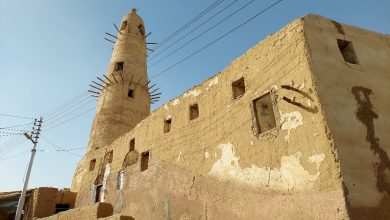
The historic grain storehouse (Shawnat al-Ghilal) in Al-Qusayr, Egypt, once served as a vital hub for international trade and the provisioning of Islam’s holiest sites. Today, this architectural treasure stands abandoned and neglected, its walls bearing witness to centuries of commerce, caravans, and the grain trade that connected Egypt to the Arabian Peninsula.
Historical Origins of the Al-Qusayr Grain Storehouse
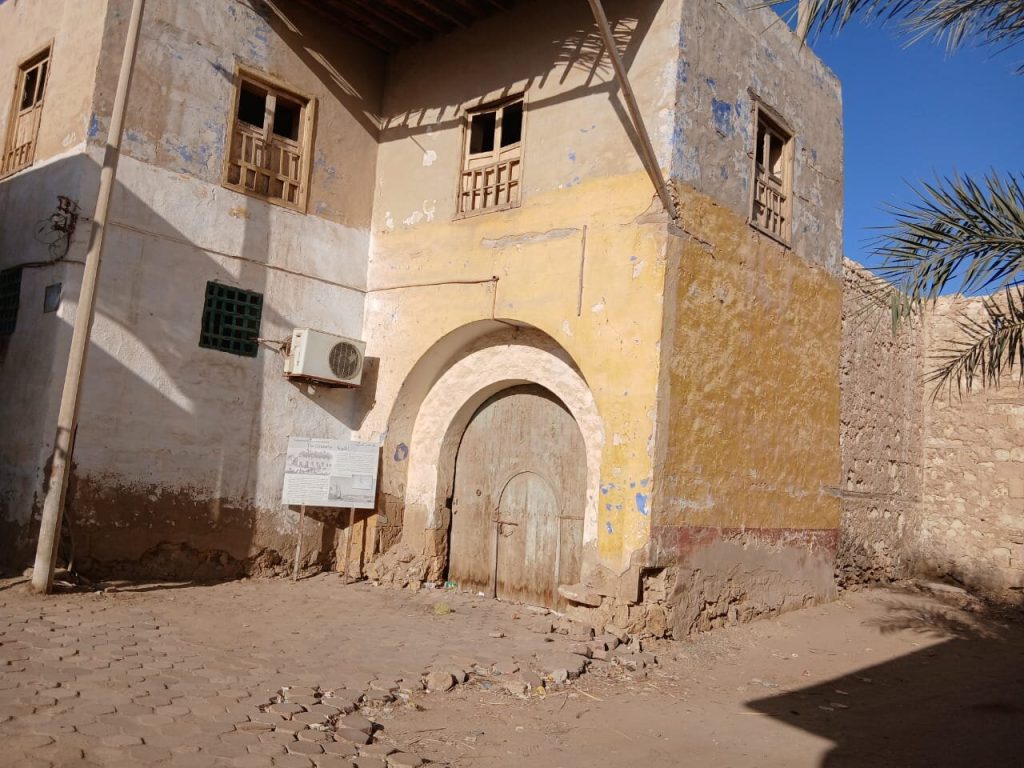
According to Kamal al-Din Hussein’s book “Know Your Country: A Brief Historical Guide to the City of Al-Qusayr,” the storehouse’s construction dates back to 1212 AH (1789-1797 CE), during the reign of Ottoman Sultan Selim III. A wooden inscription above the main entrance originally documented this date, though it has since been obscured by paint during renovation work.
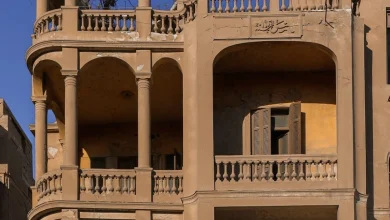
Beyond the main grain storehouse, Al-Qusayr housed additional storage facilities, including a camel storehouse with its entrance on Ramses Street, and a sheep storehouse on the main market street opposite the grain storehouse. These compounds featured wooden facades on upper floors with various inscriptions dating to the era of Khedive Muhammad Tawfiq, though some believe these plaques were relocated from other sites.
The Grain Export Trade: Egypt’s Commercial Golden Age
Adel Ayesh, Chairman of the Heritage Preservation Society in Al-Qusayr, explains that the storehouse was designed for grain storage and marketing. Grains were transported by boat to importing countries during Egypt’s golden age of agricultural exports, particularly wheat, lentils, fava beans, and barley destined for the Arabian Peninsula.
This commercial system relied on trade through Al-Qusayr port, which utilised caravans from the Nile Valley, especially from Qena. Each caravan consisted of no fewer than 1,000 camels loaded with grain, requiring three to four days to complete the journey across the desert.
Desert Trade Routes to the Red Sea
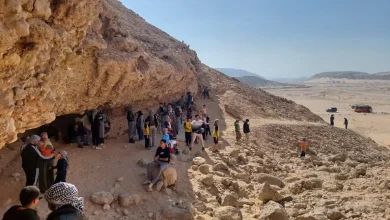
The caravans traversed multiple desert routes from Qena to the Bir Anbar area, passing through Wadi al-Laqayta and the ancient Wadi Hammamat route,one of the world’s oldest trade roads. They ultimately reached the Red Sea coast at Al-Qusayr, where grains were stored before being loaded onto ships.
Upon their return, these vessels carried spices, fabrics, dates, Yemeni coffee, and other products unavailable in Egypt. These goods were then transported to Qena and distributed to other governorates, especially Cairo and Giza, via the Nile River.
The Storehouse and Provisions for the Holy Cities (Mirat al-Haramayn)
Taha al-Jawahiri explains to Bab Masr that Al-Qusayr during this period functioned as a commercial city established by the British to facilitate trade with Arabia and India. Multiple storehouses existed for camels, sheep, and other commodities that were actively traded between Egypt and other nations.
Muhammad Ali Pasha utilized the grain storehouse, similar to Suez warehouses, to store provisions during his Arabian campaigns against the Wahhabis in 1811. More significantly, the facility played a crucial annual role in sending approximately nineteen tons of wheat, barley, and lentils in what was known as “Mirat al-Haramayn” (Provisions for the Two Holy Mosques), a tradition followed by Ottoman rulers who felt religious and moral responsibility toward the residents and visitors of the Hejaz, including pilgrims and permanent inhabitants.
The Ababda tribe played an essential role in guarding caravans arriving at the storehouse, renowned for their strength, bravery, and intimate knowledge of valley and mountain passages. Storehouse workers collected grains, including wheat, arranging them in piles within the storehouse courtyard.
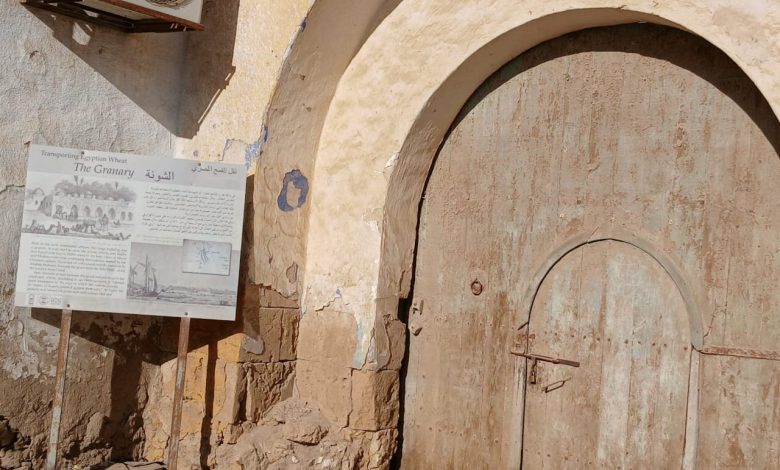
A plaque in front of the grain storehouse, dating to 1860, describes the operation: “Great hills of grain were formed, with workers climbing to their tops on wooden planks placed along the sides. In the evening, the storehouse was closed and sealed with a large clay seal to protect it from tampering.”
Architectural Location and Layout
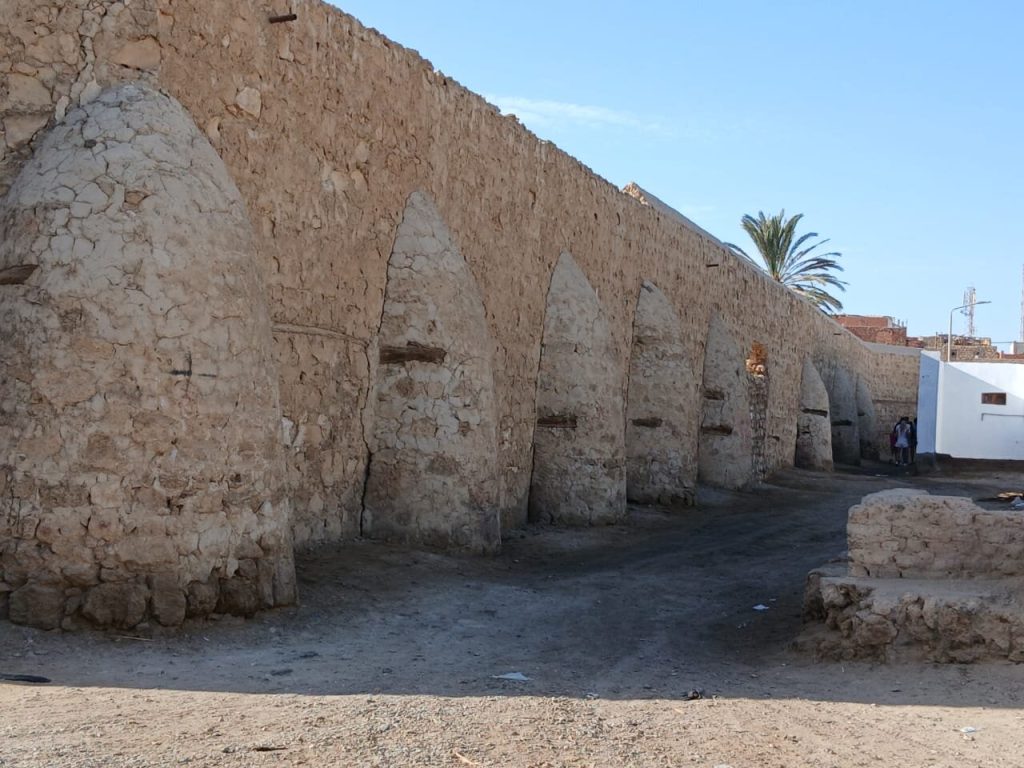
Dr Yasser Khalil, a native of Al-Qusayr, notes that the grain storehouse is located behind the government palace building, near the sea, with three facades. The northern facade adjoins houses on Al-Galaa Street, formerly known as Darb al-Samman. The western side contains the main entrance, while the southern facade overlooks Bandung Street, separating it from the government building. The eastern facade faces Abdul Khaliq Tharwat Street, which branches off from Bandung Street.
Administrative Structure and Staff Roles
The storehouse employed a complex hierarchy of officials and workers, each with clearly defined roles. The administrative apparatus operated under the governor’s supervision and included the storehouse superintendent (Nazir), the storehouse treasurer (Amin), the quarter supervisor (Muqaddam Rub’), the storehouse supervisor (Mubashir), and the chief porter (Sheikh al-Shayalin). Additional staff consisted of the gatekeeper and security guards, two clerks, measurers led by their chief (Sheikh al-Kayala), and porters led by their chief.
The grain silo. Photo: Esraa Mohareb
An Urgent Call for Restoration and Preservation
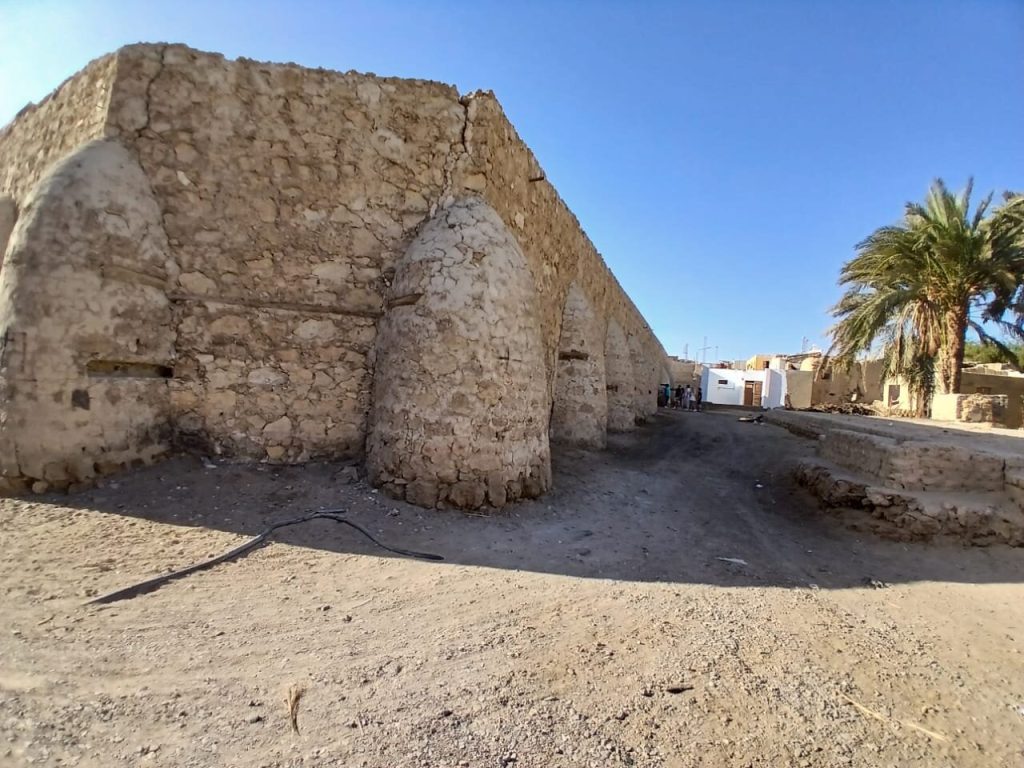
Taha al-Jawahiri expresses deep concern that despite its status as a historic and archaeological monument, the storehouse suffers from severe neglect that betrays its heritage. Once a gateway to international trade, it has been transformed into an abandoned space used for garbage disposal, with its walls vandalised, which damages its historical value and causes significant deterioration amid indifference from relevant state authorities responsible for preserving landmarks that document Egypt’s prominence and pivotal role during a significant historical period.
He calls for transforming the site into a complete historical destination similar to the Muhammad Ali Citadel, befitting its archaeological importance. This would restore its status as a significant testament to Egyptian history, making it a cultural and tourist attraction, a tangible record explaining Egypt’s heritage to future generations and connecting the present with the past.
The Historical Significance of Al-Qusayr Grain Storehouse
The Al-Qusayr grain storehouse represents a crucial chapter in Egypt’s commercial history and its relationship with the Islamic world. Built between 1789 and 1797 during the Ottoman Sultan Selim III’s reign, this monumental structure housed provisions for Mecca and Medina as part of the Mirat al-Haramayn tradition. The facility managed caravans of over 1,000 camels undertaking three to four day desert journeys, facilitating vital trade between Egypt, Arabia, and India via the Red Sea. Despite its immense historical importance, the storehouse currently stands abandoned and in urgent need of restoration and cultural preservation, deserving immediate attention and preservation efforts to protect this irreplaceable heritage site for future generations.