Rescuing the wall of “Beit al-Masagiri”… Suez restores the spirit to the ancient house
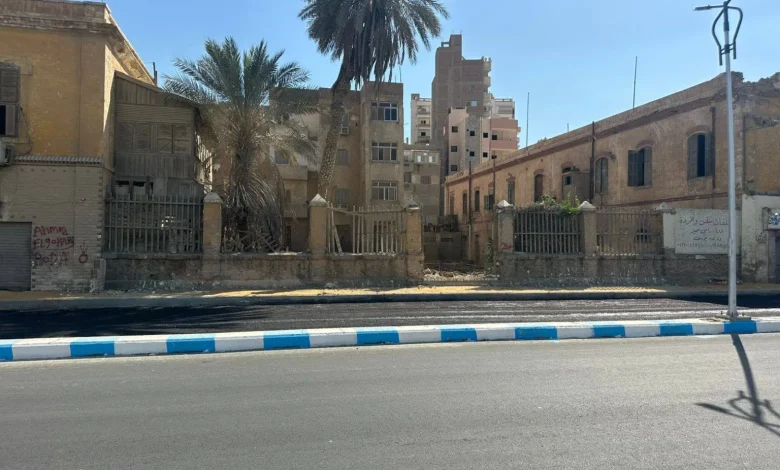
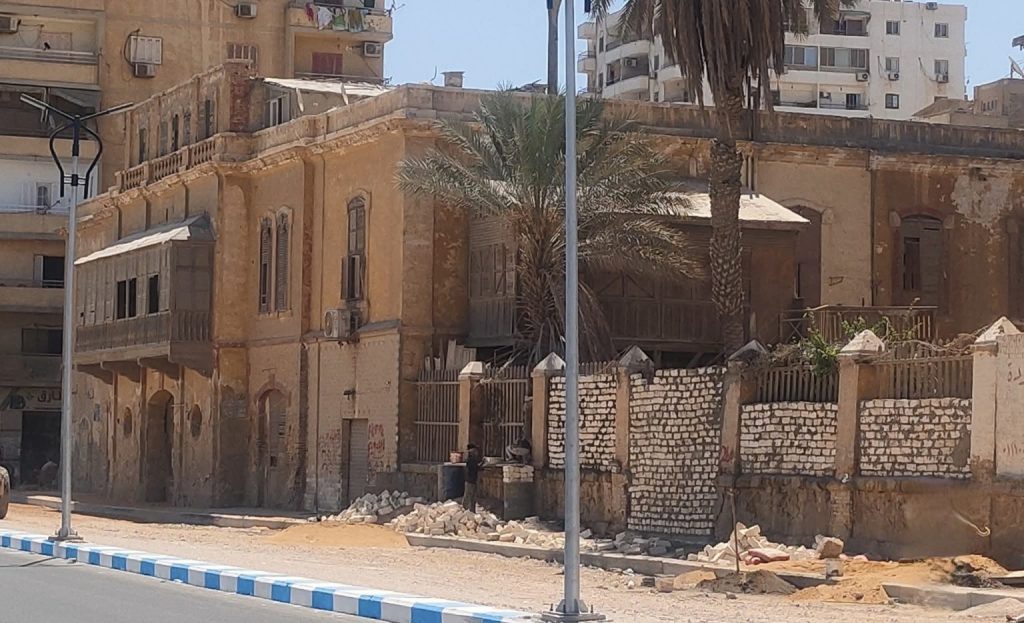
The Suez District Presidency removed what it described as cultural distortion in the wall of the Masagiri House building by demolishing a white brick wall built to fill a gap in the wall resulting from the collapse of the wood that made up the original wall.
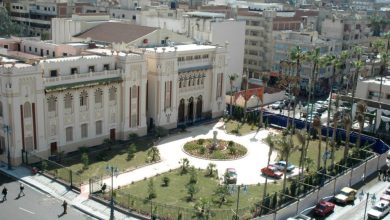
For those who don’t know, the Masagiri House is one of the oldest houses in Suez, built in 1862 as the headquarters of a French company called “Masagiri Maritime,” meaning “express mail.” It was a center for receiving letters and goods between the ports of the Red Sea and Suez.
What happened at the Masagiri House?
An official statement from the Suez District Presidency said: “A citizen committed an unacceptable act of vandalism on one of the walls of the Masagiri House, which is one of the historical and archaeological houses and landmarks in the Suez Governorate. This is unacceptable by all standards. The district president demanded urgent intervention, the implementation of legal measures, the removal of the violation by building the wall, the filing of a report, and the referral of the incident to the public prosecutor.”.
The statement reiterated that the attack on the wall was a clear violation. It was dealt with and referred to the competent authorities, emphasizing the need to protect the houses and archaeological landmarks in the governorate. It also appealed to citizens to preserve the historical heritage and take care to protect the city’s treasures.
Heritage houses in Suez
In a previous article by researcher Anwar Fath al-Bab published on the “Bab Masr” website, he said: “In the heritage houses of Suez, there are some that are threatened with extinction because they are not registered as historical monuments. Such as the church and monastery of the Romans adjacent to the Sidi Abdullah al-Gharib Mosque. And the house of Boutros Kassab, whose grandfather was the administrator of the Suez Customs Mosque during the time of Muhammad Ali on the old corniche. He also pointed out that the Masagiri Martim building and the ambulance building in Arbaeen Square have not yet been registered as monuments.
According to the article, in 1999, a committee formed by the Ministry of Culture and the Suez Governorate identified a group of palaces and historic houses in the Old Suez Corniche and Suez neighborhoods. The committee identified nine palaces, churches, and houses, which are: “Mohamed Ali Palace, Beit al-Masagiri, Shehata Selim Palace, Suez Canal Authority Villas, Arbaeen Police Station Building, Evangelical Church, Latin Church, Italian Church, and Al-Nasr Petroleum Company Villas.”
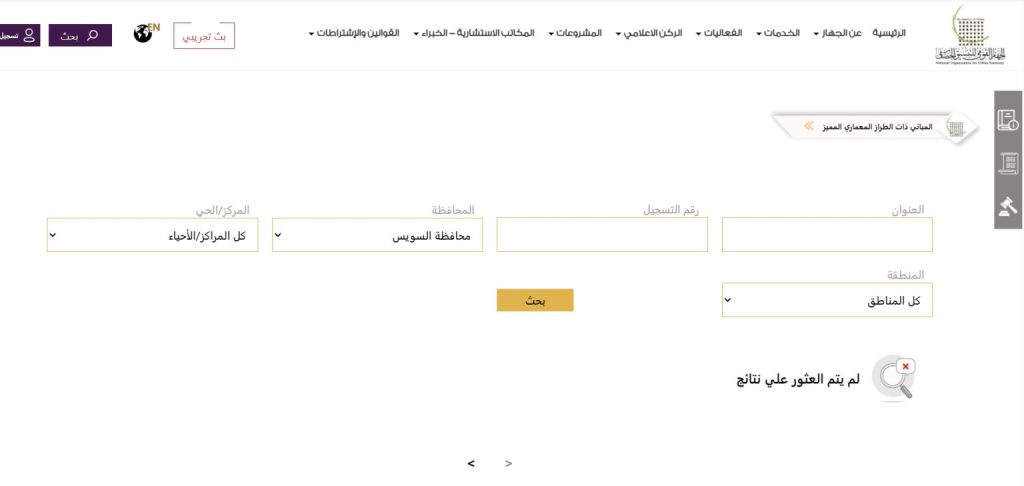
On the other hand, Bab Masr – Bahri searched for a record of the Masagiri House in the architectural heritage records on the official website of the National Organization for Cultural Coordination. We did not find any mention of Suez in the lists published on the internet.
Public interest and official response
The incident sparked interaction on the Suez Memory page, which is concerned with promoting tourism and archaeological sites in the city. Researcher Hossam Al-Hariri, who is responsible for the page, posted a video clip showing the encroachments on the wall of the garden adjacent to the Masagiri House.
In the video, Al-Hariri said: “What happened was a wrongful act by some residents on the Austrian Street side. It was not done by Hajj Amer Abdullah, a resident known to the residents of the house. The resident removed debris and waste from the garden attached to the building, then erected a white brick wall to prevent intruders from entering. After the bricks were removed with the knowledge of the neighborhood, it became clear that the original wooden fence was still there and had not been demolished. Therefore, we demand that the building and the fence be restored to their former state.”
He added: “We do not deny the supervisory responsibility of the neighborhood officials. They should have supervised, monitored, and dealt with the situation before the fence was completed. But thank God the original fence is still there, and we need to communicate with the National Organization for Urban Planning and Restoration to restore the facade of the house in the best possible way.”
Al-Hariri called on the Suez district administration to intervene to restore and maintain the garden of the Masagiri house. This is because they had previously requested additional fees from the residents of the house for cleaning the garden, which is a financial burden on the family living in the house. This is especially true given that the garden suffers from a sewage problem that could affect the building itself. He also emphasized the importance of the family residing in the house, considering that sustainable use serves the building as a monument or architectural model and preserves it through the use of its facilities.
Controversy over the registration of the building
In a previous report by Bab Masr – Bahri, Farouk Khazim, former director of the Tourism Promotion Authority in Suez, said: “Although Beit al-Masagiri is the oldest heritage building in Suez, dating back more than 200 years, it is not registered as an Islamic monument.”
He explained that the Permanent Committee for Antiquities visited the house in 1989 and included more than 30 archaeologists. They took turns visiting the house for more than two months, during which they examined all its corners and facilities. In the end, however, the committee concluded that there was no archaeological evidence to prove that the house was a historical monument. Nevertheless, the committee praised the structural condition of the house despite the passage of time.