Bahet AlFunun: Al-Qusayr’s First Safe Space for Creative Expression Transforms Red Sea Community
How a small initiative in Al-Qusayr is using art, writing, and storytelling to transform lives
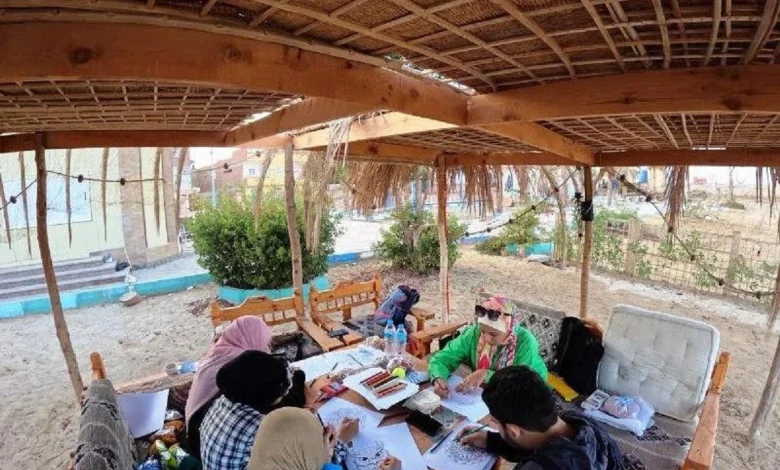
On the shore of the historic Red Sea port city of Al-Qusayr, a group of young people decided to transform the beach’s natural beauty into a space for self-expression and discovery. Through the “Bahet AlFunun for Heritage and Cultural Development and Training” initiative, they created the town’s first community-based creative space, offering free art, writing, and storytelling programs for all ages.
Located approximately 140 kilometres south of Hurghada, Al-Qusayr was once a major gateway for pilgrims travelling to Mecca and a thriving centre of trade. Now, Bahet AlFunun, which translates to “Courtyard of Arts,” is writing a new chapter in the town’s history by merging creativity with the community’s heritage.
From Psychology to Art Therapy
Osama Ibrahim, author and specialist in creativity and talent studies, founded the initiative drawing from his psychology background and current studies in art therapy. “The idea of Bahet AlFunun was born from my interest in writing from a very young age,” he explains. “I believe every person needs to know themselves. The arts are the closest and easiest path, whatever the art form: writing, storytelling, cinema, photography, drawing, colouring, handicrafts, or theatre. So I seek to help others discover themselves while also learning how to transform their talents into an income source that provides psychological and financial stability.”
After traveling frequently throughout Egypt’s governorates, Osama fell in love with Al-Qusayr during his first visit two years ago. He recognised the community’s deep need for arts and culture, drawing inspiration from his successful experience running an artistic workspace in Zagazig city from 2015 to 2020, where they produced storytelling performances, concerts, short films, and writing clubs.
Breaking Barriers Through Creative Expression
The courtyard operates through weekly activities including writing clubs, storytelling sessions, drawing and coloring workshops, and a cinema club. Unlike traditional educational settings, these sessions emphasize judgment-free expression. “In art there is no right or wrong, but rather it is a space for self-expression as it is,” Osama emphasizes.
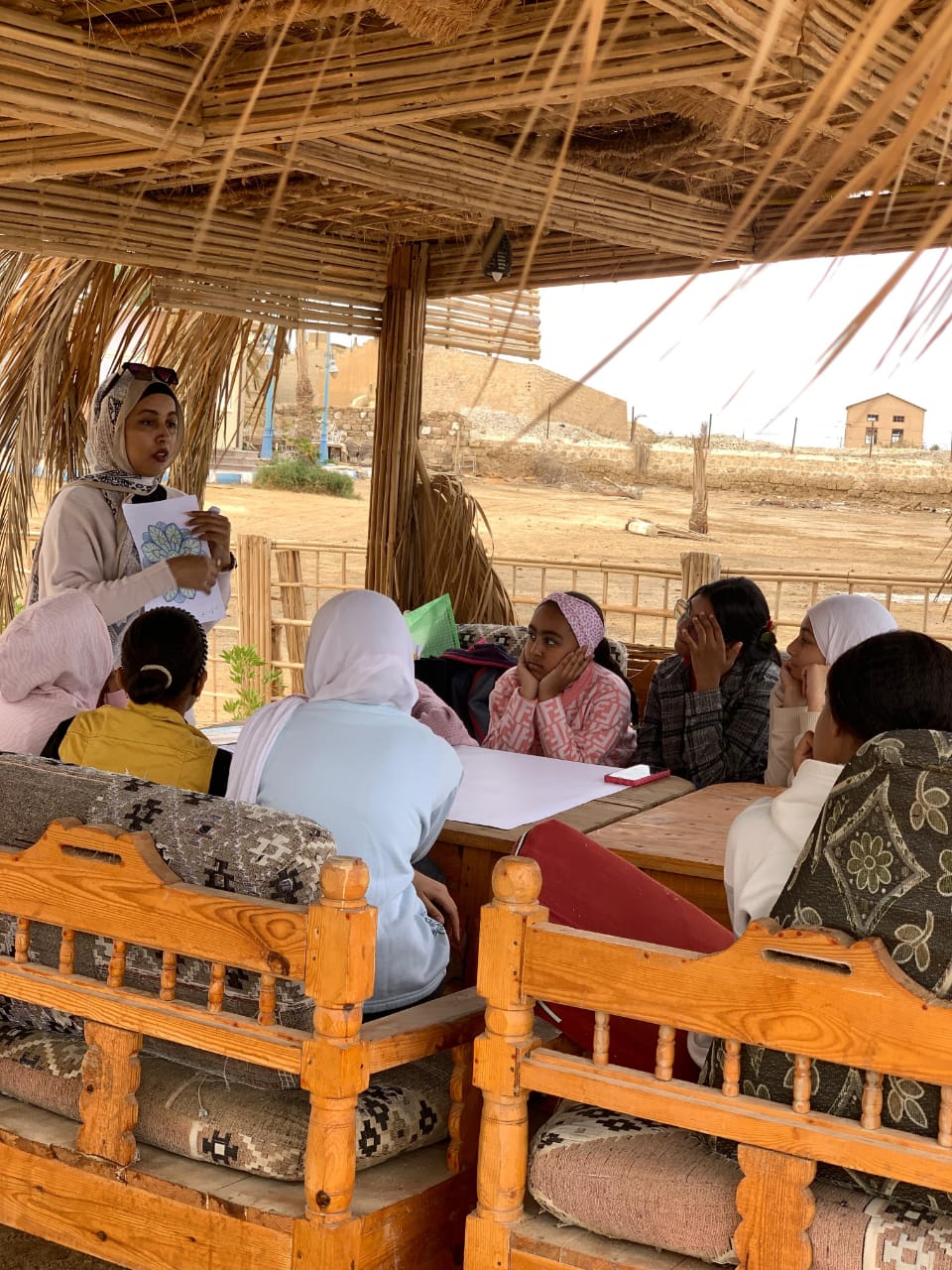
The storytelling club addresses topics like humanity, loss, and friendship through games, without interrupting participants or offering unsolicited advice. The approach focuses on emotional release rather than critique. Drawing and colouring sessions welcome people with no previous experience, aiming to release psychological pressures and help participants reconnect with their inner child.
The impact has been remarkable. “I never imagined I would sit with different people, write, then read what I wrote, and have others amazed by it,” one participant shared. Osama notes that the most important change is participants’ joy and amazement at their own work and their sense of accomplishment, which helps restore self-confidence.
Children at the Heart
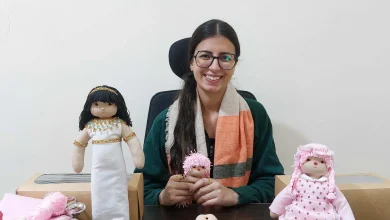
Shorouk Shaaban, a communications engineer responsible for youth programs, explains the initiative’s focus on children. “The courtyard proceeds from the belief that children in Al-Qusayr lack the means and space to fully explore themselves.”
With activities often restricted to playing ball, the need emerged for comprehensive programming. The courtyard’s philosophy is clear: every child carries talent and creativity inside, needing only space to express without judgments and a supportive environment to understand themselves and develop their abilities.
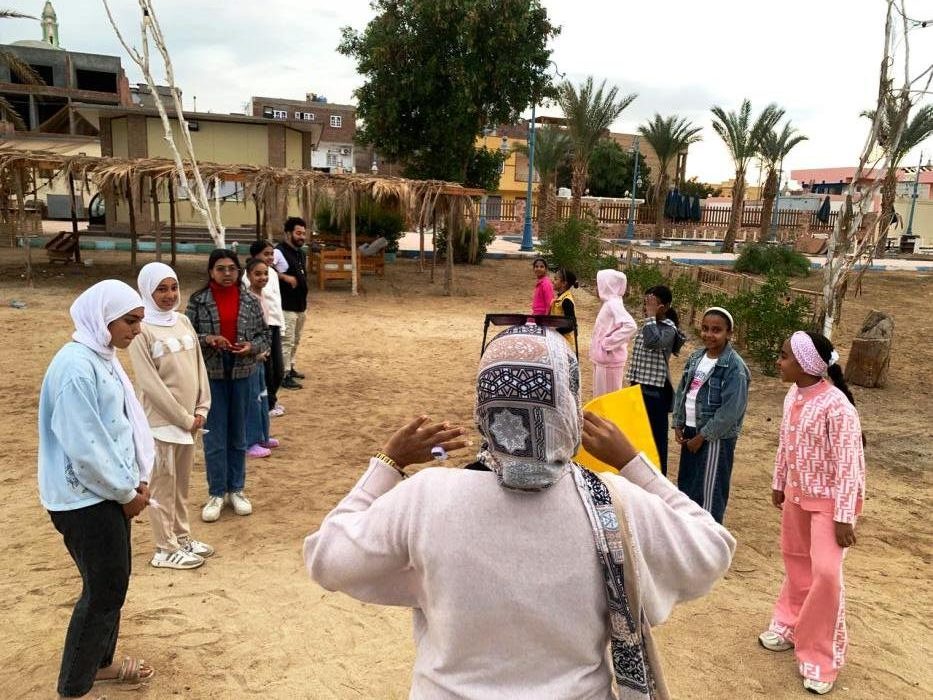
About 60 children have participated so far, with tangible results. Parents confirmed noticeable changes in their children’s personalities, with children becoming more self-confident and capable of expressing feelings. Intensive camps organised on Fridays and Saturdays, especially following exam periods, help release negative energy and assist creative children in recognising their goals and talents.
Grassroots Success and Future Vision
Operating entirely through volunteer efforts without official support, all activities remain completely free. The team consists entirely of Al-Qusayr residents: Hares Mohamed handles technology and participates in singing and comedy, Shorouk Shaaban manages children’s activities and camps, and Amira Tawfiq oversees organisation and scheduling.
The biggest challenge remains finding adequate space, with the current headquarters being very small. The team coordinates with the Heritage Preservation Association, Women’s Association, and Misr Public Library for larger events.
Success is evident in participant retention. Most who attend for the first time continue returning to writing clubs, storytelling sessions, or cinema club meetings. A cooperation protocol was recently signed with Al-Shorouk Sports Academy to merge art with sports and education, ensuring art isn’t isolated from other community activities.
Shorouk Shaaban reflects on the initiative’s growth: “On a broader level, the courtyard is no longer just a space for children but has become a community cultural project seeking change through inspiration, support, and attention to the arts.”
The project now enjoys broad support from Al-Qusayr residents, becoming a living model of what art can accomplish when given space and attention. As Osama concludes, he hopes the courtyard receives necessary support to enhance its community presence, while his team continues developing plans and mechanisms for serving the community through creative expression and cultural preservation.