Beneath the Palms: The Oases Residents Celebrate Sham El-Nessim
From the ancient springs of Kharga to the shade of hallowed date palms, discover how the residents of Egypt’s New Valley celebrate Sham El-Nessim. An exploration of oasis heritage, communal feasts, and the timeless rituals that bridge the gap between antiquity and the modern spring.
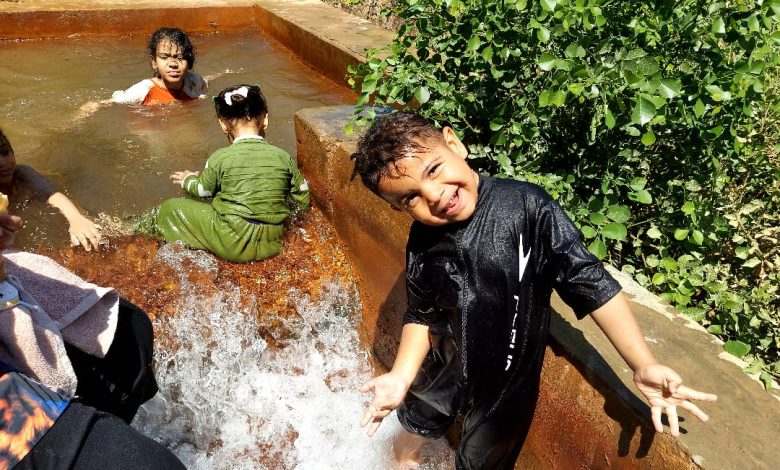
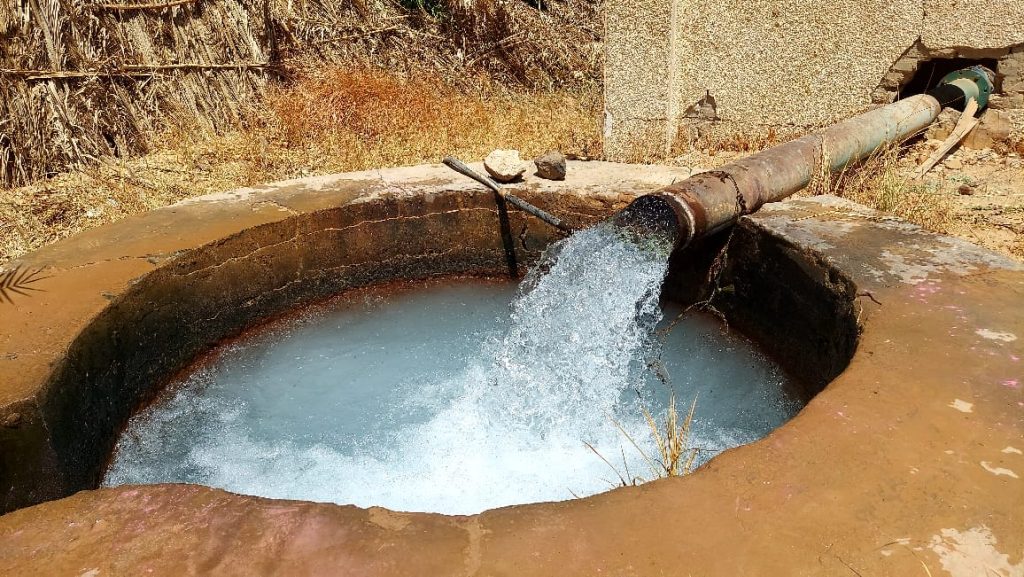
As the sun crests the horizon on the morning of Sham El-Nessim (the traditional Egyptian spring festival), a profound sense of jubilation blankets the New Valley Governorate. Seeking sanctuary from the urban clamor, city dwellers retreat to the “ghaytan” (ancestral farmlands), where the lush verdure and towering date palms converge with the rhythmic flow of artesian wells to compose a breathtaking natural tableau.
Psychological Solace and the Breaking of Routine
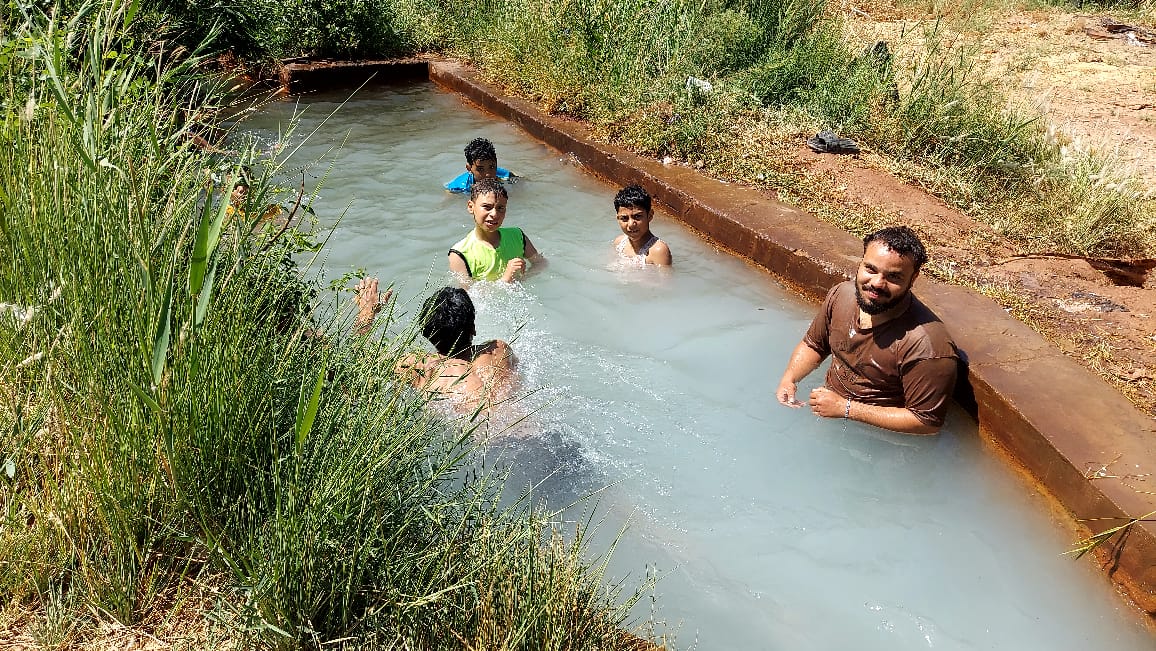
For the inhabitants of the province, venturing into the open wild is far more than a fleeting excursion. It is a hallowed ritual designed to restore psychological serenity and shatter the monotony of the everyday. Families congregate around the thermal springs and groundwater wells that define the five oases of the New Valley, fostering an environment where ancestral and social bonds are fortified. Here, neighbors and friends gather in a spirit of communal affection, a testament to the cohesive nature of an oasis society that tenaciously guards its cultural interiority against the encroaching tides of modernity.
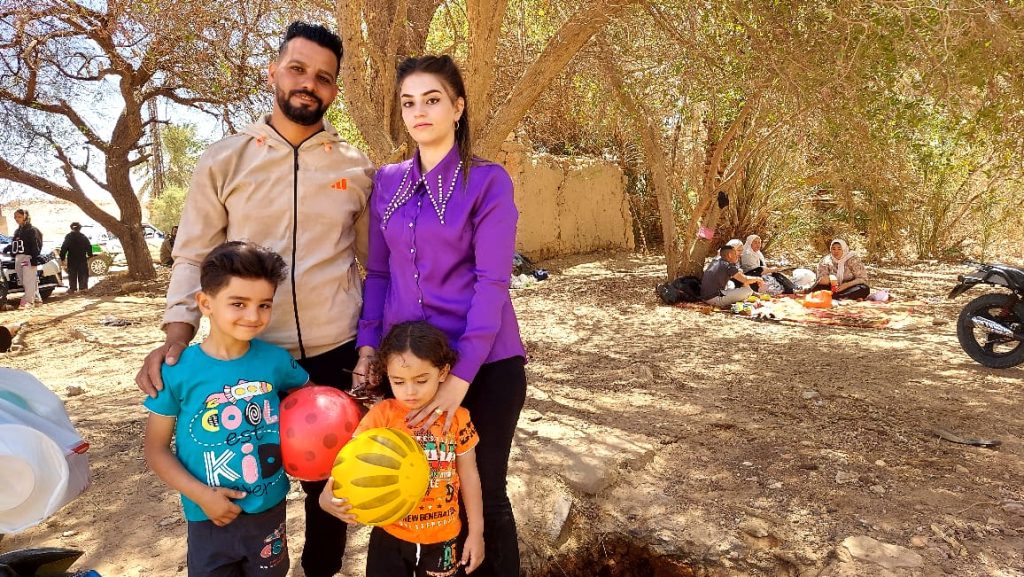
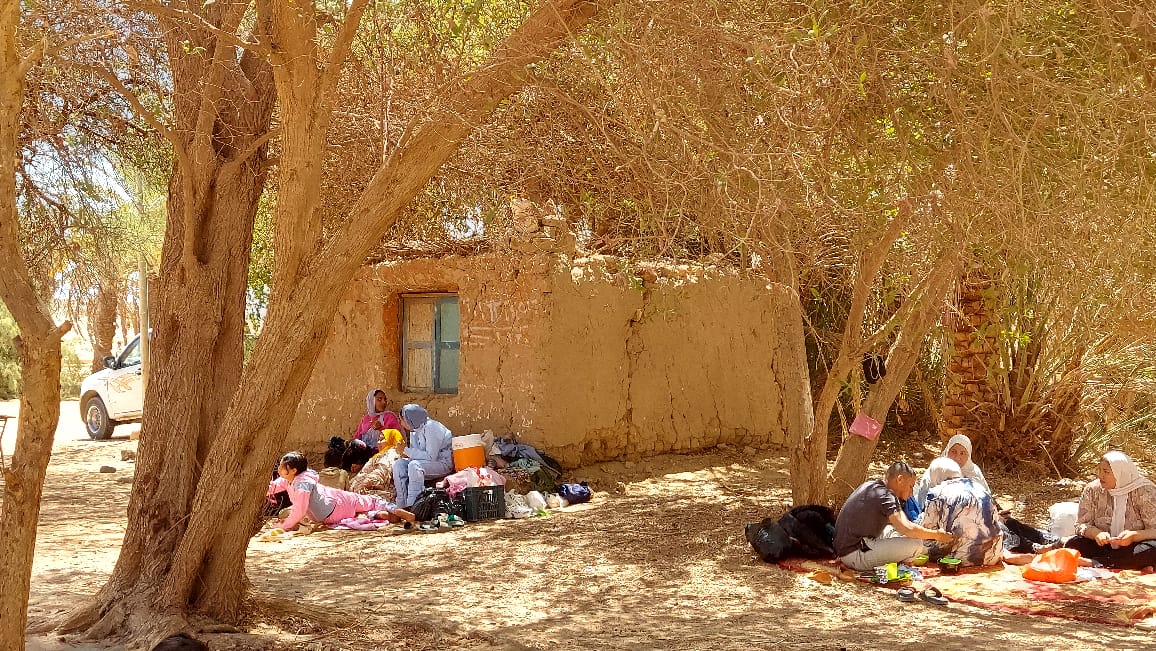
One cannot speak of spring celebrations in the New Valley without pausing at the “Wahat table,” the undisputed protagonist of the day. From the earliest hours of dawn, families journey toward the agricultural lands laden with “zawad” (meticulously prepared provisions). In this verdant setting, Coptic and Muslim families unite in a scene of national harmony, sharing laughter and sustenance beneath the cooling canopy of palms and beside the ancient wells.
The Culinary Altar of the Oases
Caroline Mamdouh, a resident of Kharga City, observes that the celebratory atmosphere in the New Valley possesses a singular charm found nowhere else. Having lived in Cairo for a time, she reflects that she never encountered the raw beauty inherent to her home province. She insists that the early morning pilgrimage to the fields and parks remains an essential rite for the rejuvenation of the soul.
She notes that brightly colored eggs remain the paramount symbol of joy, with neighbors exchanging their vibrantly dyed offerings. For many, this tradition follows a two month fast, serving as a visceral expression of the joy of Resurrection and the arrival of spring. The table is never truly complete without feseekh (fermented gray mullet), herring, and spring onions. Topped by “mahshi waraq enab” (stuffed grape leaves), which reigns supreme over the spring feast, the meal is anchored in the traditions of oasis society. Meanwhile, Adliya Muhammad, a resident of the Kharga district, describes the festivities as a bridge spanning the generations. “Our memories of our elders and our ancient history remain etched in our consciousness from the days of our youth,” she says. “We would go to our grandparents’ house, where life was simple and sublime, and then head to the fields. Before the day arrived, the women of the family would gather on the eve of the festival to prepare the stuffed vegetables in an atmosphere of deep intimacy. Our voices would rise with Souad Hosny’s anthem ‘The World is Spring,’ announcing to the desert that beauty has once again arrived in our oases.”
Bagawat and Nadoura: The Echo of Ancestors
Mohammed Al-Beirsi, a researcher in folklore and heritage, notes that the locals observe specific rituals when choosing their historic destinations during the spring holidays. Many prefer to journey toward sites dating back to antiquity, seeking a connection with the grandeur of their ancestors.
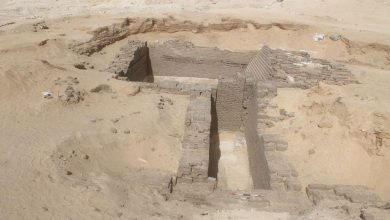
Chief among these landmarks is the archaeological necropolis of Al-Bagawat in Kharga. This unique site is encircled by majestic palms and dotted with sulfurous springs, creating a sanctuary where the scent of history mingles with the enchantment of nature.
Al-Beirsi adds that the archaeological site of “Nadoura” stands as another premier destination, offering a panoramic vista of the oasis bathed in spring light. During these days, residents find shade beneath the palms just as the “pollination season” begins. This period is regarded by the locals as a true treasure, marking the genesis of the harvest for the province’s most strategic crop: dates. Thus, celebrating spring here is a celebration of life itself, a recognition of growth and the enduring bond with a land that overflows with bounty.
A Communal Gift of Leisure
Eid Muslim, a local sculptor and director of the June 30th Garden in Kharga, observes that the festivities do not dissipate as the sun dips below the horizon. Instead, they transition into a new phase. Public gardens and parks across the districts of Kharga, Dakhla, Farafra, Paris, and Balat throw open their gates to the public free of charge. This initiative, directed by executive authorities, ensures a recreational haven for all social strata.
Youth centers also witness a massive influx of families who prefer to spend the final hours of the day engaged in sports and leisure activities. As the day concludes, the oases form a living portrait, reflecting the most refined expressions of Egypt’s authentic social fabric.