Samar’s dream turns into a library… Bayan, a cultural window in the heart of Luxor
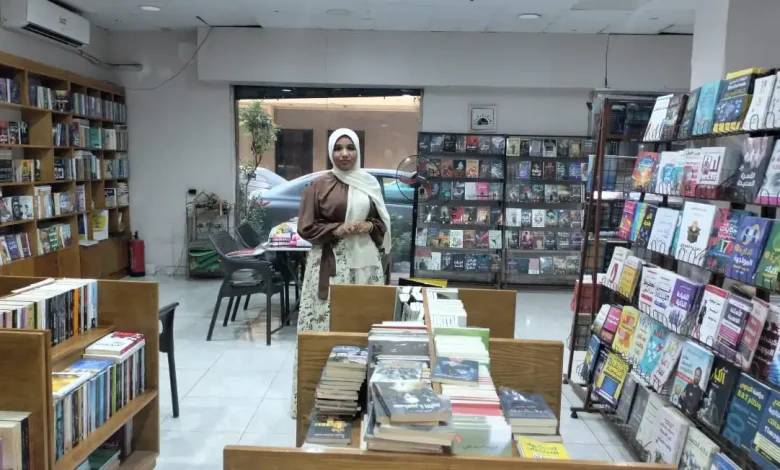
The city of Luxor is accustomed to welcoming visitors from around the world to enjoy its ancient monuments. In this city, which has almost no libraries, a young woman decided to offer her city another cultural dimension. Samar Mohamed, a graduate of the Faculty of Arts, Department of English, turned her passion for reading into a cultural project that serves the people of Luxor. Bayan was a library selling cultural books, struggling to survive amid low demand for books and low financial returns.
The beginning of the story
Samar talks about how she started and says, “The idea came after the January 25 revolution, when I noticed that interest in reading had returned to the forefront, especially novels and stories. My first dream was to establish a small café-style space dedicated to girls for reading, but over time the idea evolved into a project for a bookstore that sells books and makes them available to the public.“
She adds: ”Luxor is a governorate with no real bookstores, so I felt that establishing a bookstore would be a different and inspiring step.”
A modest beginning and a first attempt
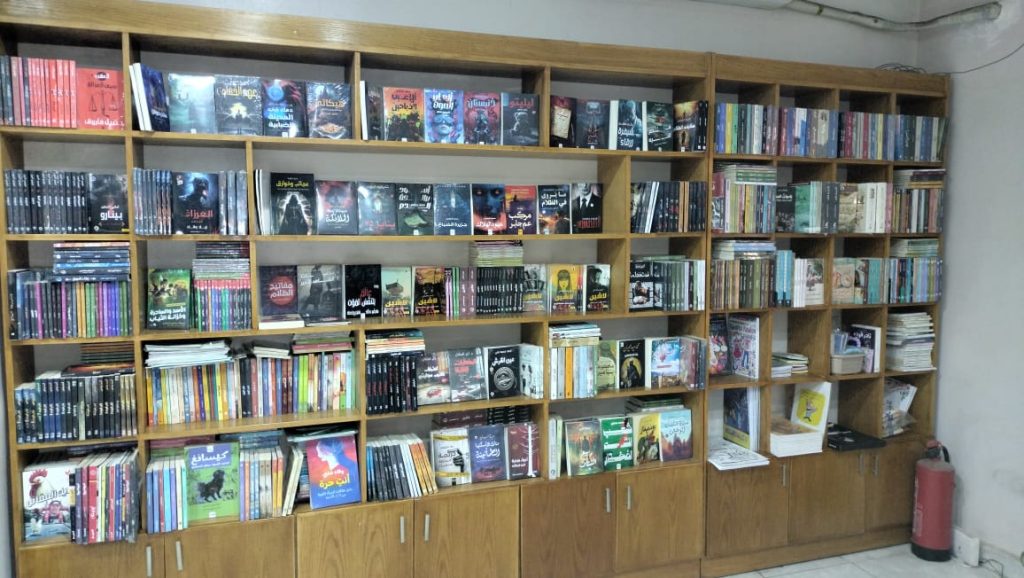
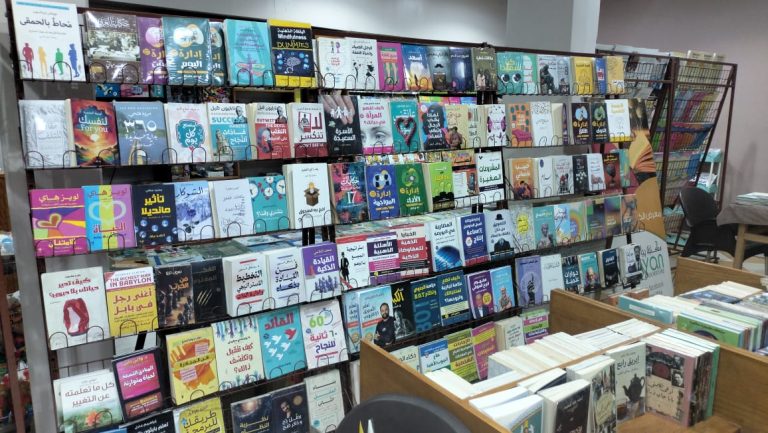
In 2014, Samar decided to put her idea into practice and set up a small bookshop on an obscure side street. Despite her enthusiasm, the bookshop did not achieve the expected success due to its inconvenient location and lack of customers.
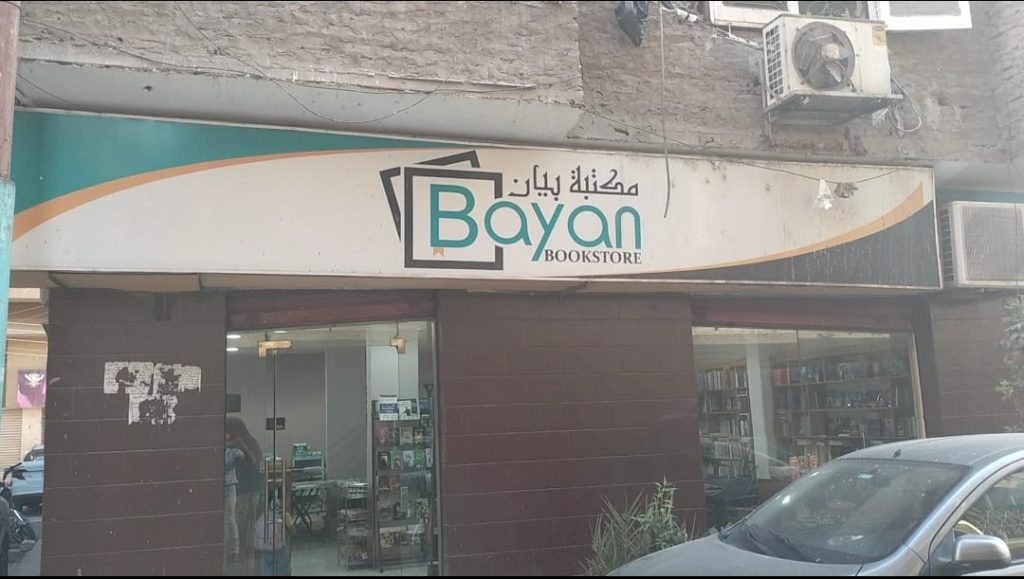
However, she did not despair. Instead, she considered the first experience to be practical training that allowed her to rearrange her priorities, so she searched for a more vibrant location. Indeed, she opened a new branch on the famous Ali Bin Talib Street in the center of Luxor. With this change, the bookstore began to spread its wings, and social media helped it attract attention and expand its circle of followers and customers.
A limited but loyal audience
Despite the scarcity of bookstores in Luxor, the book market remains limited. Samar acknowledges this, saying: “My core audience is real book lovers who come regularly. They know the value of books and are keen to buy new releases, but there aren’t enough of them to make a big profit.”
She continues: “I am against exploiting readers. Books should be available to everyone at the same price set by the publisher.”
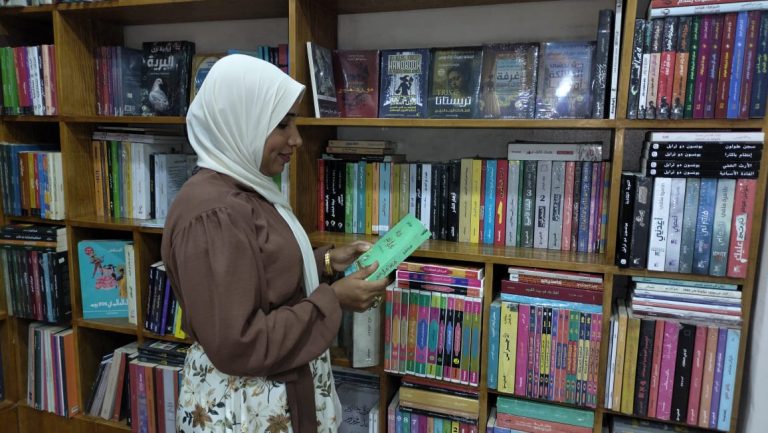
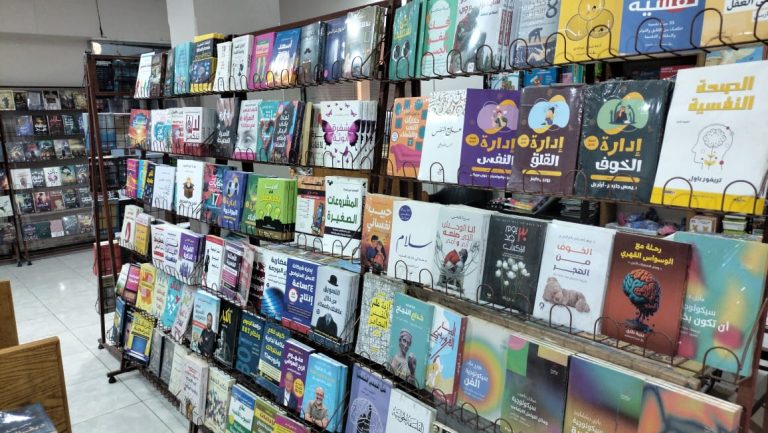
Bayan Bookstore is known for its transparency in dealing with customers. Samar is keen to sell books at the price set by publishers in Cairo without any increase for transportation costs, unlike some bookstores that raise prices on the pretext of shipping books to Upper Egypt governorates.
International support and opportunities
Samar’s journey has not been easy, but fate has given her important opportunities that have helped her persevere. One day, she read an advertisement for a grant offered by the Goethe Institute to support cultural entrepreneurs, so she submitted her project and won the grant. This victory opened new doors for her, as she traveled to Sweden and Germany to receive training on cultural project management and cultural exchange.
She says of this experience: “It increased my self-confidence and gave me new ideas for developing my project. It also taught me that culture is not a luxury, but the foundation of social progress. I realized that what I am doing in Luxor is important, even if it is simple.”
Various events and activities
Samar did not stop at selling books; she turned her library into a platform for cultural activity. She participated in 16 book fairs in Luxor and Qena and organized numerous events, most notably:
A monthly reading club to discuss a book chosen by the participants, an English language club to develop language skills through dialogue and discussion, and various cultural workshops and seminars, mainly targeting young people. These activities have made her library an interactive space where reading enthusiasts meet and exchange ideas in a friendly atmosphere.
Ongoing challenges
Despite small successes, challenges remain. Samar emphasizes that the project is not generating the expected profits because the book market is already struggling in most governorates, let alone a small one like Luxor. She also runs the library on her own because she cannot afford to hire additional staff.
But she says with a smile: “The dream is bigger than the difficulties. As long as there are readers buying books, I have to continue.”
Social media… a window for expansion
Samar believes that her relative success is due to social media, which has kept her in constant contact with her readers and helped her learn about the latest books in demand in the market. Her Facebook page, “Bayan Book Store,” has become a platform for marketing and communicating with readers from different governorates.
Hope for the future
Despite the challenges, Samar continues to hold on to her dream. For her, the bookstore is not just a business venture, but a mission to spread the culture of reading in a great tourist city like Luxor.
She concludes by saying, “I believe that books will always have their audience, no matter how times change. No matter what difficulties I face, I will continue so that I can leave a mark on my city.”