
Al-Qusayr Dried Fish: Egypt’s Ancient Winter Tradition from Pharaonic Times to Eid al-Fitr
How a 3,000-Year-Old Fish Preservation Method survives in Egypt’s Red Sea coastal city
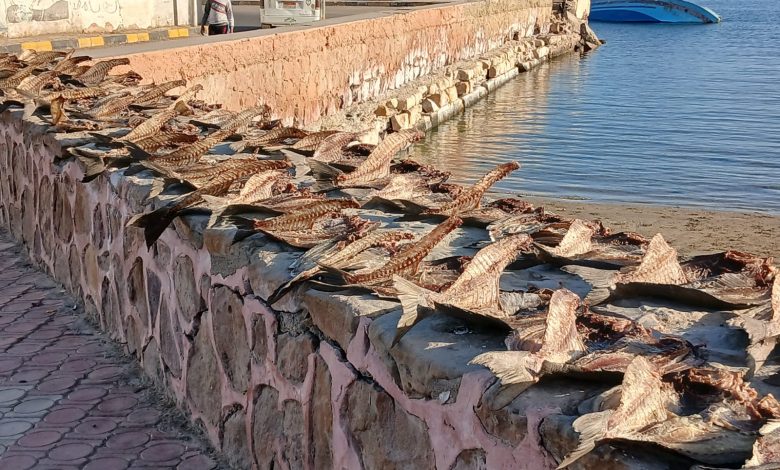
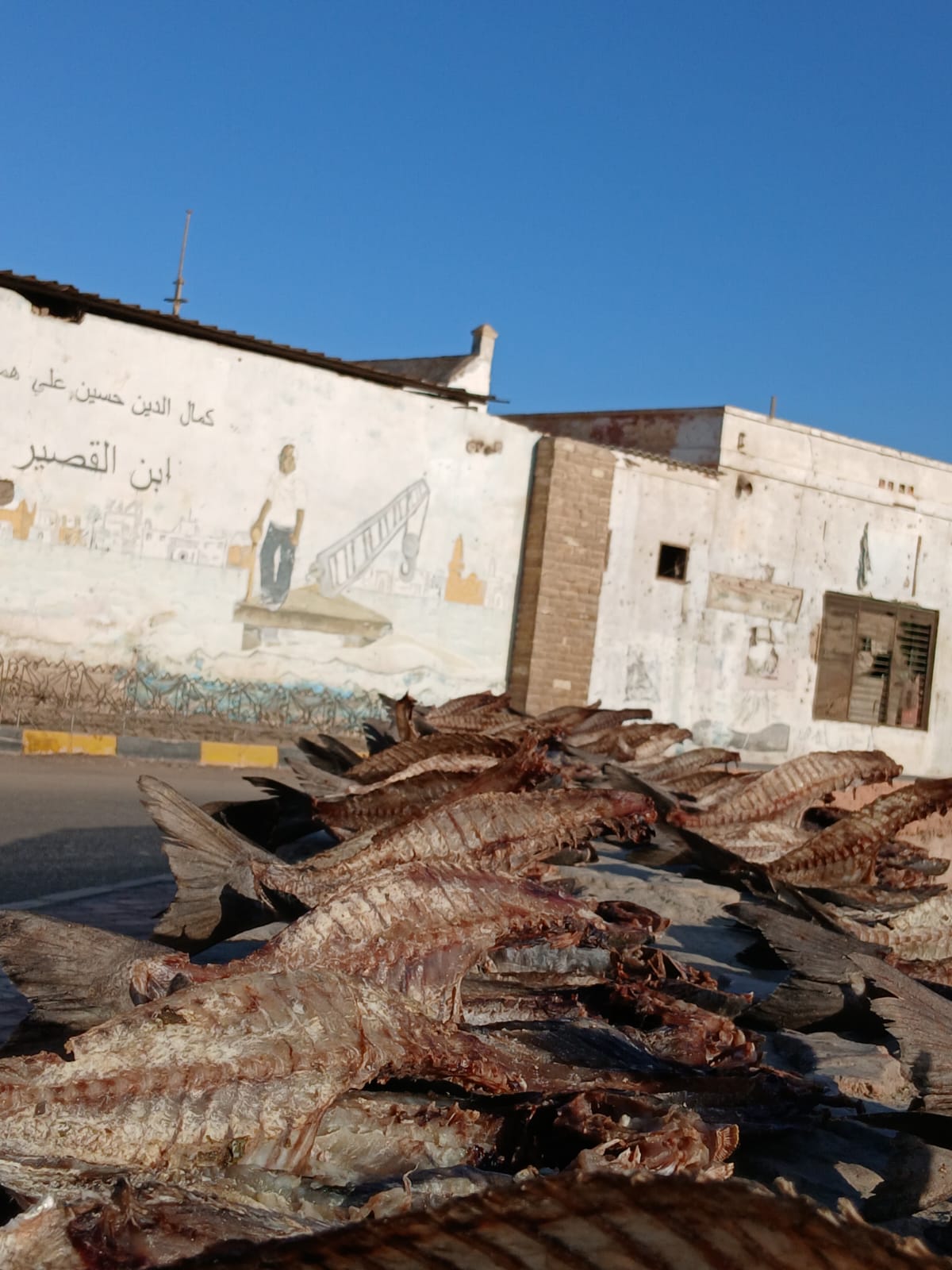
During winter months, the Red Sea coastal city of Al-Qusayr witnesses its annual dried fish season, known locally as “samak nashef” (dried fish). This practice represents one of the most famous dishes passed down through generations in the city. The dish remains a constant presence on Al-Qusayr dining tables and never leaves fish market stalls from the beginning of winter season. City streets fill with fish hanging at various drying stages outside shops and market stalls, creating scenes that reflect an ancient heritage connected to Red Sea winters and Eid al-Fitr celebrations (the holiday marking the end of Ramadan, Islam’s month of fasting).
What is Samak Nashef? Egypt’s Traditional Dried Fish
Preparations for drying fish in Al-Qusayr begin at the start of Rajab month (the seventh month in the Islamic lunar calendar, typically occurring about two months before Ramadan). This timing ensures the fish will be ready for sale two or three days before Eid al-Fitr. Despite variations in spices and serving methods from one region to another, the craft of dried fish remains one of the most important culinary heritages expressing Al-Qusayr’s essence. Modern foods have not succeeded in displacing it from Red Sea tables or erasing it from local memory.
How to Make Traditional Egyptian Dried Fish: Step-by-Step Process
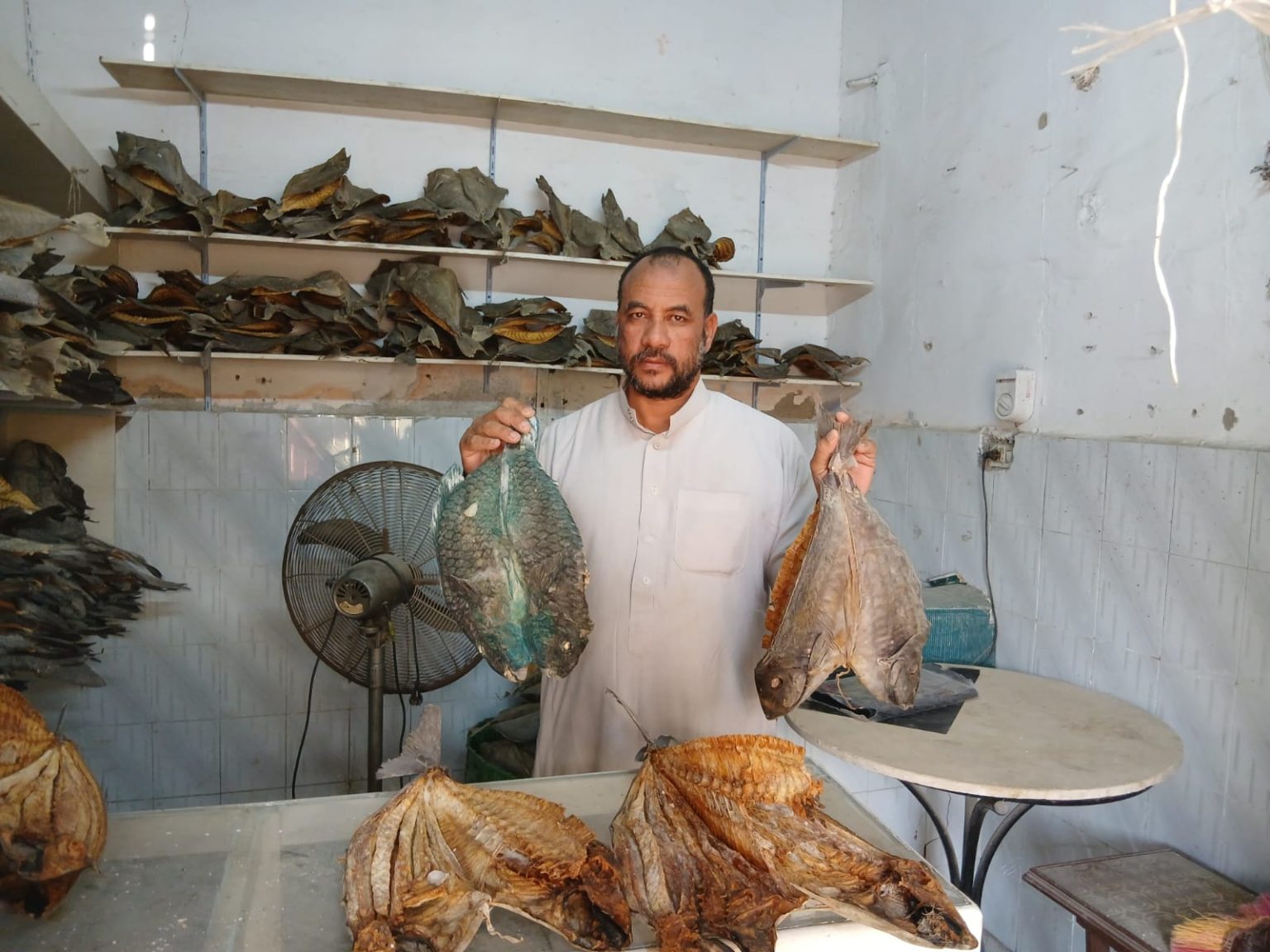
Metwally Mohamed Metwally, an Al-Qusayr native and owner of shops specializing in dried fish sales, explains the details of this craft inherited by the city’s residents over the years. The drying process begins after bringing fish from the sea by splitting each fish into two halves. The fish is then pressed thoroughly with salt and left for a full day until saturated. After this salting period, the fish is washed with seawater and spread under the sun for three days to one week, depending on weather conditions and fish type.
Why Dried Fish is Essential for Eid al-Fitr in Red Sea Egypt
After completing the drying stage, the fish is stored in burlap sacks to remain suitable until the selling season, concentrated in winter and the first days of Eid al-Fitr. Residents are eager to eat it as a traditional dish connected to ancient dietary customs. According to popular heritage, ancestors believed it played an important role in “binding the stomach” and strengthening it after fasting during Ramadan.
Khaled Taghyan, another Al-Qusayr resident, notes that the dried fish recipe is linked in people’s minds with holidays, family warmth, and gathering relatives during Eid days. Beyond this social function, it transmits a long history of experience and knowledge from ancestors who chose suitable fish types for drying, determined the amount of salt and number of days for sun exposure, and developed cooking methods that give the dish a special taste expressing the city’s coastal nature.
Traditional Red Sea Fish Dishes: Sayadia and Beyond
Taha Hussein Al-Jawahiri mentions in his book about Al-Qusayr’s history that the city’s residents excel in preparing various fish dishes, topped by Sayadia, a traditional dish of fish and rice cooked with browned onions. This dish is also famous on the eastern coast of the Red Sea, though each region has its own method of selecting spices and available fish types.
Alongside Sayadia, dried fish (samak nashef) distinguishes Al-Qusayr’s cuisine. This dish is uncommon in other Egyptian regions and has been famous among Al-Qusayr residents since ancient times. It is typically eaten on Eid al-Fitr day and throughout winter. The fish is salted and dried, then cooked either by boiling or baking in the oven.
Pharaonic Fish Preservation: 3,000 Years of Egyptian Culinary History
Metwally explains that the history of fish drying in Al-Qusayr dates back to pharaonic Egypt. Ancient Egyptians resorted to this method for fish preservation and sometimes buried fish in sand on the beach to protect them before extracting them for consumption. This technique originated with ancient fishermen who spent long months on fishing expeditions without modern means of fish preservation.
Therefore, fishermen had to open fish in a specific way and place it in salt for a period, then leave it to dry under the sun. Not all fish types are suitable for drying. Ideal types for this purpose include hareed (parrotfish) and sha’our (bream species).
Egyptian Dried Fish Recipe: How to Cook Samak Nashef
The method of preparing dried fish for cooking begins two days before Eid al-Fitr by soaking it in water for a full day. It is then cooked with sauce, tomatoes, green peppers, and spices in what is known as “tasbika” (a cooking method creating a thick sauce). The tasbika is prepared from onions, tomatoes, and sauce. The fish is cleaned of skin and bones before being placed in the tasbika. This meal is consumed in the morning after Eid prayers.
Best Fish for Drying in Egypt: Types, Prices, and Quality
Metwally notes that the fish drying process increases its phosphorus content by approximately 300%, bringing its nutritional value close to that of shrimp. There are many types of dried fish, including “abu qarn bikkar” and “abu qarn regular” (types of triggerfish). These varieties are rich in meat that can be separated and eaten as appetizers or “tasali” (snacks) while dry.
The most requested and highest priced type is hareed fish (parrotfish), where one kilogram can reach approximately 800 Egyptian pounds (roughly $16 USD). This is followed by samar fish, then abu qarn fish.
Red Sea Fishing Communities and Seasonal Traditions
Ayman Taha Khalil, one of the fishermen, explains that from the beginning of Rajab month until the arrival of blessed Eid al-Fitr, fishermen begin preparing their supplies and drying the required quantities of salted fish in preparation for the season coinciding with Eid al-Fitr. Red Sea Governorate residents from north to south are keen on preparing dried fish casseroles during Eid days as a way of conditioning the stomach after fasting for a full month, as their ancestors were accustomed to doing.
He adds that they grew up believing in dried fish’s importance for soothing and toughening the stomach, preparing it to return to a natural dietary system and daily meals after becoming accustomed to fasting for thirty days during the holy month of Ramadan.