
From the Holy Nativity Scene to the Christmas Tree: The Rituals of Coptic Christmas in Qena
Ancient rituals and modern celebrations blend in Upper Egypt’s Coptic Christmas observances
Introduction to Coptic Christmas Traditions in Upper Egypt
In the homes and churches throughout Qena Governorate in Upper Egypt, the Holy Nativity Scene (also called the Holy Manger) takes centre stage in preparations for Coptic Christmas. Egyptian Christians celebrate Christmas on January 7th according to the Coptic Orthodox calendar. The nativity scene is brought to life through handcrafted figurines that tell the story of Christ’s birth, while homes are adorned with decorated Christmas trees. These spiritual rituals reflect the deep religious significance of the holiday season for Egypt’s Christian community. Unlike some regional variations, Christmas celebrations in Qena and nearby Luxor do not feature specific traditional foods or drinks unique to the feast.
Creating the Holy Nativity Scene
Artist Youhanna Ramzy explains that preparations for Coptic Christmas, which falls on January 7th each year, begin well in advance inside both homes and churches. Families purchase Christmas trees and decorate them with traditional ornaments such as white balls resembling snow, decorative ribbons, and colored light strings. The decorated tree is typically placed in a prominent corner of the home.
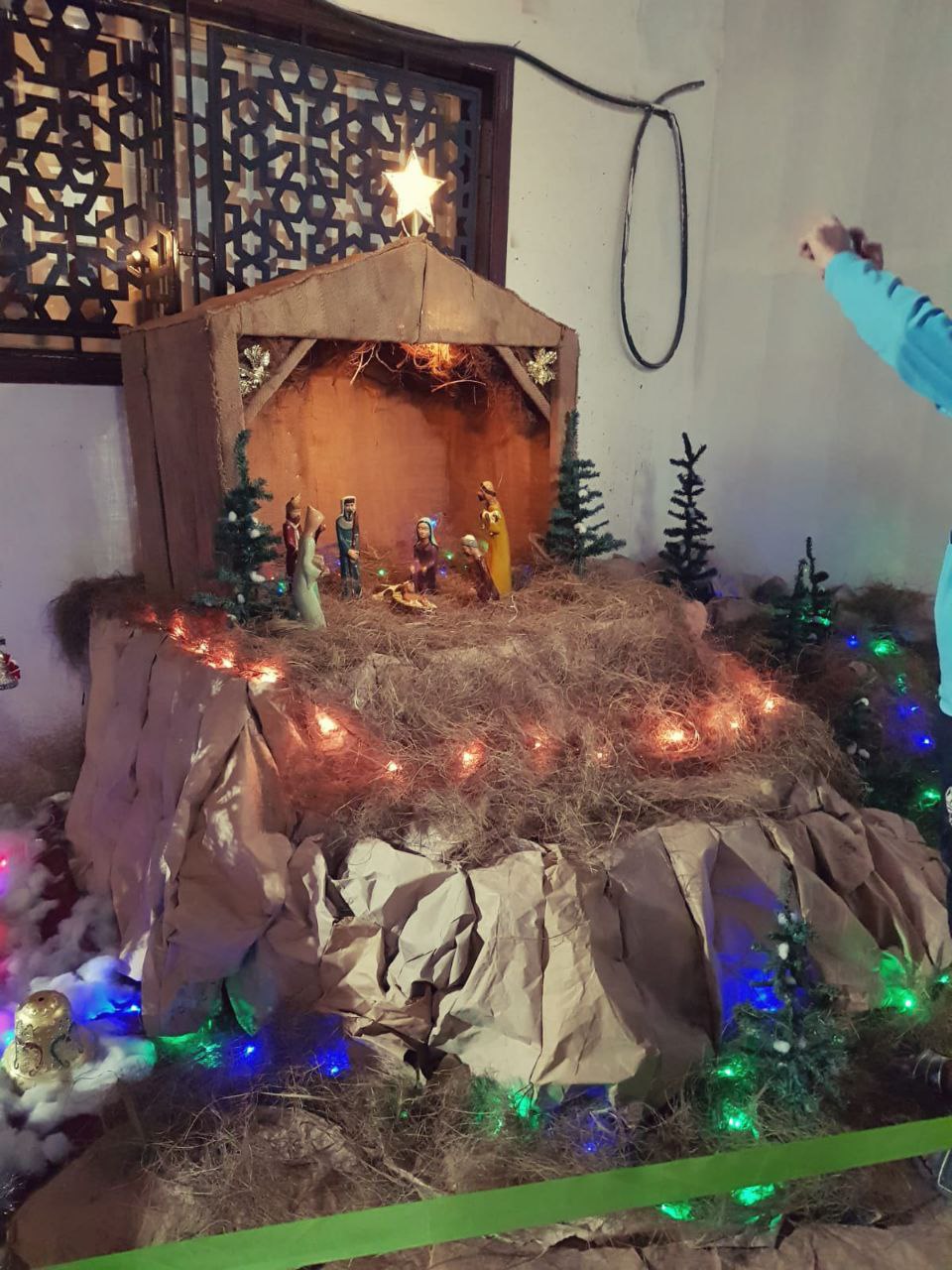
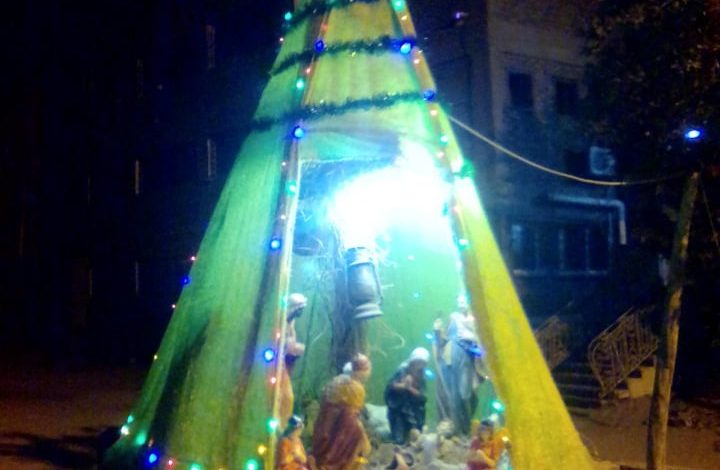
Ramzy has spent decades creating nativity scenes inside homes and churches using simple tools and locally sourced materials. These include palm products, plywood, reeds, burlap pieces, and rice straw to authentically represent the humble setting of Christ’s birth. Small figurines representing the key biblical characters are carefully arranged inside the manger scene. These include the infant Jesus Christ, shepherds tending their flocks, angels, and various animals that would have been present in the stable.
According to Ramzy, the depiction of Christ’s birth inside the simple manger carries profound meanings of humility and simplicity, core values in Christian teaching. He creates many of these figurines by hand, though some are represented through pictures or ecclesiastical icons. Important symbols include the Star of Bethlehem that guided the Magi (three wise men) to Jesus’s birthplace, representing peace, love, and goodness. These are values that the Christmas feast encourages believers to embody through charitable giving, speaking kind words, visiting the sick, offering consolation to those who mourn, reconciling people in conflict, and avoiding spreading gossip or harmful rumors.
Ramzy has been crafting the Holy Nativity Scene inside his church since 1995, using different materials and creative approaches each year. Recently, he has passed this meaningful task to younger members of the church congregation. This transition provides an opportunity for youth to express the grandeur of the occasion and channel their creative talents. He notes that the nativity scene is a heritage model for religious symbols that each artist can interpret and create in their own unique way. Currently, Ramzy focuses on making nativity scenes inside his own home as a personal expression of the joy and simplicity that the Christmas feast represents.
Religious Significance and Church Celebrations
Mina Mahna, a church leader in Qena, explains that churches throughout Upper Egypt, particularly in Qena Governorate, prioritize setting up the Holy Nativity Scene each Christmas season. The scene represents the stable in Bethlehem, Palestine, where Jesus Christ was born according to Christian scripture. For Egypt’s Coptic Christians, the manger holds immense symbolic significance, helping believers immerse themselves in the spiritual atmosphere of the Nativity story.
Some families create small nativity scenes inside their homes using pottery, clay, or stones as building materials. The word “manger” refers to the stable or feeding trough where Jesus Christ was born in humble circumstances. Traditional nativity scenes include figurines of farm animals such as sheep, cows, and goats, alongside representations of the infant Jesus and the Virgin Mary. The purpose of these figurines serves multiple functions: bringing joy to both children and adults during the Christmas season, creating opportunities for memorial family photographs, and teaching younger generations about the biblical story of Jesus Christ’s birth and its significance in Christian faith.
Mahna emphasizes that Christmas celebrations would not be complete without the Christmas tree, a tradition that has become central to the holiday observance. In Qena, Christmas tree prices range from 300 to 4,000 Egyptian pounds (approximately $6 to $82 USD) depending on the tree’s size, quality, and type of decoration. Some churches in Qena enhance their celebrations by arranging for someone dressed as Santa Claus (known as Baba Noel in Arabic) to distribute sweets and small monetary gifts to children. These festive figures also lead the singing of religious hymns and provide entertainment through games with balloons and other activities. These celebrations typically occur on both New Year’s Eve (December 31st) and Coptic Christmas (January 7th).
Church choir groups, composed of trained young men and women, perform special hymns prepared specifically for Christmas and New Year celebrations. These spiritual hymns recount the story of Christ’s birth and narrate the Holy Family’s journey to Egypt, a significant event in Coptic tradition. The hymn lyrics are written by church servants with poetic gifts, while the melodies are composed by musically talented members using instruments, including organs and guitars. The hymns are performed in Arabic, making them accessible to the entire congregation.
Christmas Vigils, Competitions, and Food Traditions
On the sidelines of Christmas celebrations, many churches organise educational religious competitions for children and young people. These competitions follow a question-and-answer format, testing participants’ knowledge of Jesus Christ’s life story and their understanding of Holy Bible teachings. This approach helps engage young people with their religious heritage in an interactive way.
An important tradition involves religious night vigils held in churches before Christmas Day. These vigils, known as “Tasabeh” (meaning “praises” in Arabic), vary in timing depending on the specific church and community. Some vigils extend from midnight until morning, while others run from eight in the evening until midnight. During these vigils, Coptic Christians recite written prayers that include the words and teachings of Jesus Christ and the Virgin Mary. The vigils conclude with a divine liturgy, a formal worship service that marks the celebration of Christmas morning. This overnight prayer tradition reflects the deep devotion of Egypt’s Coptic community.
The foods associated with Coptic Christmas in Upper Egypt are largely similar to the traditional foods enjoyed by Muslim neighbours in the region, reflecting the shared culinary heritage of Upper Egypt. Traditional Egyptian sweets are popular during the Christmas season. An important aspect of Christmas food traditions is that Coptic Christians are eager to eat meat dishes after the conclusion of the Advent fasting period. The Coptic Church observes a 43-day fast before Christmas (called the Nativity Fast), during which many believers abstain from meat, poultry, and dairy products. Christmas Day marks the joyful end of this period of spiritual discipline and dietary restriction.
The Christmas traditions in Qena Governorate showcase the rich spiritual heritage of Egypt’s Coptic Christian community. From handcrafted nativity scenes to decorated Christmas trees, from overnight prayer vigils to joyful choir performances, these rituals connect modern believers with ancient traditions while creating meaningful celebrations for families and church communities throughout Upper Egypt.