Abu Qurqas Sugar Factory: Egypt’s Historic Mill Keeps 150-Year Tradition Alive
Where ancient traditions meet modern sugar production in the heart of the Nile Valley
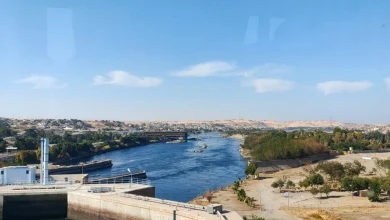
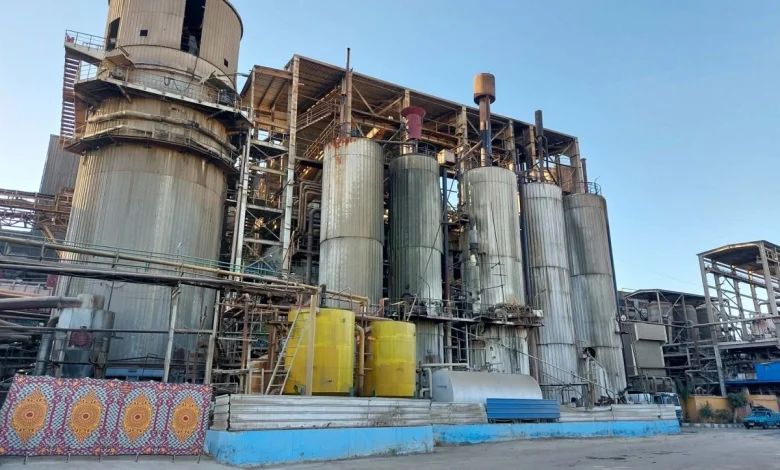
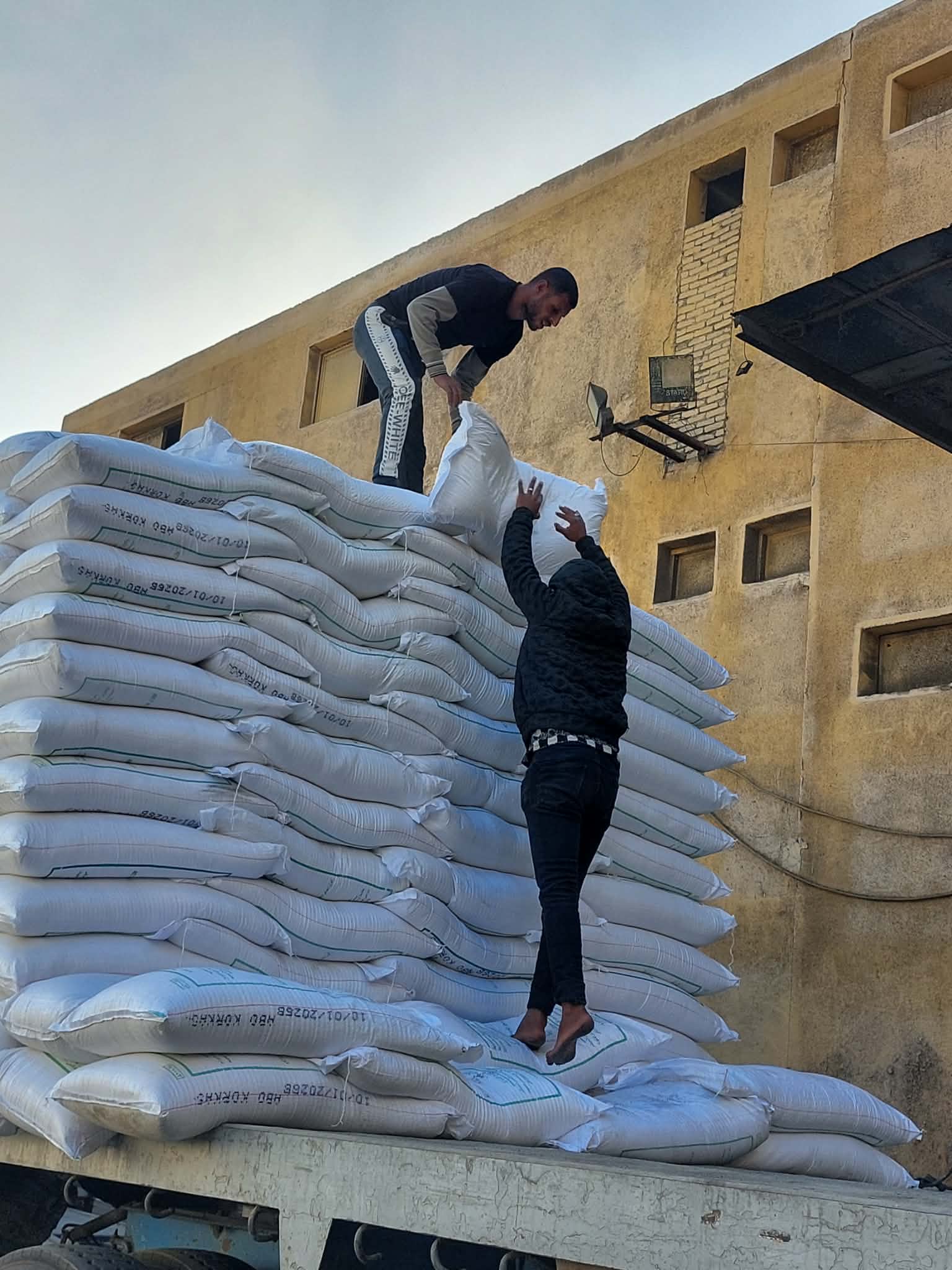
The Abu Qurqas Sugar Factory stands as one of Egypt’s oldest and most important centres of sugar production, with its establishment dating back to the late 19th century. Located in Minya Governorate, Upper Egypt, approximately 245 kilometres south of Cairo, along the fertile Nile Valley, this historic facility has never ceased operation since its founding. It has become an integral part of the region’s economic and social fabric. With the annual start of the sugar cane harvest season, the factory transforms into a beehive operating around the clock, embodying the stories of workers and farmers while reviving the joyful rituals associated with the cane season.
A Season of Bounty and Community
The factory has never been merely an industrial facility. It plays a profound social role in Minya Governorate, intrinsically linked to the seasons of cane harvesting, transport activities, and seasonal work cycles. The cane season has become an important annual event anticipated by entire communities, shaping ways of life around its rhythms.
Muhammad Ali, a worker at Abu Qurqas Sugar Factory, explains: “We all, workers and farmers alike, await the season for processing the cane crop, which runs from the beginning of January until April. It is a season of bounty and joy, of paying off debts, preparing brides, and buying supplies and necessities.” The harvest season represents not just agricultural work but a critical economic lifeline for thousands of families who depend on cane cultivation and processing for their annual income.
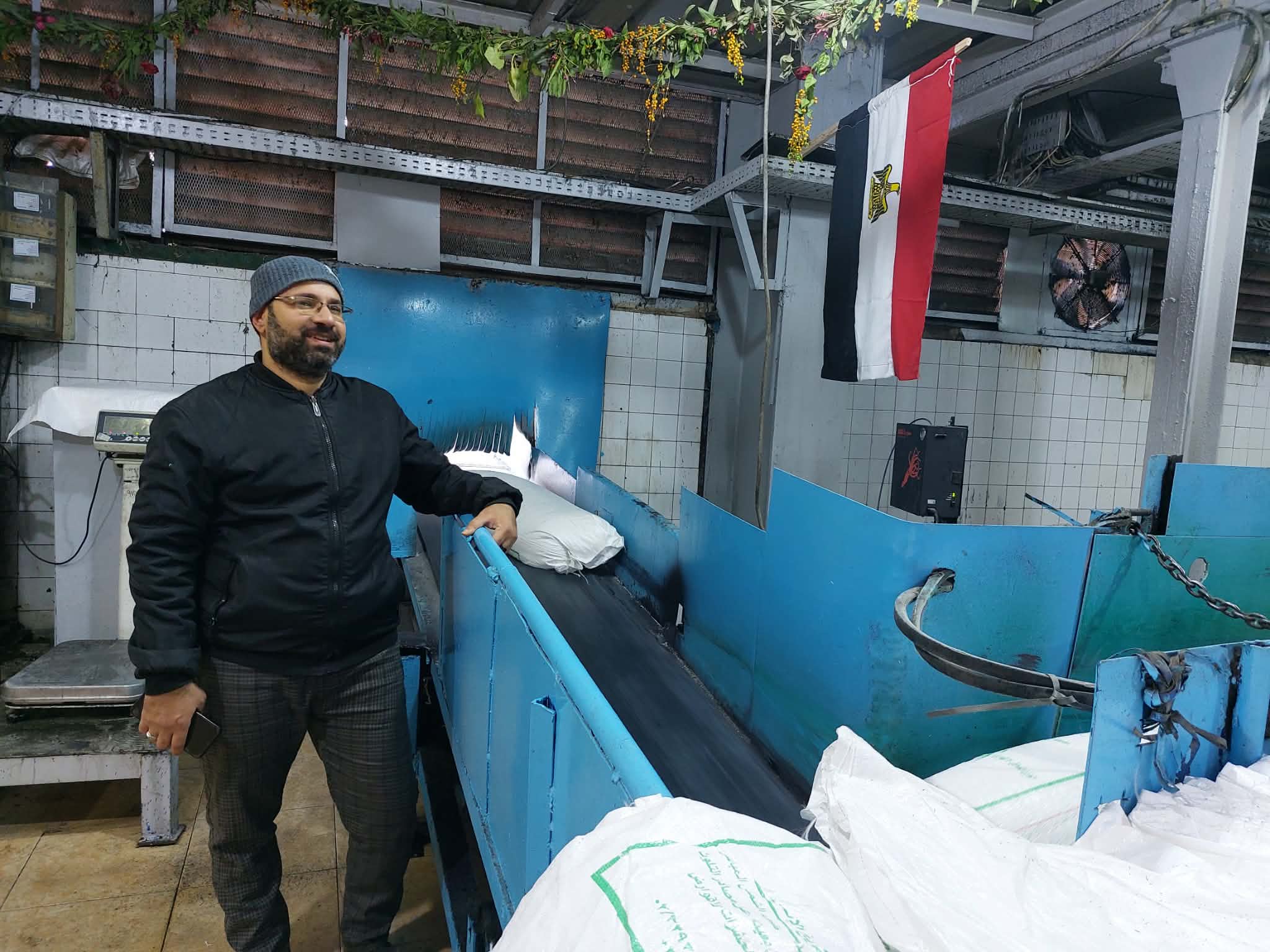
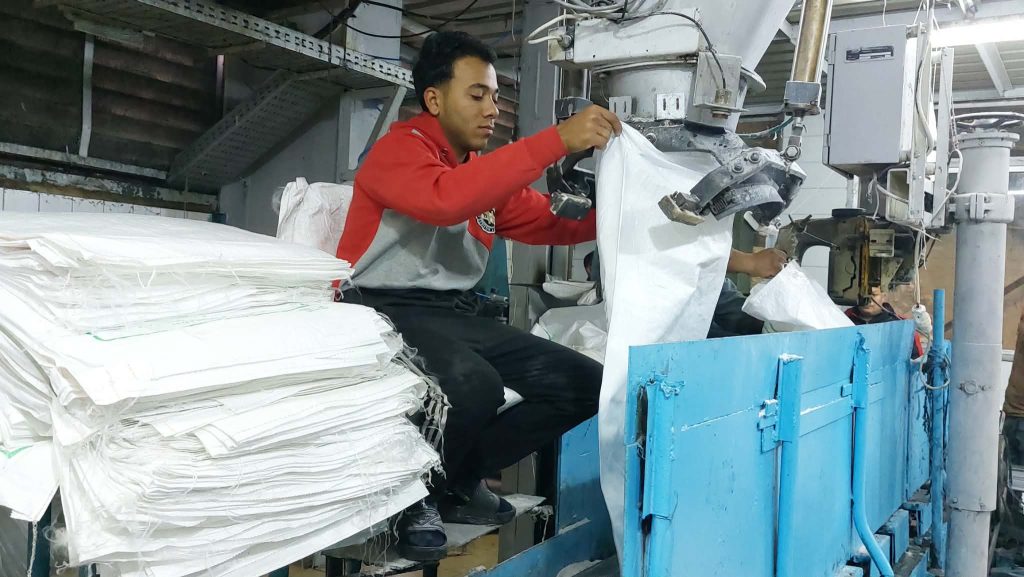
His colleague Muhammad Ashiri adds, “The sugar factory turns into an epic of enthusiasm among the workers. Everyone is united as one, each in their position across all departments and halls of the factory, from the entry of the cane onto the scales to the production and packaging of sugar. We are distributed over three shifts throughout the day, 24 hours non-stop, despite the severe cold weather.” Winter nights in Upper Egypt can drop to near-freezing temperatures, making the continuous work particularly demanding.
From Cane Stalk to Crystal: The Manufacturing Process
Engineer Muhammad Shahata, Director of Industrial Control and Quality at Abu Qurqas Sugar Factory, describes the production stages: “The sugar manufacturing process begins with the arrival of tractors, trains, and cane transport vehicles carrying the crop after harvesting from the farmers. Tons of cane enter the factory’s weighing station, with each vehicle having a specific code. The factory has a large suspended screen to monitor the cane weight, and from here, the stages of sugar production inside the factory begin.”
The preparation stage involves passing the cane through cutters containing sharp knives and shredders to convert the stalks into small pieces called “bagasse” or “pith.” This fibrous residue becomes crucial later in the process as a biofuel. The material then enters the extraction stage in the juice extraction hall, where the bagasse passes through a series of crushers to extract the main juice from the cane.
Engineer Mahmoud Tawfiq, General Manager of Operation Engineering, explains the next phase: “After extracting the main juice from the cane comes the diffusion unit stage. In this stage, a layer of pith about two meters high passes through the unit while water is added from the top to extract remaining sugar. Then the main juice is mixed with the diffusion juice.” This thorough extraction process ensures maximum sugar recovery from each ton of cane.
The mixed juice then enters thermal and chemical treatment, heated through a series of heat exchangers until reaching 75 degrees Celsius. Lime milk is added, and the lime juice is treated to obtain a clear, transparent juice with a light colour. This purification removes impurities and prepares the juice for concentration.
The Evaporation Stages… The Lifeline of the Sugar Factory
The evaporation stage is at the forefront of the most important stages of sugar production. Reda Farag Waheeb, one of the factory workers in the evaporation department, describes it, saying: “The steam boilers are the lifeline of the sugar factory. They ensure the continuity of production with high efficiency and contribute to achieving self-sufficiency in energy. They also require large investments in construction and rehabilitation, as we need to provide the steam necessary for heating, evaporation, purification, and power generation processes.”
He continues: “We often burn sugarcane bagasse as a fuel source, whether in fire-tube boilers or water-tube boilers. Then the boilers generate energy to operate the turbines that generate the electricity needed for the factory, and provide the steam and heat required for the juice extraction, evaporation, filtration, crystallisation, and drying processes. Bagasse is considered a clean biofuel that reduces dependence on fossil fuels and improves the sustainability of the factory.”
Memories of Al-Fawriqa Estate
Hajj Hamid Ramadan, 70 years old, from the sons of Al-Fawriqa Estate, which serves as housing for the sugar factory workers, recounts tales and memories of Al-Fawriqa that he lived with his father, who worked there. It is the old name for the sugar factory, which was operated by steam engines: “The factory was called ‘Fabbrica’ or ‘Fabrika.’ It’s an Italian word meaning ‘factory,’ and it’s also said to be a French word. The Fawriqa of Abu Qurqas is considered one of the oldest Fawriqas established by Khedive Ismail in Minya in 1869 AD. The estate’s domain included inspection lands where thousands of acres of cane were planted. Thousands of workers from the surrounding villages worked there, in addition to seasonal labour that was responsible for breaking, cleaning, and loading the cane onto carts and camels, and receiving it at the factory.”
Ramadan continues: “Alongside the workers, there were teams of foreign engineers and employees who worked in administration. They were headed by the Admiral at that time, over 120 years ago.”
He added: “The work of the Fawriqa continued around the clock with a shift system operating day and night. It was lit by a ‘lighting engine’ (steam engine for lighting), and its lights spread over the halls, machines, warehouses, and all work areas. The Fawriqa had agricultural railway tracks to bring cane to it from the fields. In the old days, the Fawriqa produced 500 qantars of white sugar, 200 qantars of red cone sugar, and 50 qantars of spirit.”
He pointed out that the Fawriqa in the past included powerful iron and copper machines and equipment that operated by the power of fire. It also included cane crushers, an engine to operate the sieves, in addition to washing tanks for the cane, an engine for distributing water, and heating engines. Among them were two engines for refining syrups in tanks, engines for making treacle, two for boiling the returned honey (molasses), engines for operating the white crystal sugar refining wheels, and tanks for delivering water to the juice tanks. There was also an engine for operating the iron, copper, and filing workshops, and two engines for refining spirit. Alongside workshops for blacksmiths, lathe operators, and carpenters. There were general warehouses for all the tools and machines of the Fawriqa, warehouses for daily sugar storage, and others for annual storage.