The Nabil Darwish Museum: A Surreal Finale as the Artist’s Daughter Sells Her Own Furniture to Save His Legacy
As the dust settles on the state-ordered demolition of the Nabil Darwish Museum, the artist’s daughter, Sarah, recounts a surreal tale of loss, family resilience, and the fierce battle to preserve a ceramicist’s legacy within Egypt’s changing landscape.
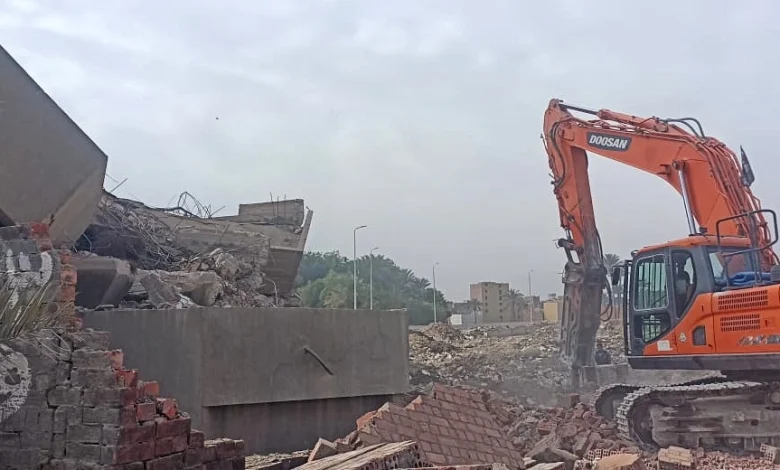
On the morning of March 31, at the delicate hour of 7:30 AM, Sarah Darwish daughter of the late master ceramicist Nabil Darwish received the call she had spent years fighting to prevent. The demolition of her father’s museum had begun, marking the end of a protracted legal and emotional siege with the government.
The story of the Nabil Darwish Museum ends with a surreal act of partition. A wall rose overnight like a scar, severing the family home from the hallowed museum. While the government spared the residence, the museum was condemned to the past. “They razed the museum, not the house,” Sarah explains. “They built a wall between the two, and then they began the demolition.”
When news of the impending destruction reached her, Sarah rushed to steal a final glimpse of her father’s life’s work. The erasure was swift. “It didn’t take long,” she recalls. Suddenly, the museum was completely levelled. There was a palpable desire to keep the demolition shrouded in silence; no one officially notified me of the final date. It took me by surprise.”
The psychological toll has been devastating. Sarah reveals that her mother’s health collapsed under the weight of the looming destruction: “My mother suffered a stroke. She simply could not endure it. She is in intensive care now, though, thank God, she is still unaware that the museum has been turned to dust.”
The Terms of the Contract
The transfer of the collection to the Ministry of Culture was far from a simple handover; it was, in Sarah’s words, a “conditional contract.” She recounts the fierce negotiations required to safeguard her father’s interiority and legacy. “I drafted a formidable contract for them,” she says. “I told the Ministry’s lawyer: ‘I will not sign your standard papers. I am giving you work that is beyond price, but it will be on my terms.'”
These conditions included valuing the pieces at significant sums, not out of greed, she clarifies, but to ensure they are treated with the sanctity they deserve. She further stipulated that the works must be displayed in world-class, enclosed display cases, flatly refusing to allow the collection to be crowded. “They asked for 1,200 pieces. I said no. I will not have it cluttered. I will be there to personally oversee every detail from start to finish.”
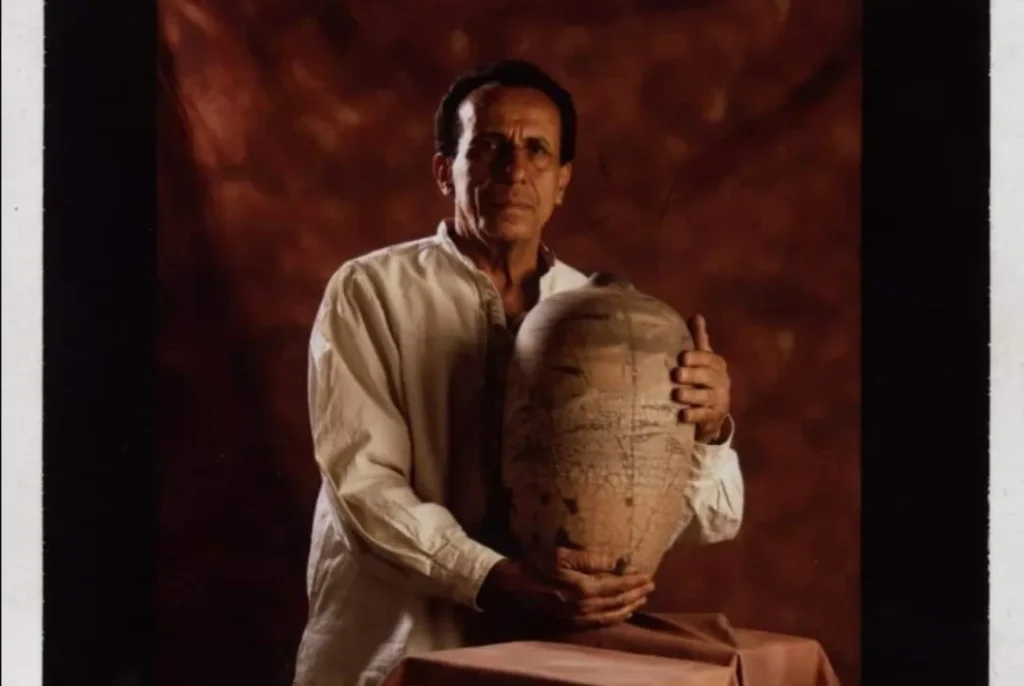
A Desperate Preservation
The Darwish family refused to surrender the entirety of the estate. From the 3,000 works that comprise Nabil Darwish’s atmospheric body of work, the new museum in Fustat will house only 500. Notably, the family has opted for a “loan” arrangement for the masterpieces, ensuring their right to withdraw them for international exhibitions or recover them should circumstances shift. This serves as a vital safeguard against the fate of the late artist Inji Efflatoun, whose works suffered from systemic neglect and theft.
Sarah reflects on the gruelling two-month process of emptying the sanctuary: “We dismantled the windows, the pastels (artwork), everything. The pieces are with me in my home now; I will not hand them over until the new museum is complete.”
Eventually, this journey led to a meeting with Kamel al-Wazir, the Minister of Transport, who greeted her by saying, “You’re the one who has been driving me mad for three years.” He offered to build a villa and a museum in any location of her choosing in exchange for the expropriation of the original site. Sarah remained anchored in her principles: “I refused to allow anyone else to suffer the injustice I endured; I told him I would not wish it upon others. My only condition was that my father’s museum be established within the Fustat Hills area, and they agreed immediately.”
Yet, a sense of missed opportunity lingers. “It was entirely possible to modify the project instead of destroying the museum,” she insists. “The street layout could have accommodated it, and the bridge exit doesn’t even suffer from heavy traffic. But in the end, the decision was made. I expect my father’s new museum will be ready by next summer.”
Following the demolition, Sarah received a call from the Minister of Culture, Jihan Zaki, who offered assurances that the new site would reach a zenith of quality worthy of the late artist. Sarah, however, remains haunted by a singular, piercing question: “Would it not have been better to preserve the original museum than to labor at constructing another?”