Underwater Guardians: One Egyptian Group’s Mission to Protect the Red Sea’s Hidden Treasures
In the remote islands of the Red Sea, an Egyptian conservation group is on a mission to protect the region’s world-famous coral reefs. Their tool of choice? Mooring buoys keep boat anchors away from fragile marine life. So far, they’ve installed over 1,000.
The marine life along Egypt’s Red Sea coast is one of the country’s most valuable natural assets. It drives a thriving tourism industry built on diving, snorkelling, and the breathtaking beauty of coral reefs and diverse marine species. Protecting this environment is not just an ecological necessity. It is a cultural, scientific, and economic imperative.
The Red Sea-based association Hepca (Hurghada Environmental Protection and Conservation Association) has made this mission its own. The organisation regularly conducts expeditions to remote islands in the Red Sea to protect coral reefs by installing new mooring buoys and maintaining existing ones. These buoys protect dive sites by preventing boats from dropping anchor on fragile coral.
How Mooring Buoys Protect Coral Reefs
The damage caused to coral reefs by boat anchors is well documented. When vessels tie up directly to reefs, the weight and friction of chains can break coral and destroy sensitive marine life. The most effective way to reduce this damage is to install mooring buoys, which provide boats with a secure attachment point away from the reef.
Any area that receives boat traffic can benefit from mooring buoys. They are a key tool in a comprehensive resource management strategy. Beyond protecting living coral, buoys serve as an important management tool, offering a convenient way for boat crews to secure their vessels while enjoying the unique reefs.
A mooring buoy system consists of three elements: a permanent fixture on the seabed, a buoy floating on the surface, and a connecting line between them. The seabed conditions typically determine the most suitable system. The Halas system is one of the most successful in areas with flat, hard bottom surfaces.
To date, Hepca has installed over 1,000 mooring buoys across the Red Sea, making it the largest project of its kind in the world. The organization has also been instrumental in transferring this technology to neighboring countries. A combination of private funding, donations, and initiatives, supported by Egypt’s Ministry of Environment, has provided the necessary resources for installing and maintaining the buoy system.
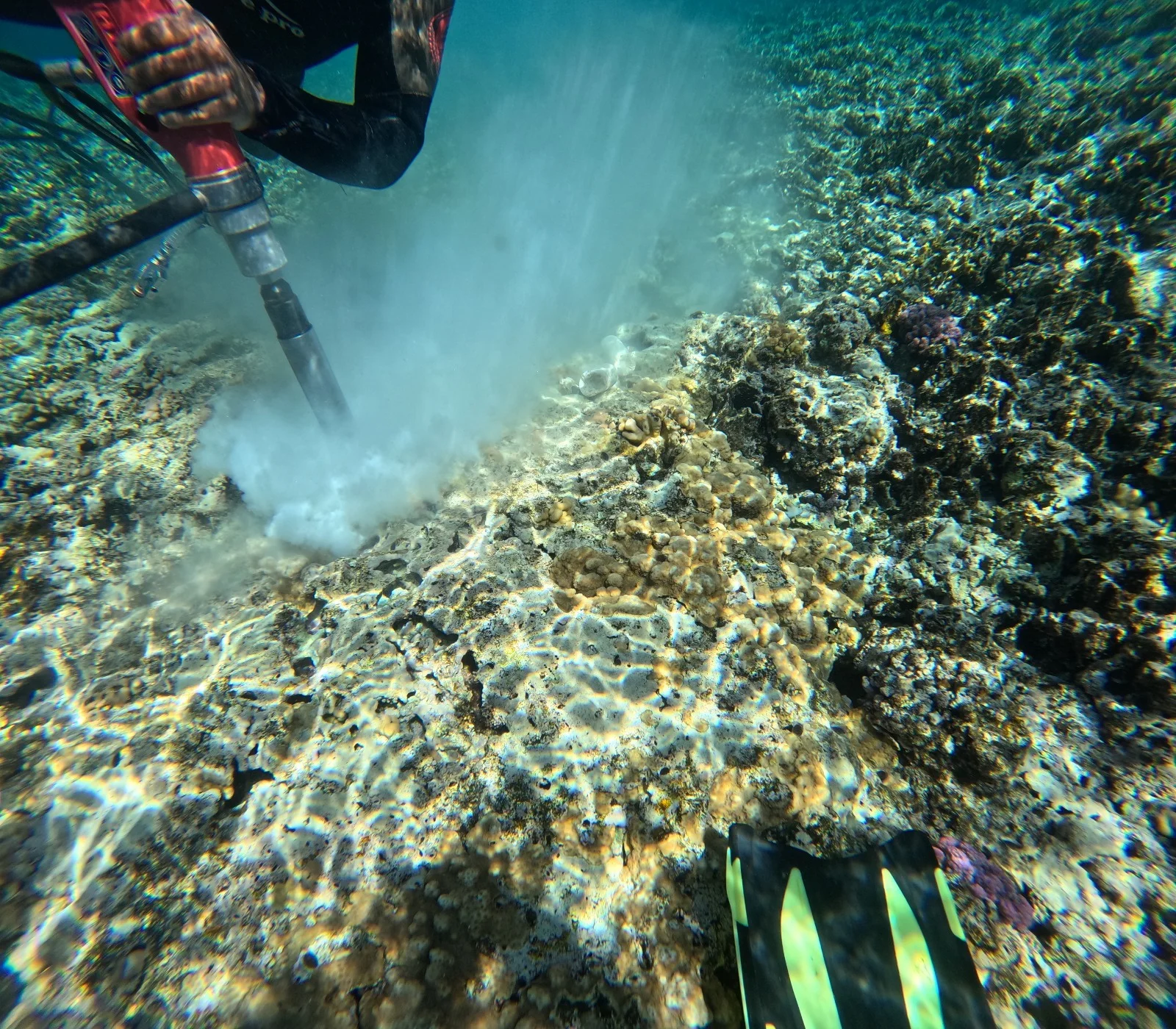
The Buoy Expedition
Nour Farid, Director of Hepca’s Red Sea branch, described the scope of these operations to “Bab Misr.”
“The buoy expeditions depart from Hurghada port and last for 15 days of intensive fieldwork,” he said. “The goal is to inspect a number of remote islands in the Red Sea, such as Rocky Island, Elphinstone Reef, and Zabargad Island. These are among the most important sites, a paradise for diving enthusiasts and professionals. Their distance from the shore has preserved pristine marine environments, stunning coral reefs, underwater caves, and a high presence of sharks.”
These remote islands are major destinations for safari boats, which spend long hours at sea. Having mooring buoys is essential to protect the reefs from the risks of vessels anchoring randomly.
Installation and the Risks of Random Anchoring
Farid noted that the most recent expedition successfully installed 73 new buoys and maintained 28 existing ones. This was achieved through teamwork and the combined efforts of various stakeholders. Safari yacht owners played a crucial role in supporting the diving sector, providing practical assistance and essential resources that directly contributed to the mission’s success.
This collaboration, he emphasized, reflects a growing awareness among tourism and environmental professionals that protecting coral reefs is not only about sustaining the tourism industry. It is a conscious environmental commitment to safeguard the Red Sea and maintain its status as one of the world’s premier diving destinations.
Farid extended his gratitude to the Ministry of Environment, the Red Sea Protectorates, and the Chamber of Diving and Marine Activities for their ongoing support and on-the-ground presence, which help turn the vision of ecosystem protection into tangible reality.
He stressed that protecting coral reefs is a long-term commitment requiring sustained fieldwork and collaboration between all stakeholders. These efforts, he said, reach to the farthest points of the Red Sea to preserve its natural treasures for future generations.
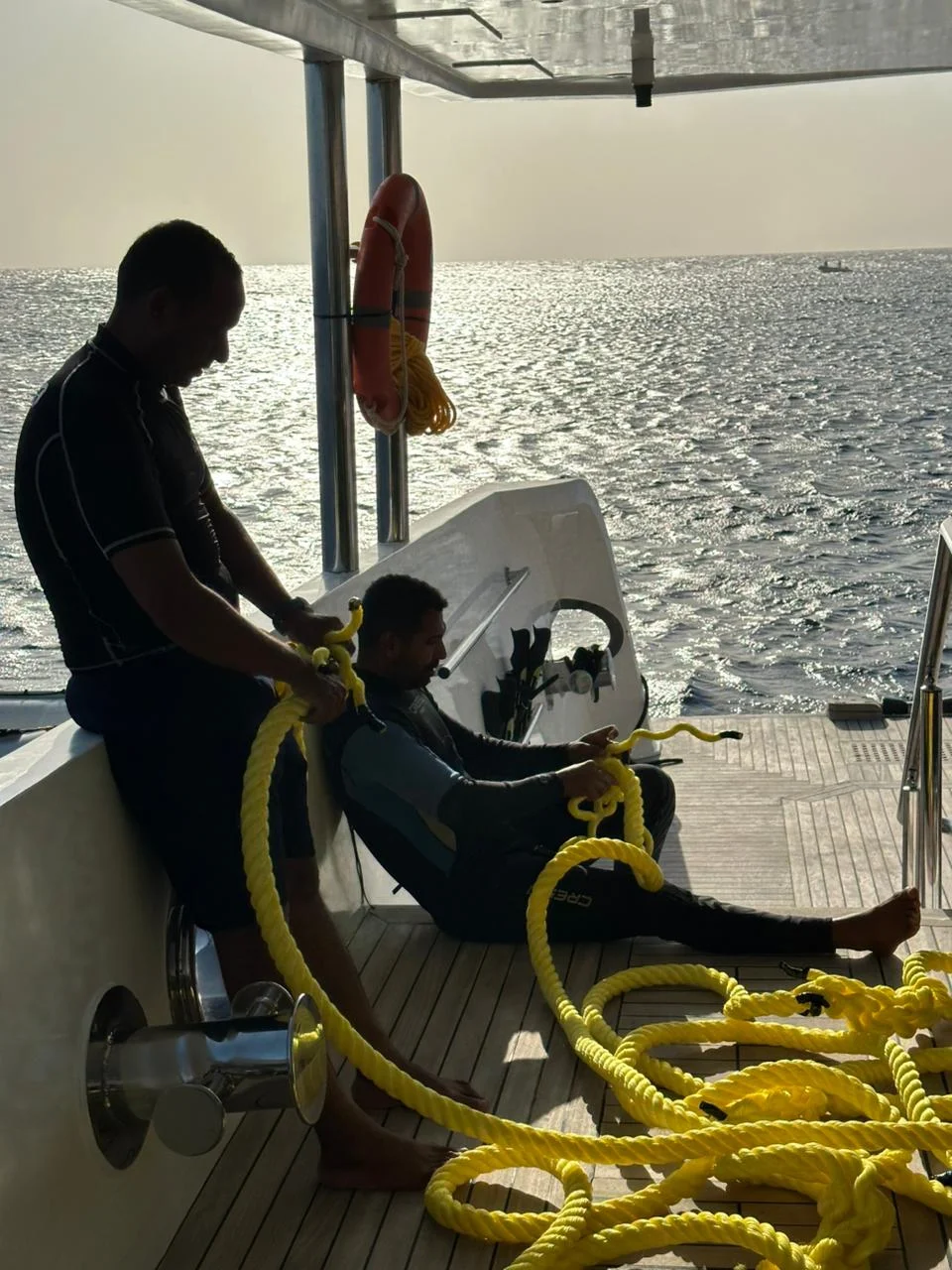
International Law and Conservation
Dr. Mahmoud Hanafy, Professor of Marine Science and Scientific Advisor to Hepca, addressed recent incidents involving the capture of whale sharks.
“These incidents are unethical,” he told “Bab Misr,” “regardless of their impact on the environment and the economy. This species is endangered and listed on the International Union for Conservation of Nature’s Red List of Threatened Species. Egypt is a signatory to the relevant international agreements, which are part of Egyptian law.”
Such incidents have a very negative impact internationally, he added, affecting Egypt’s reputation and its commitment to protecting endangered species. Though individual acts, their repercussions extend to the entire country. They also reflect a kind of ignorance and serve as a warning that the Red Sea’s natural fish stocks may have declined to a critical level, pushing some fishermen to target any available fish for their livelihood.
Challenges Facing the Marine Environment
Hanafy explained that these incidents could also impact tourism in Egypt. Some reactions showed that individuals concerned with rare species were hesitant to visit. However, Egyptian authorities responded swiftly, taking action against those responsible and demonstrating the country’s capacity to protect its resources. Strict measures were implemented, and the perpetrators of these acts were apprehended.
He emphasised that the threats to the Red Sea’s marine environment are numerous, reflecting a global challenge driven by both human activity and climate change. Egypt’s unique environmental resources, such as its coral reefs, seagrass beds, and mangroves, which support a diversity of species, are relatively limited compared to the vastness of the Red Sea, a sea with naturally low productivity.
Coral reefs, therefore, are the fundamental units supporting life in the sea. Their total area represents a tiny fraction of the entire Red Sea. A key challenge is organising activities around them without causing harm, by implementing the concept of sustainability.
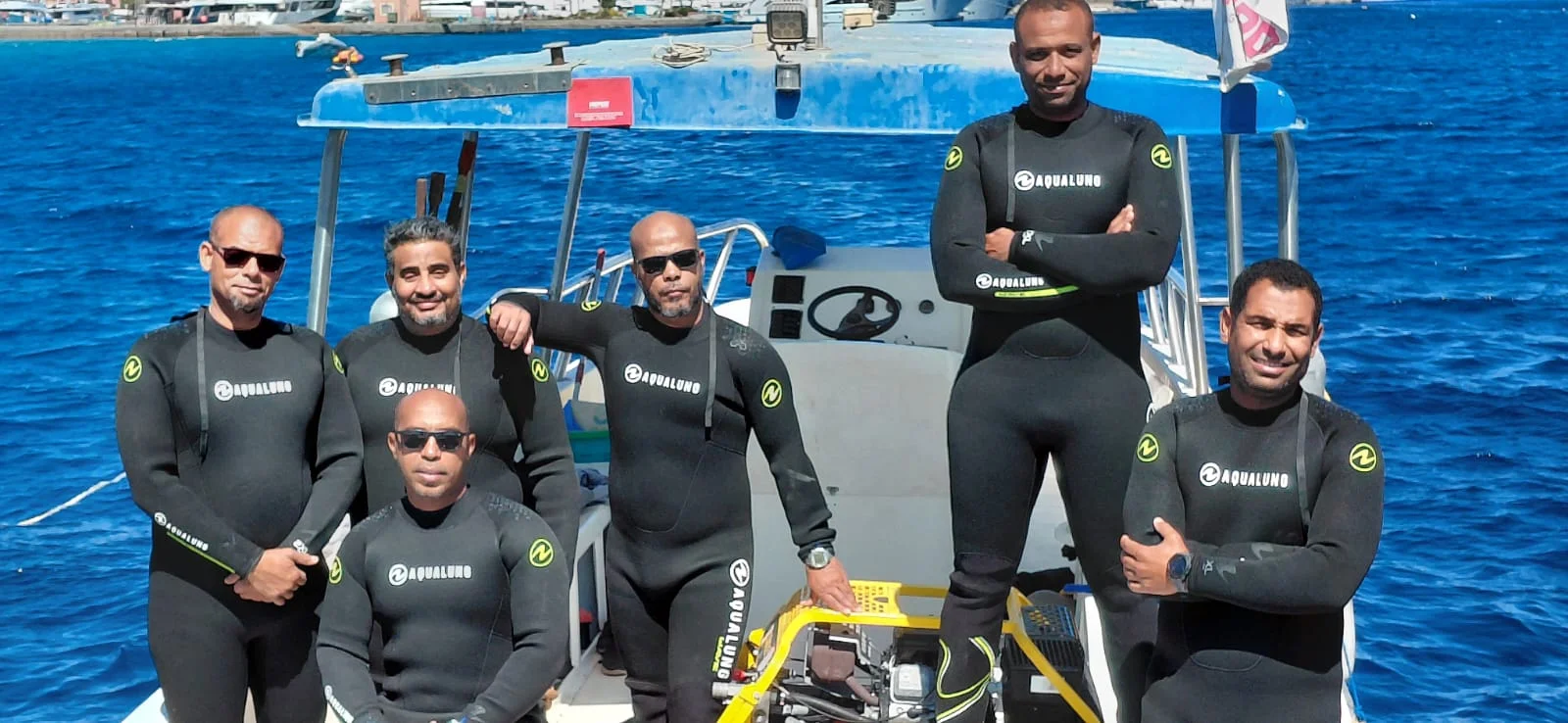
Official Measures to Protect the Marine Environment
The marine science professor noted that development should prioritise quality over quantity in terms of the number of hotels, tourists, dive sites, and the number of visitors allowed at each site. Solutions are being developed, including the sinking of decommissioned military equipment at designated sites to create artificial reefs and new marine habitats, helping to reduce pressure on existing sites.
Overfishing has led to a decline in fish stocks. Recreational fishing has been completely banned for five years. Additionally, the Red Sea Governor has prohibited commercial fishing in certain areas. In collaboration with the General Authority for Lakes and Fish Resources Development, fishing is banned from mid-April to mid-July, the fish spawning season, as part of efforts to allow fish stocks to recover.
Hanafy stressed that education and awareness are fundamental to protecting the Red Sea’s high-value resources. The value of coral reefs was estimated at around seven billion dollars in 2025, in addition to their scientific, ethical, environmental, and cultural importance.
They also hold significant economic value, as all investments along the Red Sea depend on these resources. Their degradation would severely impact the tourism industry. Egypt has coral reefs capable of adapting to climate change and growing, creating opportunities for enhanced tourism appeal.
He added that education and awareness must continue through all those working in the environment and tourism sectors, as well as in schools, to protect these vital natural resources in the Red Sea.
Protecting the World’s Most Famous Dive Sites
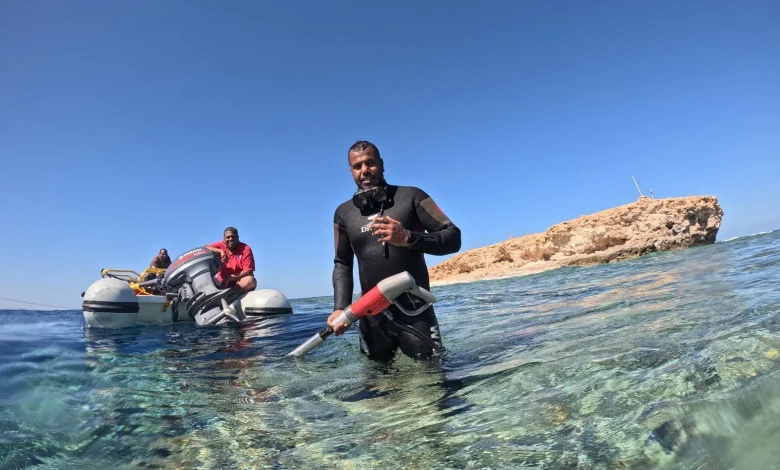
Eng. Mustafa Abdellah, Head of the Mooring Buoy Team at Hepca, explained that the expedition team consists of six professional divers specialising in buoy installation and maintenance, all members of the association. This expedition, he said, is one of the team’s most important missions. The journey to the remote islands is not routine work. It is an extraordinary adventure to some of the world’s most famous and beautiful dive sites.
The expedition is conducted with a member of the Egyptian Naval Forces and a ranger from the Red Sea Protectorate. The mooring buoy team is responsible for executing a maintenance plan for the critical buoys that ensures the safety of boats and divers, while also replacing buoys damaged or lost due to natural factors.
Abdellah added that work sites are chosen according to a pre-planned schedule based on maintenance and exploratory trips conducted by the Hepca team, in coordination with meetings involving safari boat captains to assess the condition of buoys at various dive sites and determine actual needs.
He described this expedition as a lifeline for spectacular dive sites and a gateway for diving enthusiasts to discover the sea’s secrets. It reflects a story of dedication and work to protect this natural treasure and preserve the coral reefs that adorn the Red Sea.
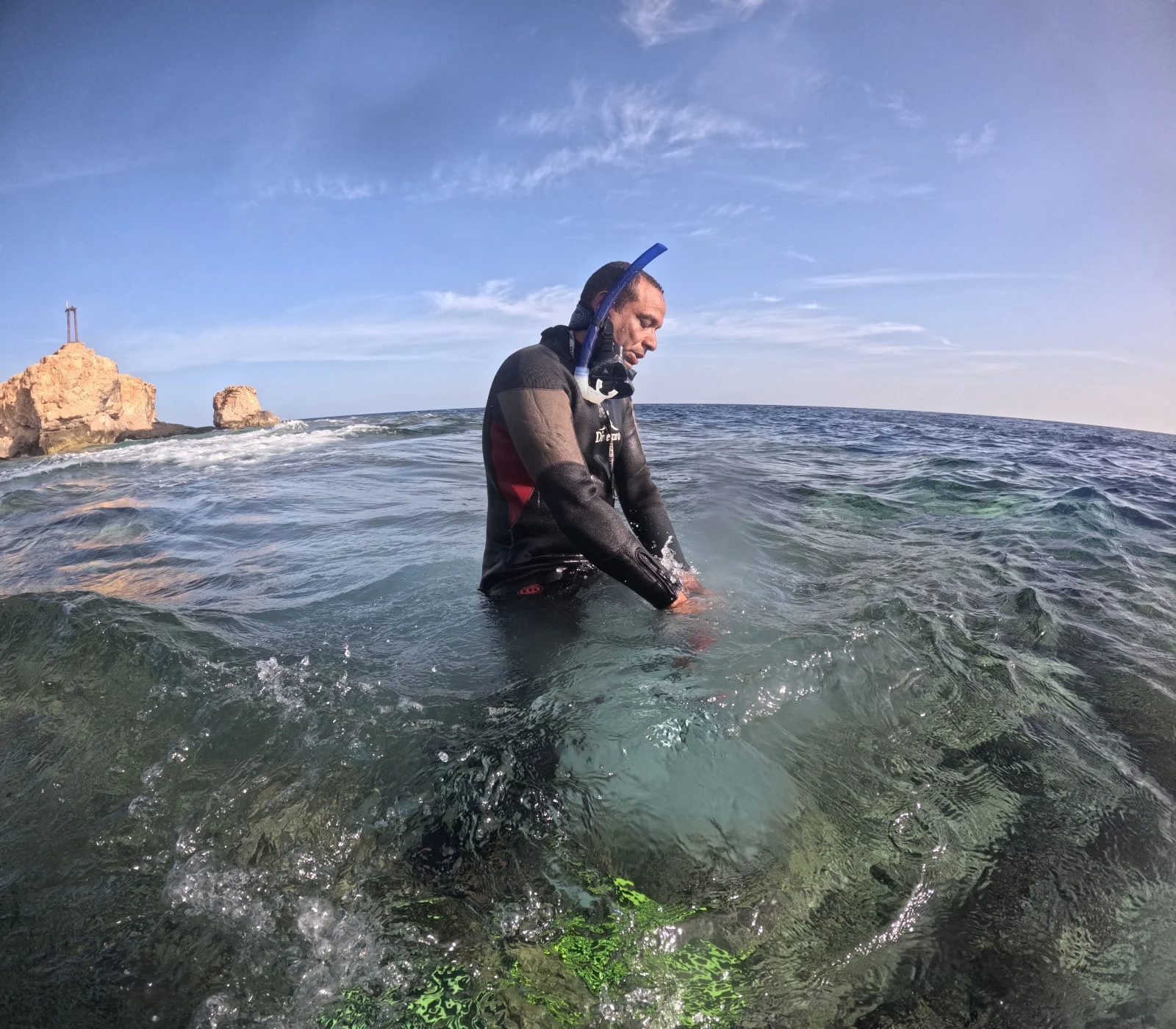
The Role of Yacht Owners
Mohamed Adel, a supporter of the expedition, highlighted the significant role of safari yacht owners in its success. They are constantly present in remote areas like Elphinstone Reef, Abu Al-Kizan, and other tourist sites that depend on healthy coral reefs and ecosystems.
Safari yacht owners, he explained, have long been mindful of the condition of coral reefs. Some had noticed that certain sites were deteriorating because buoys and ropes were wearing out faster than they could be replaced, potentially impacting the reefs that are a national treasure for Egypt and the primary livelihood for the safari yacht sector. This concern led them to propose contributing to buoy maintenance during the off-season for safari boats, before the start of the peak season from April to November.
The idea was initially adopted by a limited number of safari yacht owners. They discussed the problem and proposed solutions in collaboration with Nour Farid and Dr. Mahmoud Hanafy of Hepca. The proposal was then presented to Mustafa Hefny, Chairman of the Chamber of Diving and Marine Activities, who welcomed the initiative and expressed the Chamber’s readiness to contribute to the project’s funding.
A WhatsApp Initiative
Adel noted that the idea was shared with a group of safari yacht owners via a dedicated WhatsApp group, where it received a wide response. “Hassan,” one of the yacht owners, offered his boat for the mission for two weeks. Several other owners covered part of the expedition’s expenses, while the Chamber of Diving funded the remainder.
The primary goal of the initiative, he said, was to involve those working in and passionate about marine activities in protecting the marine environment and contributing to decision-making. This reinforces a culture of coral reef conservation and shared responsibility, not one dependent solely on regulation.
He concluded by noting that the next phase of the project will include open meetings with safari boat captains and crew. The aim is to correct misconceptions and propose practical solutions to improve the system’s efficiency and protect coral reefs, supporting the development of dive tourism and strengthening the position of Egypt’s Red Sea coast.