A 700-Year-Old Family Recipe: The Sprouted Fava Bean Legacy of the Tramsy Family in Upper Egypt
In Qus, Qena, the Tramsy family has been making sprouted fava beans (fool nabet) for over 700 years. Discover the story of this ancient trade, their 100-year-old clay pot, and how Ramadan keeps the tradition alive.
Walk through the ancient alleyways of Qus, a city in Upper Egypt’s Qena Governorate, and you’ll find trades that have been woven into the fabric of families for centuries. Among these is the art of making fool nabet (sprouted fava beans) a craft that has belonged exclusively to the Tramsy family for over 700 years. Using traditional tools such as clay and copper pots, this family has preserved a culinary heritage that predates the Mamluk era, serving generations of locals, travellers, and, now, Ramadan crowds.
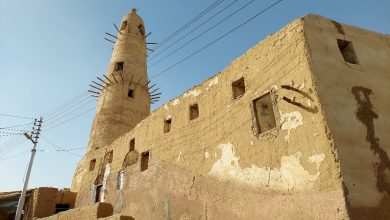
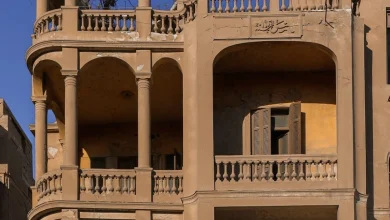
The family’s story is rooted in two historic districts of Qus: Al-Batha and Nuba. Al-Batha, whose name derives from the Arabic word for camels kneeling, was once a resting point for pilgrims crossing from North Africa to the port of Aydhab on the Red Sea, en route to Mecca for the Hajj. And it was here that the Tramsy family’s legacy began.
The Ancient Art of Fool Nabet
The tradition of making sprouted fava beans in Qus dates back more than seven centuries. While the dish is enjoyed year-round, demand soars during the holy month of Ramadan.
Master Taher El-Tramsy, a man in his fifties, explains that his grandfather was the original practitioner of this craft. “The Tramsy family were the first to make fool nabet over 700 years ago,” he says. “Back then, Qus was a major transit point for pilgrim caravans arriving from across North Africa. They would pass through here on their way to the port of Aydhab, before crossing the Red Sea to Mecca.”
The family would host these pilgrims in the Batha district, offering them free plates of fool nabet,a nourishing gift to sustain them on the arduous journey ahead.
A Roman-Era Well and a Legacy of Generosity
In those days, the area was home to a well dating back to the Roman era, which the Tramsy family maintained, providing water to the passing pilgrims. This act of generosity became their defining trait,a reputation for hospitality, chivalry, and kindness that has been passed down through generations.
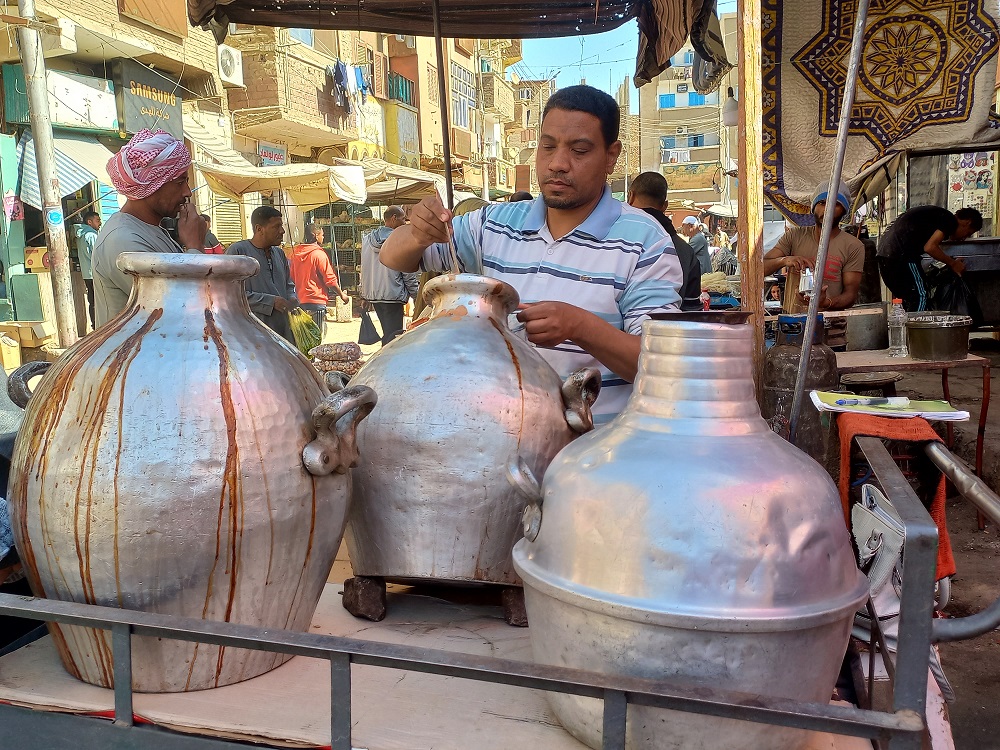
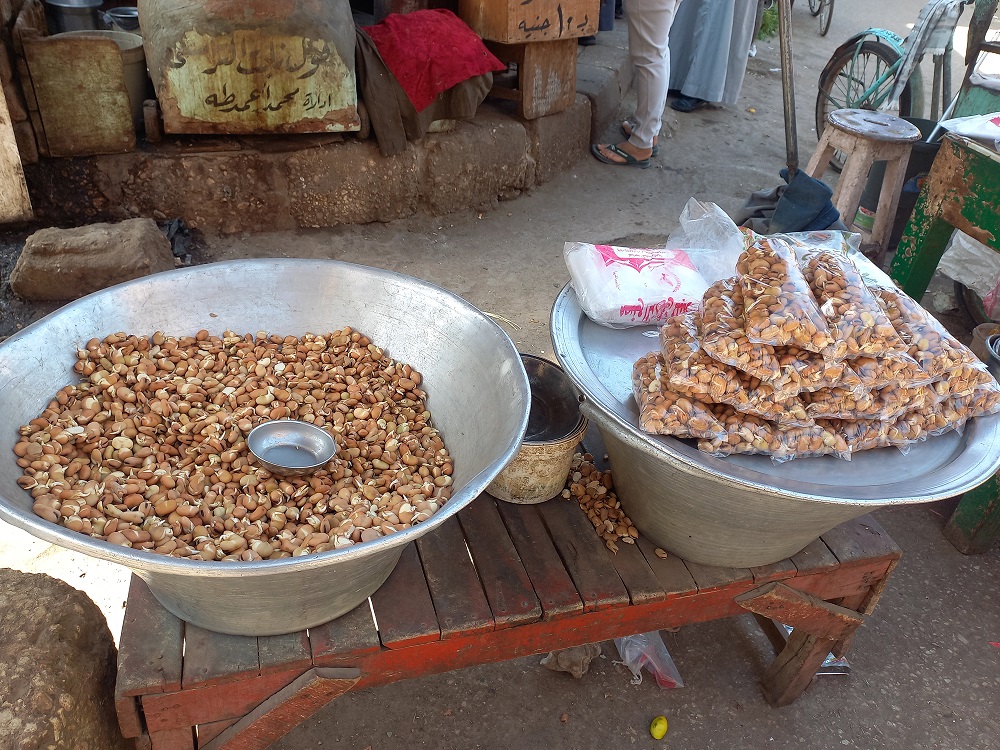
This spirit of service is baked into the family’s approach to their trade. The knowledge of how to select, soak, and prepare fool nabet has been handed down from father to son for centuries. The traditional method involves sifting, cleaning, and washing the beans, then soaking them in a large clay vessel known as a majour or shaqaf.
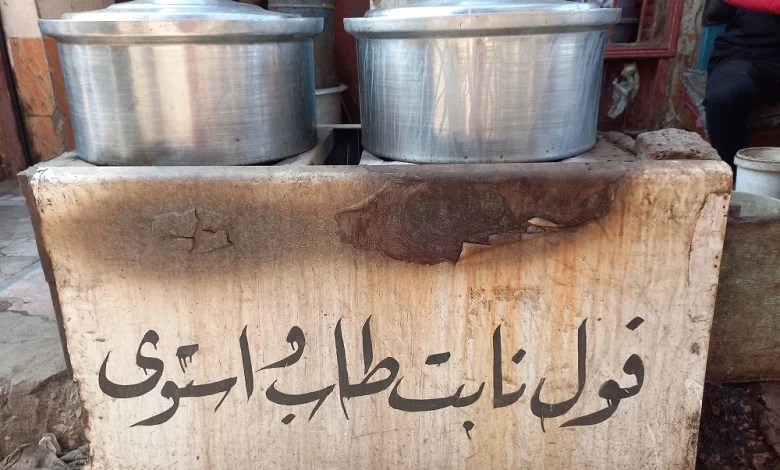
For generations, the family sold only fool nabet. Today, the younger generation has expanded the menu to include fool medames (cooked fava beans) and taameya (falafel). But their commitment to quality and tradition remains unchanged. Their fame has spread far beyond Qus, drawing customers from neighbouring villages and even other governorates. They still operate from the same spot their ancestors did, convinced that the secret to their success lies in one simple rule: never let a customer leave unhappy.
The 100-Year-Old Clay Pot
Mohamed Taher, another heir to the family trade, points to a large clay pot sitting in the shop. “After the fool nabet is fully cooked, we transfer it to this pot,” he explains. “It’s made of clay and is over a hundred years old. It’s the only pot of its kind still used to store fool nabet in all of Qena Governorate.”
“We inherited it from our grandfathers,” he adds. “They used it to keep the beans hot while they sold them. Whether customers ate here in the shop, took it home in their own containers years ago, or use plastic bags today, the pot keeps the food warm.”
Some people seek out fool nabet for its restorative properties when they’re feeling tired or unwell. Others prefer it for dinner because it’s light on the stomach. “Despite how heavy and difficult it is to move,” Mohamed says of the ancient pot, “we refuse to replace it. It’s part of our heritage, and our customers trust it. That trust has been built over decades, and we won’t break it.”
A Trade Passed Through Generations
Mohamed Taher El-Tramsy, 42, grew up watching his father. “I was just a kid, less than ten years old,” he recalls. “I’d watch him put the cleaned beans in a large copper pot (dist), where they’d cook on a low flame for fifteen hours. Then he’d move them to the clay pot to keep them hot.”
He learned not just the technique, but the philosophy. “I inherited this trade from my father and my grandfather before him. We’ve preserved it through all kinds of changes. In the old days, the beans were cooked over a wood fire. Then came kerosene burners. Now we use gas stoves. But the principle is the same: patience and care.”
As a boy, he would fill small clay bowls (za’afa) and carry them to the shop for sale. The smell of cooking beans would fill the street, and he learned to judge the beans’ doneness simply by the aroma.
The Tramsy Family in Ramadan
“People eat fool nabet all year,” Mohamed says, “but in Ramadan, the demand is something else entirely.” To accommodate the crowds, the family sets up extra seating outside the shop, serving customers from eight in the morning until just before the Maghrib call to prayer, when families break their fast.
“We buy large quantities of beans and start preparing from the first day of Ramadan,” he explains. “It’s a daily cycle. As soon as one batch sells out, we start on the next. That’s how it goes for the entire holy month.” Alongside the fool nabet, they now serve pickles and cooked fava beans to meet the growing demand from both men and women.
The Trade Stays in the Family
The Tramsy family has always guarded their craft jealously. “Our ancestors never allowed anyone from outside the family to touch the beans—not even during cleaning,” Mohamed emphasizes. “It was about trust.”
He recalls how his grandfather would spread the beans out on a large table (tabliya) to pick out any stray sticks or pebbles. He refused all offers of help from outsiders, fearing that a single missed stone could harm a customer. “He used to tell my father, ‘This is a sacred trust before it’s a business. You must make it with your own hands.'” As a result, the trade has never left the family’s control.
He also learned compassion from watching his father. “I’d see him watching the customers. Some would come in, eat, and pay. Others would eat and leave without paying. He never stopped them. He’d say, ‘Let it be for God. Maybe they didn’t have the price of the meal.’ He always told me to leave it to God.”
Thirty years ago, customers would bring their own dishes or containers from home to buy fool nabet. Now, they use plastic bags for takeout or eat off plates provided by the shop, which they return when finished.
From Pennies to Five Pounds
Decades ago, a plate of fool nabet cost just a few piasters. It rose to two pounds several years back. After the price of fava beans increased in 2020, the price settled at five Egyptian pounds per plate. Despite the increase, the crowds haven’t diminished.
During the reporter’s visit to the shop in the Nuba district of Qus, an elderly man walked in. Seeing that the conversation was about the family’s history, he reached out his hands, recited the Fatiha (the opening chapter of the Quran) in prayer for the deceased, and his eyes filled with tears.
“May God have mercy on his father,” the man said. “I used to get fool nabet from him. He never once asked me for money. I ate here for years, and he never collected a single pound from me. And this place hasn’t changed a bit.”
The Kindness of the Ancestors: The Secret Ingredient
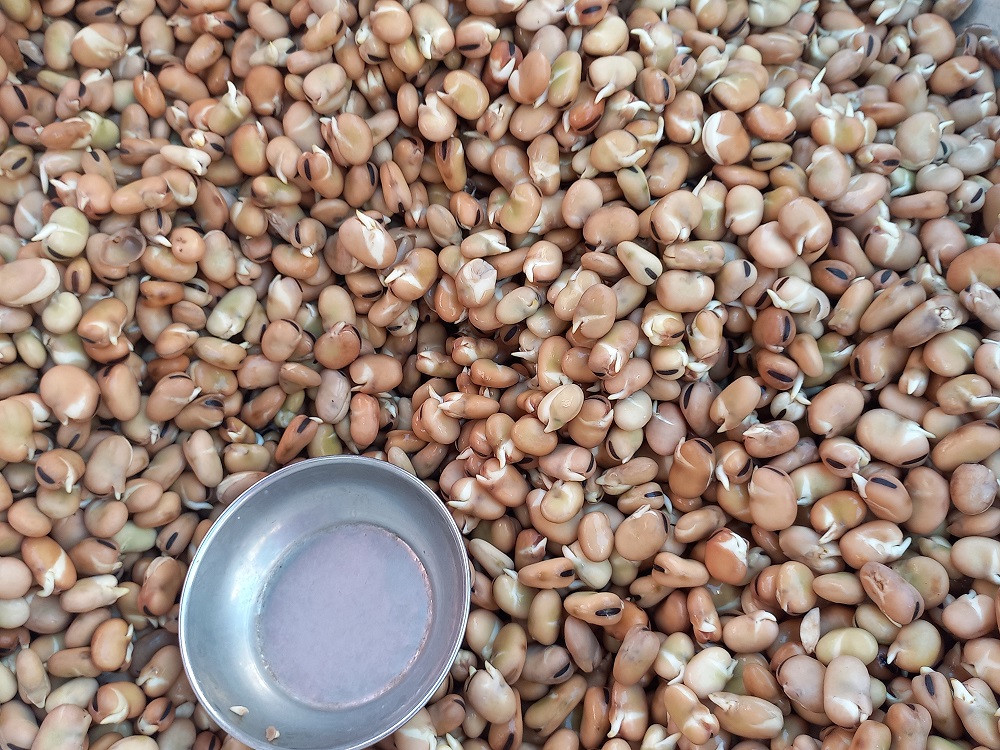
After the man left, Taher continued his story. His father always insisted on washing the beans thoroughly. “In every single bean, there’s a black line that looks like the Arabic letter Alif,” he explains. “That’s the first letter in the name of God (Allah)—a symbol of the Divine. You have to respect it and wash it clean. You can’t serve it to a customer dirty.”
He says that women often ask him, “What do you add to your fool nabet that makes it taste better than what we make at home?” His answer is always the same: “It’s the blessing of our ancestors.”
The Old Copper Pot
Taher concludes by explaining their cooking philosophy: “We only cook fool nabet on a slow, low flame. We control the temperature by watching the color of the beans and how they change inside the copper pot. Because we make such large quantities, it takes about fifteen hours to cook properly. You have to be patient.”
If a batch doesn’t cook evenly or the beans aren’t perfect, they don’t serve it. “We keep it for the family and start a new batch for the customers. The customer is everything. Keeping their trust is the whole secret.”