Abriya: The Nubian Drink That Brings Ramadan to Life in Aswan
Discover the story of al-‘abriya, the traditional Nubian drink that defines Ramadan in Aswan, blending heritage, community, and timeless ritual.
By Wafaa Amin
In Nubian villages across Aswan, Ramadan arrives carrying with it a ritual that has remained unchanged for generations. At the heart of every iftar table stands abriya, a traditional Nubian drink that is far more than a simple refreshment. Alongside dates, hibiscus, doum palm, and tamarind, abriya forms a cornerstone of Nubian Ramadan hospitality, embodying memory, community, and continuity.
Long before the holy month begins, Nubian women gather to prepare this cherished beverage, transforming its production into a communal celebration that reflects the deep bonds and collective spirit of village life.
A Sacred Tradition at Iftar
For many Nubians, abriya is both tradition and obligation. “It is sunnah and fard,” says Shadia Youssef Siyam from the village of Gharb Aswan, using religious terms to describe its centrality at the iftar table. “No Nubian home can do without it during Ramadan.”
Prepared using methods passed down from mothers and grandmothers, abriya represents continuity across generations. Its presence is non-negotiable, standing beside fruit juices and herbal drinks as an essential part of the daily fast-breaking ritual.
How Abriya Is Made
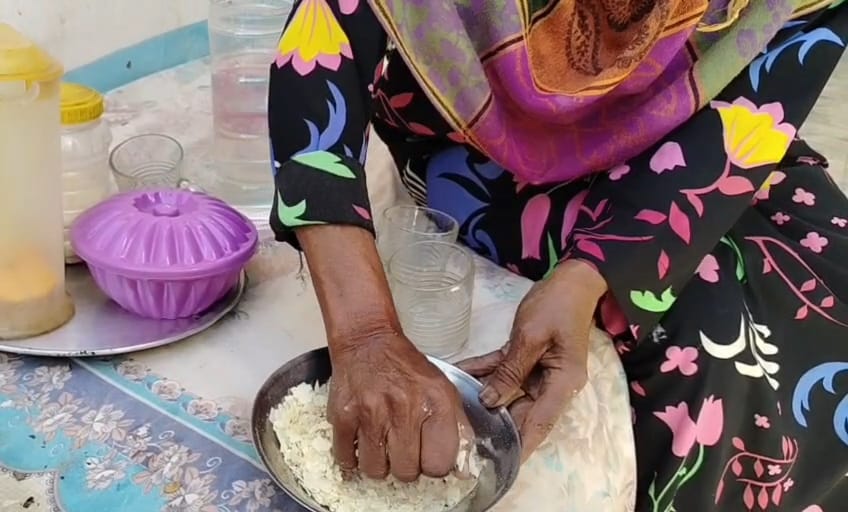
The preparation of abriya begins with grinding sorghum and mixing it with wheat flour. The dough is then left to ferment, a process that varies by season: up to a full week in winter and just three days in summer, when higher temperatures accelerate fermentation.
Once ready, the batter takes on a liquid consistency and is infused with a blend of natural herbs and spices, including cinnamon, cumin, wild grass, and fenugreek, which lend the drink its distinctive aroma and flavour. The mixture is spread thinly onto a heated clay griddle known as a dokka, using a wooden tool called a gargarib.
Cooked gently for just two minutes, the sheets are removed once fully set, producing a light, fragrant base that can later be dissolved into a refreshing beverage. Known for its hydrating properties and ability to promote satiety, al-‘abriya is especially popular during the hot summer months. In Ramadan, it is valued for its digestive benefits and soothing effect after long hours of fasting.
Remarkably, abriya can be stored for up to a year, ensuring its presence in Nubian homes long beyond Ramadan. However, its spiritual and cultural ties to the holy month remain unmatched.
A Communal Ritual of Solidarity
Traditionally, Nubian women would gather up to two months before Ramadan to prepare al-‘abriya together in festive, cooperative settings. Each household would designate a specific day, hosting neighbors and relatives who worked collectively while sharing meals and conversation.
This cycle of communal labour, which unfolded during the months of Rajab and Sha‘ban, fostered solidarity and mutual care. The process concluded just before Ramadan, once each home had secured its annual supply. More than a culinary practice, abriya thus became a social ritual that reinforced collective identity and belonging.
A Taste That Travels Beyond Borders
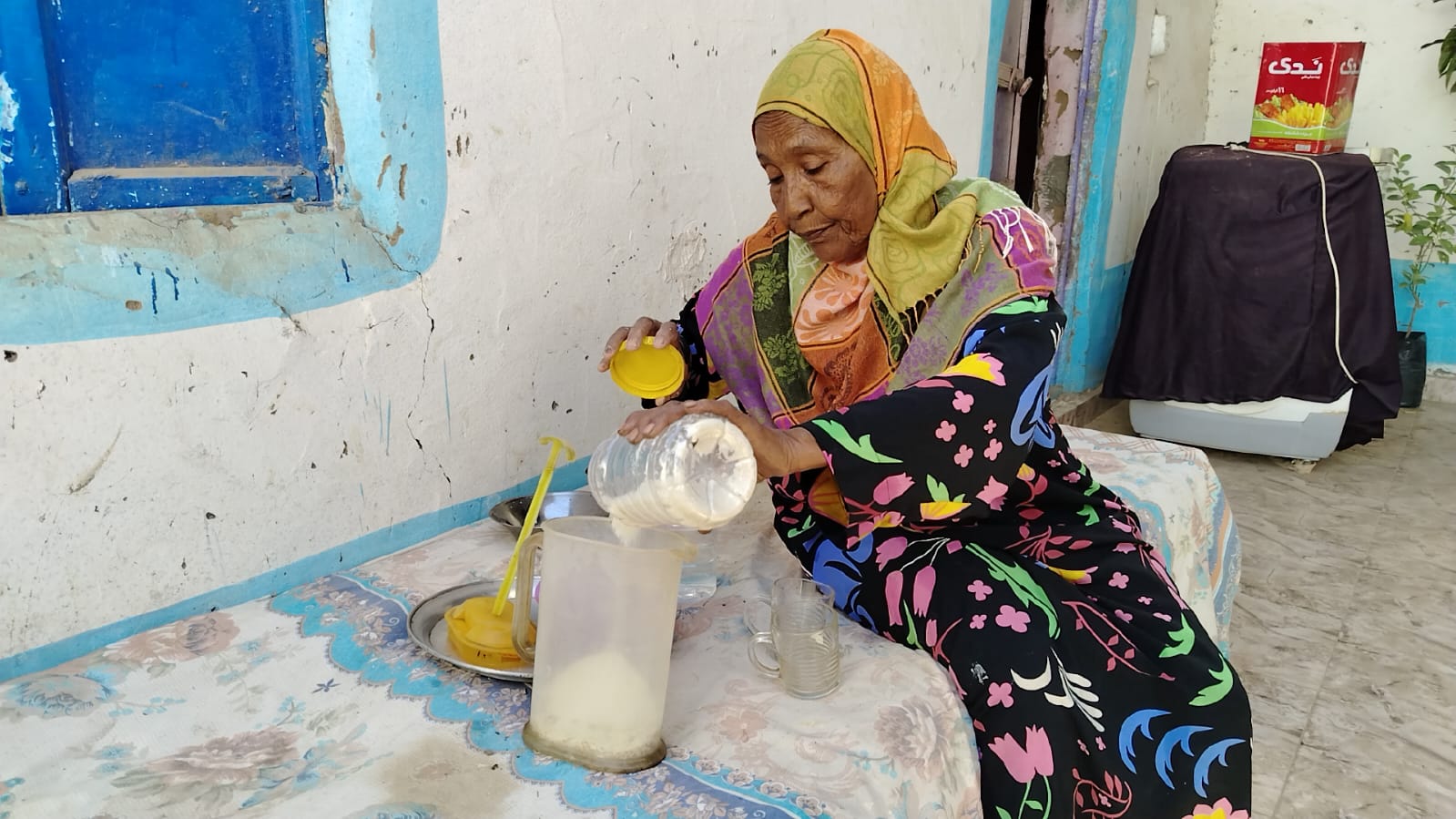
Hanan Dardiri from the village of Al-Ghallalab explains that families prepare extra quantities of abriya to send as gifts to relatives across Aswan, throughout Egypt, and even abroad. For Nubians living in diaspora, receiving abriya during Ramadan becomes a powerful emotional bridge to home, carrying memories of village life, shared meals, and ancestral traditions.
The Iftar Moment
At sunset, Nubian families traditionally break their fast with dates and a cup of abriya before heading to perform the Maghrib prayer. Only afterwards do they return to complete their meal. Throughout the holy month, not a single Nubian household is without this drink.
Once prepared, abriya sheets are laid out on woven palm mats to cool and dry, protected from dust and moisture. They are then broken into small pieces and stored in breathable cloth bags or placed in traditional woven containers designed for baked goods, preserving both texture and freshness.
While the cooking process once relied on palm fronds and clay stoves, modern households now use gas burners, blending tradition with convenience.
From Classic to Contemporary
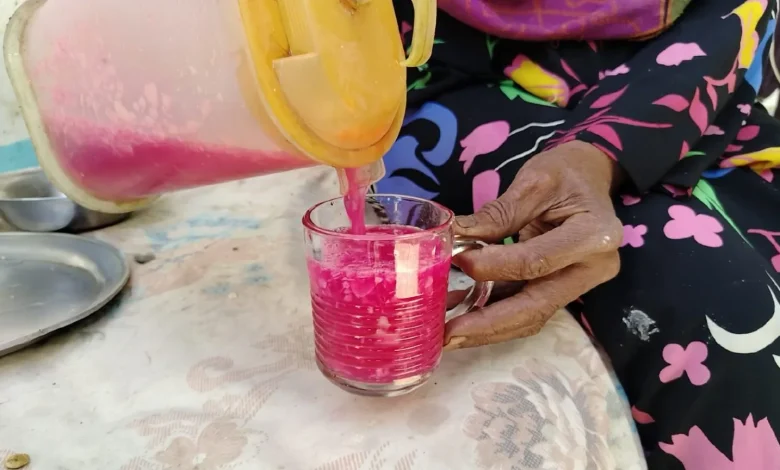
Historically, abriya was simply dissolved in water and sweetened with sugar and lemon. Today, Nubian families often experiment with additional flavors such as apple, strawberry, apricot, banana, or mango, creating vibrant modern variations that remain rooted in heritage. Garnished with fresh fruit and served in clear glasses, al-‘abriya continues to evolve while preserving its cultural essence.
In Aswan, al-‘abriya remains more than a drink. It is a living symbol of Nubian identity, communal resilience, and the enduring intimacy between food, memory, and faith during Ramadan.