Ramadan Preparations Ignite Trade in Aswan’s Iconic Tourist Market
As Ramadan approaches, Aswan’s tourist market comes alive with dates, herbs, spices, and Nubian drinks, reflecting the rich traditions and seasonal rituals of the region.
By Wafaa Amin

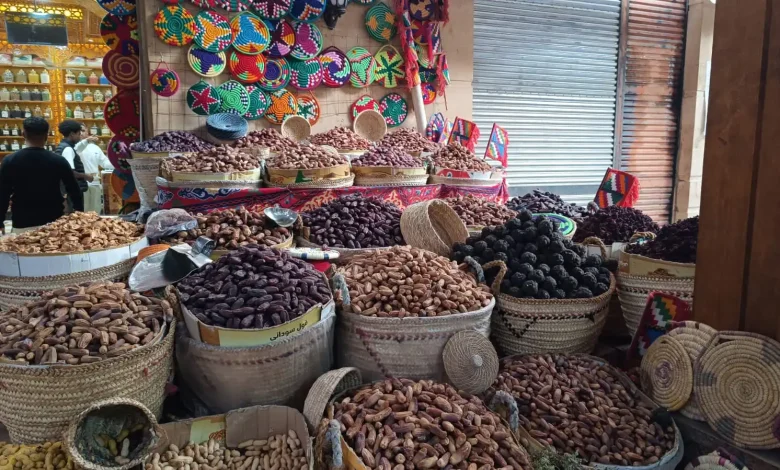
Stretching for nearly seven kilometres, the Aswan Tourist Market is a lively commercial artery where herbal shops, date vendors, spice traders, and colourful bazaars line both sides of the street, forming a vivid portrait of the city’s identity and most celebrated local products. As Ramadan draws near, preparations intensify across the market, with growing demand for Aswan dates, hibiscus, doum palm fruit, traditional Egyptian herbs, spices, and Nubian drinks closely associated with the holy month’s rituals and dining customs.

Herbs and Apothecaries: A Living Folk Pharmacy
In the weeks leading up to Ramadan, activity surges inside Aswan’s herbal and spice shops, where the air fills with the fragrance of dried plants and freshly ground spices. Traditional herbal remedies often described as “the fasting person’s prescription”, dominate the scene, carrying with them centuries-old folk knowledge.
Shihab Mohamed, an employee at one of the market’s herbal shops, explains: “Herbal stores in Aswan gain special momentum during this season. Families come seeking medicinal herbs and traditional spices that have long been associated with Ramadan fasting.”
He notes that Aswan’s geographical location contributes to its remarkable herbal diversity, with many plants sourced from Halayeb and Shalateen, alongside imports from Sudan.
Among the most sought-after herbs are halfa bar, wormwood, chamomile, marjoram, sage, and crystallised Sudanese gum arabic, prized for supporting kidney health. Other popular herbs include harjal, used to treat coughs and colds, and lemon grass, known for its diuretic and urinary-cleansing properties.

Natural Herbal Recipes for Ramadan
Shihab emphasises that most herbs sold during Ramadan are locally sourced Aswan products, reflecting the governorate’s long-standing reputation for natural herbal medicine. Demand rises sharply for herbs that promote satiety and digestive health, such as chia seeds, often used for weight management and appetite control.
There is also strong demand for herbal blends tailored to the elderly, especially remedies targeting diabetes, kidney health, salts, and kidney stones.
Herbs that stimulate metabolism and aid digestion after heavy iftar meals, particularly ginger and cinnamon, have become essential staples on Ramadan tables.
The Seven-Spice Blend: A Ramadan Essential
When it comes to Ramadan spices, Shihab highlights cumin, black and white pepper, coriander, bay leaves, and cardamom as indispensable ingredients in Aswan’s kitchens.
Ready-made spice and herbal blends are especially popular, including mixes for stuffed vegetables, liver dishes, grilled meats, shawarma, hawawshi, fish, mandi, and kabsa. Each spice merchant prepares these blends according to their own signature ratios, though the foundational ingredients remain constant.
Among the most in-demand mixtures is the famous “seven-spice blend,” which includes Chinese cubeb, cloves, rose buds, bay leaves, and other aromatic spices. Aswan residents tend to favor natural, loose herbs weighed and packaged before their eyes, rather than pre-packaged imported alternatives.

Aswan Dates Dominate the Ramadan Table
Mohamed Abu Zarrar, a veteran date merchant in the market, explains that Aswan dates are the centrepiece of Ramadan iftar meals. Aswan ranks among Egypt’s leading producers of dry dates, renowned for premium varieties such as Malakabi, Bartamouda, Jandila, Skouti, and Ibreimi, alongside Degna and Gergouda.
These varieties trace their origins to ancient Nubia, once home to some of Egypt’s finest palm groves. The Ibreimi date derives its name from the Nubian village of Ibrim.
Egypt’s climatic diversity has enabled it to cultivate fresh, semi-dry, and dry dates simultaneously, with Upper Egypt, particularly Qena, Luxor, and Aswan, dominating dry-date production.

Buying and Storing Dates
Mohamed Hussein Shetta, another herbal shop owner, notes that Ramadan preparations begin six months in advance, as merchants purchase dates immediately after harvest. The dates are carefully dried and stored in sterilised plastic sacks, protecting them from moisture and pests.
Sales peak during Rajab, Sha‘ban, and Ramadan, with both residents and tourists purchasing dates early, either for home use or as gifts to relatives in other governorates,a testament to Aswan dates’ reputation for quality and flavour.
Hibiscus, Tamarind, and Nubian Ramadan Drinks
Hussein adds that hibiscus (karkadeh) and tamarind remain essential Ramadan beverages, deeply embedded in Aswan’s and Nubia’s hospitality traditions.
Hibiscus, known for its deep crimson color and refreshing taste, helps lower blood pressure, improve circulation, calm the nerves, and support digestive health. Tamarind, balancing sweetness and acidity, strengthens immunity, aids digestion, and benefits respiratory and colon health.
Doum palm drink, made from the fruit of southern Egypt’s doum trees, is valued for lowering blood pressure and cholesterol, while carob supports blood sugar regulation and heart health. Liquorice, with its bold flavour, remains prized for soothing sore throats and alleviating coughs, though it is consumed cautiously due to its blood-pressure-raising properties.
Together, these traditions transform Aswan’s tourist market into a vibrant seasonal ritual, where commerce, heritage, and community meet in anticipation of the holy month.