Esna Loses a Century-Old Heritage Home Amid Growing Concerns Over Egypt’s Architectural Preservation
The demolition of a 100-year-old heritage house in Esna raises urgent questions about Egypt’s architectural preservation laws, heritage protection mechanisms, and the future of historic urban identity in Upper Egypt.
A Historic Home Reduced to Rubble
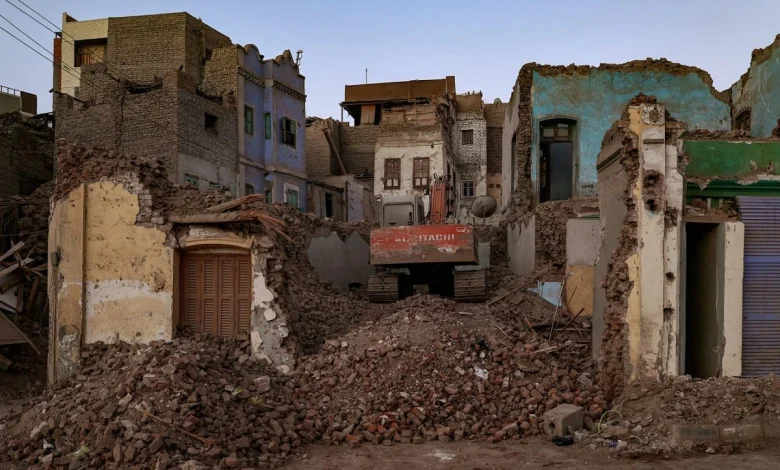
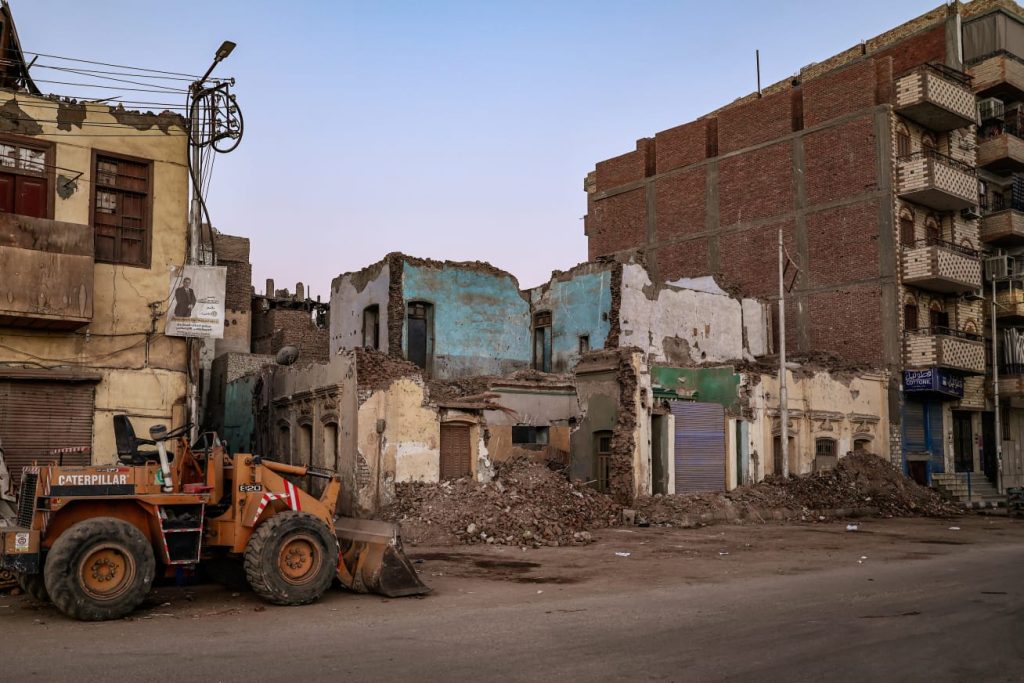
The southern Egyptian city of Esna, located in Luxor Governorate, has witnessed the demolition of a heritage house more than a century old, sparking widespread concern among heritage experts, conservationists, and residents. The building, which stood along the banks of the Nile, was renowned for its architectural character and historical value, yet was razed without prior heritage assessment, highlighting systemic failures in protecting Egypt’s urban legacy.
The incident has reignited debate over Egypt’s fragile heritage preservation framework, particularly regarding historic buildings that remain unregistered and thus legally vulnerable to demolition.
Over a Century of History Erased
According to a senior official at Esna’s antiquities department, who requested anonymity, the demolished house belonged to the heirs of the Al-Mahgoub family and dated back to the early twentieth century. Although the structure was not formally registered as a protected monument, it was widely regarded as one of Esna’s most architecturally significant heritage homes.
Only two building façades in Esna currently hold official heritage protection status: the façades of the Seven Gabran House and the Abdelmalek and Nakhla House. These are periodically monitored by authorities. The demolished building, however, fell outside this limited registry despite its substantial architectural merit.
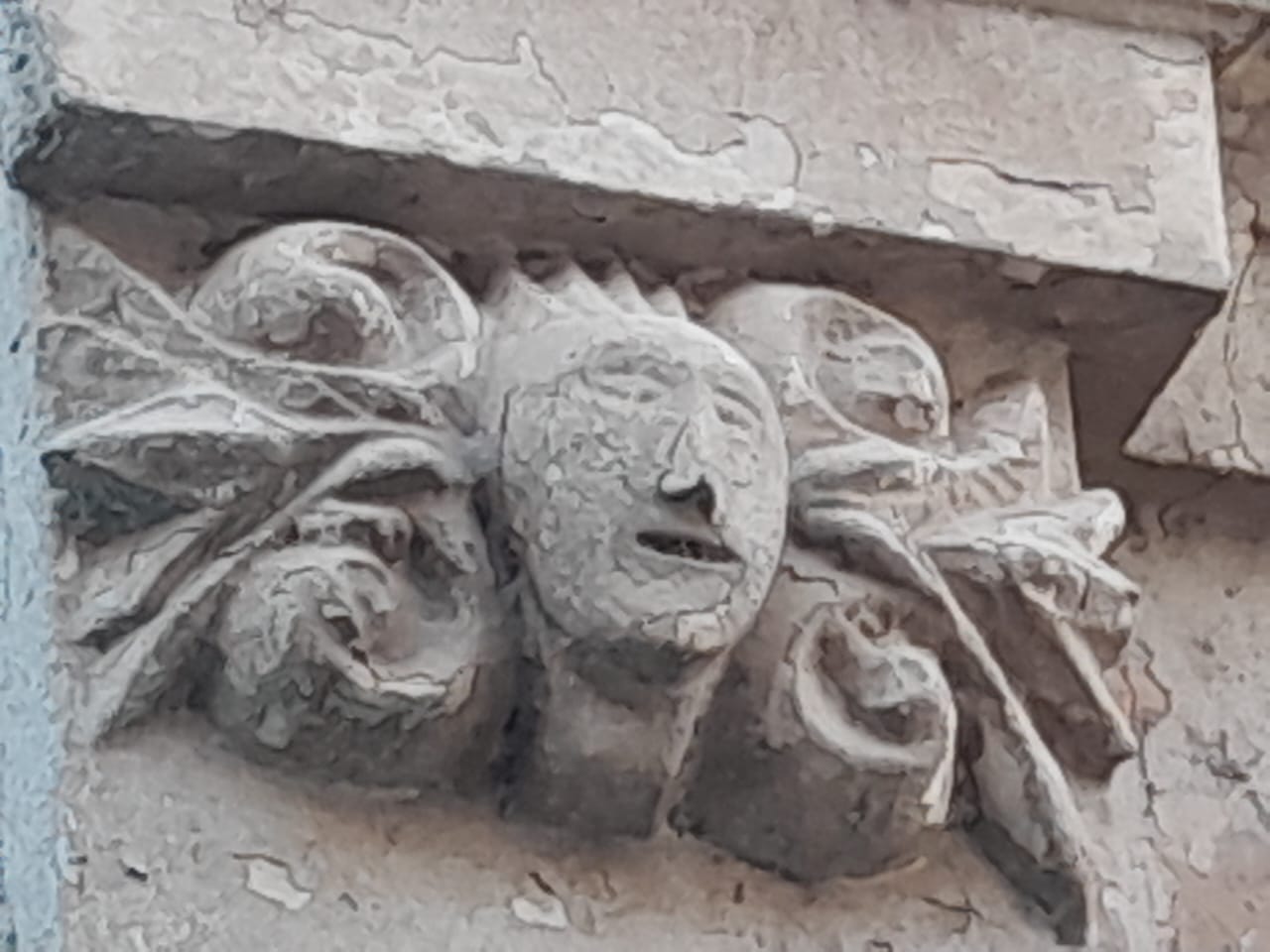
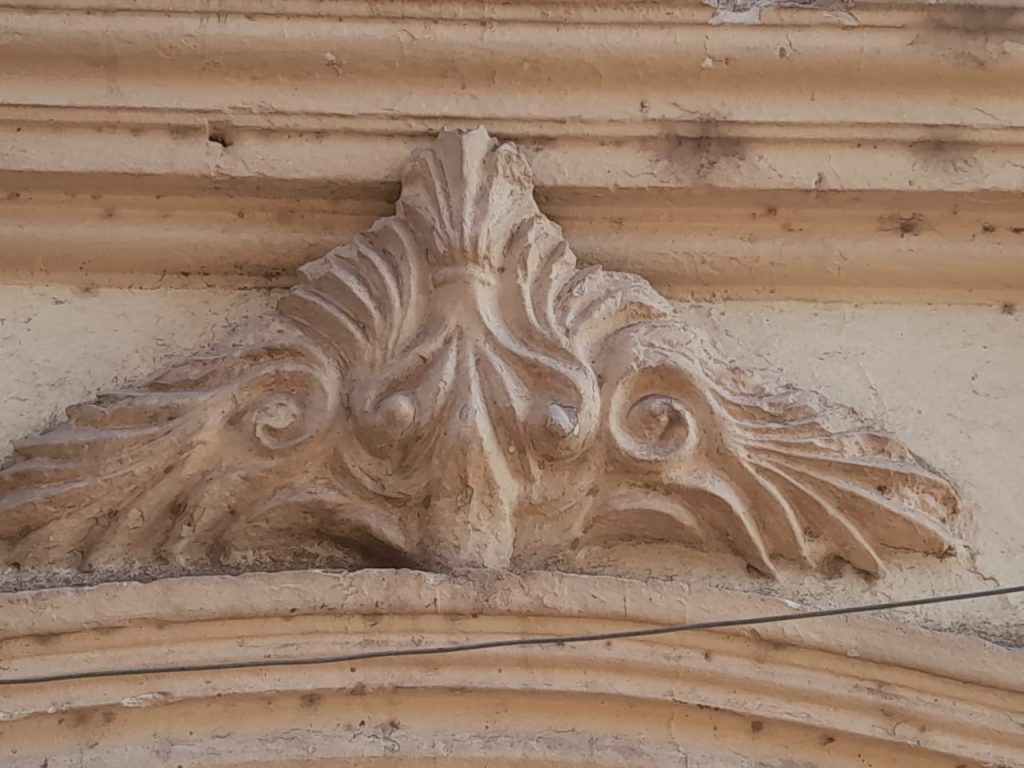
Experts identified distinctive features in the structure, including intricate wooden mashrabiyas, plaster-carved windows, ornamental motifs, and interior oil paintings. These elements reflected the architectural transition of the early twentieth century, which reflected Egypt’s modernisation.

Architectural Value and Lost Potential
Heritage specialists stressed that the home’s prime location overlooking the Nile could have enabled its adaptive reuse as a boutique heritage hotel, cultural center, or museum space. Such repurposing would not only have preserved the building but also strengthened Esna’s cultural tourism economy and urban identity.
Instead, its demolition represents a lost opportunity for sustainable development through heritage-led regeneration, an approach increasingly adopted worldwide to balance economic growth with cultural conservation.
Lack of Prior Notification Raises Alarms
Officials confirmed that no formal notification was issued to the antiquities authorities before demolition began. This prevented technical assessment or intervention to halt the destruction, raising questions about coordination failures between local administrations, heritage bodies, and regulatory agencies.
Experts argue that the building should have fallen under the jurisdiction of Egypt’s National Organization for Urban Harmony, which is tasked with safeguarding architectural heritage beyond officially registered monuments.
Legal Framework and Preservation Gaps
Dr. Abdel Rahim Rihan, head of the Egyptian Civilization Defense Campaign and a member of the Supreme Council of Culture, explained that heritage buildings in Egypt may be protected either under the Antiquities Protection Law No. 117 of 1983, which governs officially registered monuments, or under the Heritage Buildings Law No. 144 of 2006, which regulates the preservation of historic structures with architectural or cultural value that have not been formally registered as antiquities.
Under Law 144, each governorate is required to establish permanent committees responsible for surveying, classifying, and registering heritage buildings, followed by issuing protective decrees to prevent demolition. However, nearly two decades after the law’s enactment, a comprehensive nationwide inventory has yet to be completed, leaving thousands of historic structures exposed to unregulated destruction. This legal gap, Rihan warns, has contributed to repeated heritage losses across Egypt, including the demolition of historic houses and the burning of culturally significant buildings such as Mansoura Theatre.
Weak Enforcement and Insufficient Penalties
Although Law 144 criminalizes unauthorized demolition and prescribes prison sentences of up to five years and fines reaching five million Egyptian pounds, heritage advocates argue that these penalties remain insufficient, especially when compared to the immense financial gains generated by urban redevelopment.
Dr. Rihan has called for significantly harsher financial penalties and expanded legal authority for heritage oversight agencies, along with dedicated state funding to support documentation, restoration, and conservation efforts nationwide.
A National Crisis of Architectural Identity
The demolition in Esna reflects a broader national crisis, as Egypt’s historic urban fabric continues to erode under pressure from real estate development, soaring land values, and weak heritage governance. From Alexandria’s Belle Époque mansions to the vernacular homes of Upper Egypt, countless architectural landmarks have already vanished, threatening not only physical heritage but also collective memory and cultural continuity.
Preserving What Remains
Heritage experts stress the urgent need for a unified national database of historic buildings, strengthened enforcement mechanisms, and integrated conservation strategies that prioritize community participation, sustainable tourism, and adaptive reuse. Without decisive intervention, Egypt risks losing irreplaceable chapters of its architectural story, leaving cities increasingly stripped of their historical depth and identity.
A Final Loss Beyond Bricks and Stone
In the silent rubble of this erased house, Esna has lost more than a building. It has lost a fragment of its memory, its identity, and its living connection to a century of craftsmanship, artistry, and everyday life.