From the Heart of the Desert: How Wadi El-Assiuty Nature Reserve Became a Living Archive of Egypt’s Biodiversity
Discover Egypt’s Wadi El-Assiuty Nature Reserve, a living desert museum preserving rare wildlife, fossils, plants, and biodiversity in Upper Egypt.
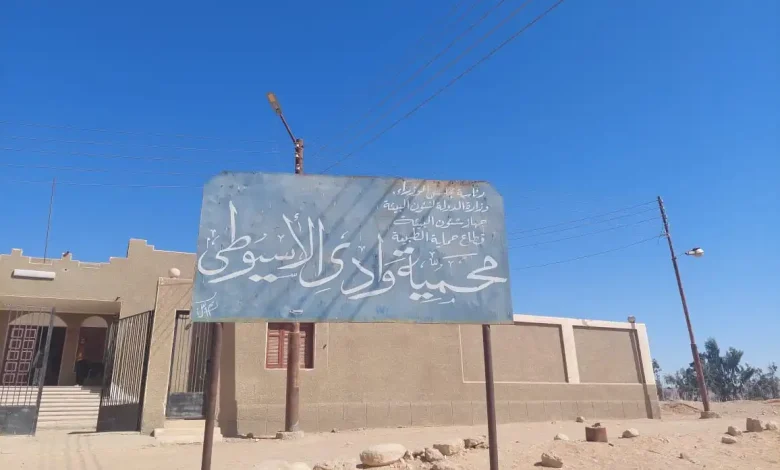
Hidden deep within the desert landscape of Upper Egypt, just outside the city of Assiut, lies a rare ecological sanctuary: Wadi El-Assiuty Nature Reserve. Home to a remarkable array of wildlife, plant species, geological formations, and fossils, the reserve functions as a living museum of desert biodiversity, offering visitors an immersive scientific and educational window into one of Egypt’s least explored ecosystems.
Every corner of the reserve tells a story of adaptation, survival, and ecological balance, transforming this remote terrain into a powerful testament to nature’s resilience and a vital model for conservation efforts aimed at protecting fragile desert environments for future generations.
A Small Museum with a Big Mission
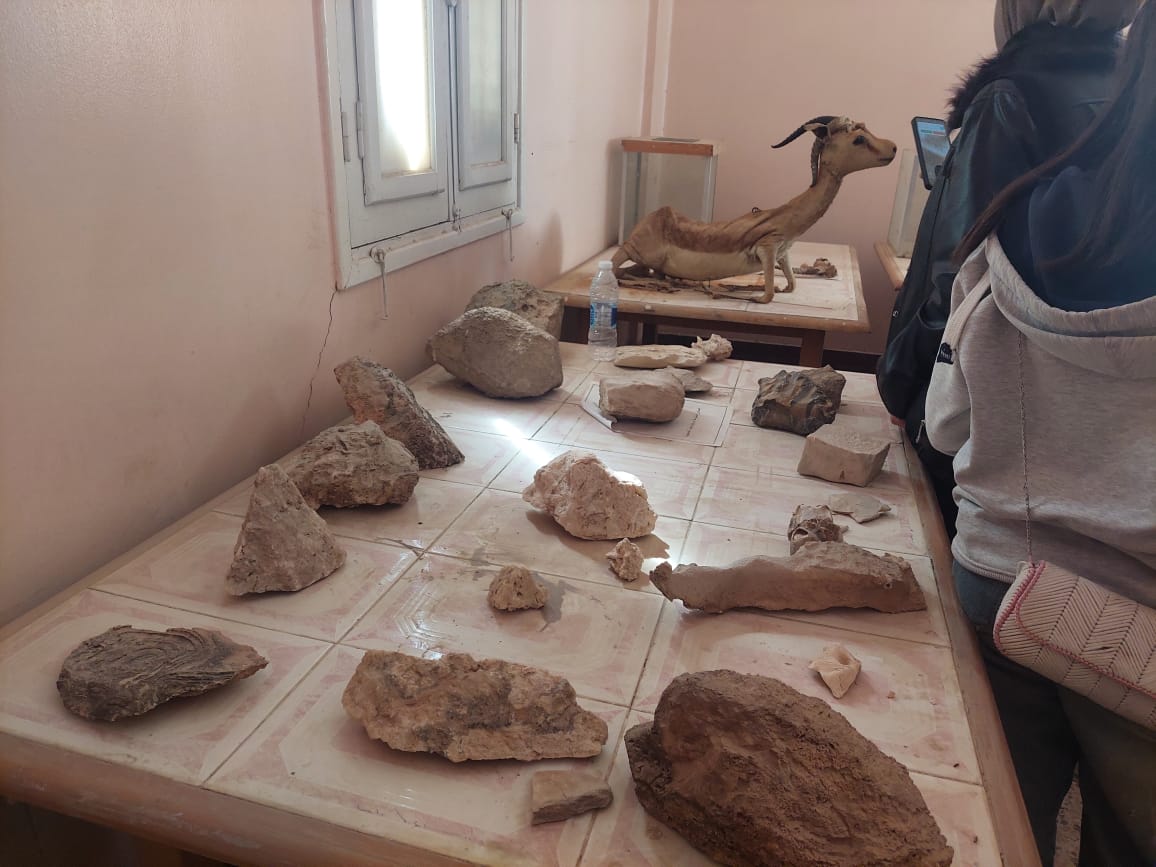
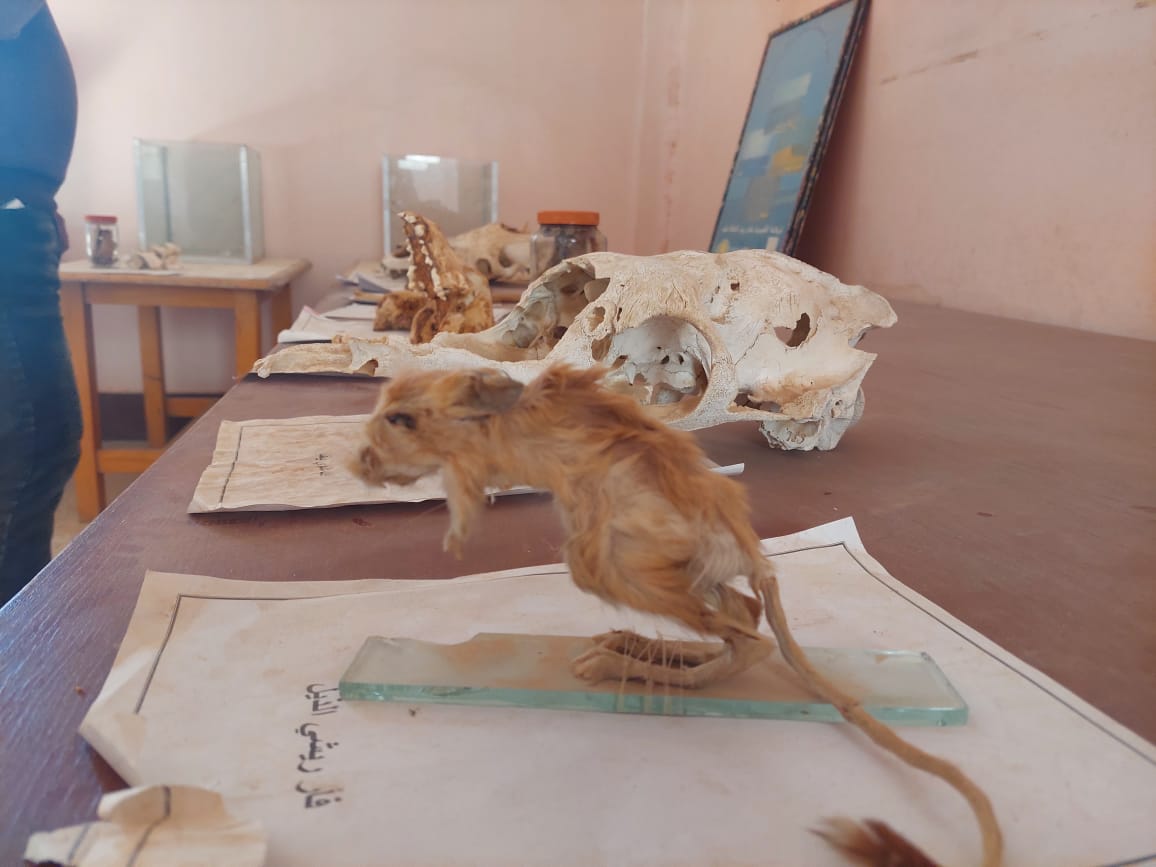
At the heart of the reserve is a modest yet richly curated taxidermy and natural history museum, developed through the personal efforts of local researchers. According to Dr. Ibrahim Mahmoud Ahmed Nafady, Professor of Botany and Microbiology at Assiut University and Director of the reserve, the museum was created to preserve rare biological specimens and safeguard endangered species from disappearing altogether. These preserved animals represent authentic samples of the reserve’s wildlife, curated and maintained by specialized researchers, forming a serious attempt to document Egypt’s desert biodiversity and protect it from extinction. Despite its small size, the museum houses a remarkable collection of taxidermied animals, geological specimens, fossils, and preserved plant seeds. A proposal has already been submitted to Egypt’s Ministry of Environment to establish a larger, state-of-the-art museum that would position Wadi El-Assiuty as a flagship model among Egypt’s protected natural reserves.
Astonishing Diversity of Species
The reserve shelters six principal mammal species, including the endangered Egyptian gazelle, wolves, hyenas, foxes, hares, mongooses, and a variety of desert rodents. Among the rarest specimens on display is the feather-tailed jerboa, a tiny nocturnal rodent uniquely adapted to desert life, whose delicate physiology reflects the remarkable evolutionary strategies required to survive in extreme aridity. The museum also exhibits skeletal remains of livestock preyed upon by wolves, offering visitors a rare, unfiltered insight into the desert food chain. One of the most striking displays is the skull of the golden jackal, a highly intelligent predator whose agility and sharp senses play a critical role in maintaining ecological balance. Though elusive and primarily nocturnal, jackals rarely threaten humans and typically emerge only under conditions of severe hunger or isolation.
Beyond mammals, the museum preserves an astonishing diversity of species, including hedgehogs, Egyptian spiny-tailed lizards, bats, desert geckos, and multiple rare snake species. Among the most formidable exhibits is a preserved cobra, whose presence underscores both the richness and the inherent dangers of desert ecosystems. Together, these specimens present a vivid narrative of predation, adaptation, and survival, illustrating how life persists under unforgiving conditions.
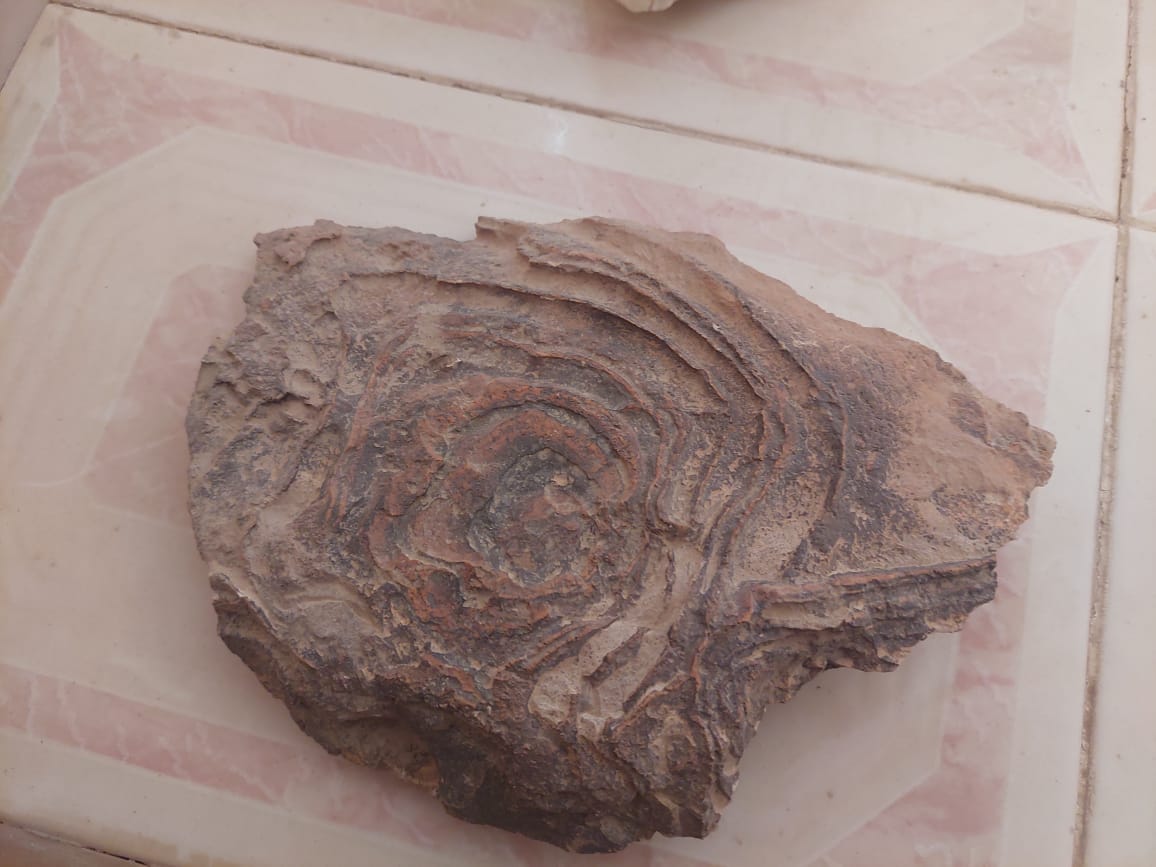
Equally compelling is the museum’s geological collection, which includes fossilized specimens demonstrating the gradual transformation of organic matter into stone over thousands of years through mineral replacement. Particularly striking are the fossilized coral reefs displayed within the museum, a startling discovery in the heart of a desert. These corals confirm that millions of years ago, the Mediterranean Sea once extended deep into Upper Egypt, submerging what is now arid terrain beneath saltwater. The museum also houses rare alabaster, a translucent stone highly prized by the ancient Egyptians for sculptures, ritual vessels, and sacred objects. When illuminated, this stone glows from within, revealing both its geological beauty and its cultural significance.
The Egyptian Gazelle: A Flagship Species
Among the reserve’s most precious inhabitants is the Egyptian gazelle, one of Egypt’s most endangered mammals and the primary conservation focus of the reserve. Researchers have recorded only thirteen individuals within the protected zone, appearing either alone or in small clusters, underscoring the species’ vulnerability. In response, the reserve has implemented targeted conservation strategies by establishing artificial water basins across the landscape, cultivating preferred forage plants such as acacia and marakh shrubs, and enforcing strict anti-poaching measures. These efforts aim to stabilize breeding populations amid mounting threats from climate change and habitat degradation.
A Living Classroom for Future Generations
The museum also conserves sixty-six species of desert plant seeds, carefully collected and cataloged for scientific research. Many of these plants possess medicinal and therapeutic properties, offering promising avenues for pharmaceutical study and sustainable desert agriculture. This botanical archive not only preserves biological heritage but also provides opportunities for medical and environmental innovation.
Extensive ecological surveys conducted at the reserve have documented an extraordinary 357 species to date, including sixty-six plant species, six mammal species, fifteen reptile species, seventy-eight resident and migratory bird species, eighty-seven insect species, and one hundred and five fungal species. This remarkable biodiversity challenges conventional perceptions of Egypt’s deserts as barren wastelands and instead reveals them as complex, thriving ecosystems.
Beyond conservation, the reserve serves as a living classroom, attracting daily visits from schoolchildren and university students. These immersive educational experiences allow young visitors to engage directly with Egypt’s natural heritage, fostering environmental awareness and ecological literacy. As Dr. Nafady emphasizes, these encounters transform learning into wonder, nurturing a lasting sense of responsibility toward nature and encouraging future generations to protect what remains of Egypt’s fragile desert ecosystems.