Migratory Birds Put Aswan on the Global Ecotourism Map
From the Nile to the desert, migratory birds are reshaping Aswan’s identity as a leading ecotourism and birdwatching destination in Egypt.
By Wafaa Amin
Along the banks of the Nile, amid river islands and protected natural reserves, Aswan transforms each year into a vital hub on the global bird migration map. The city welcomes dozens of migratory bird species arriving from Europe and Asia on their long journeys in search of warmth and food. This remarkable biodiversity has not only made Aswan a major transit point for migratory birds but has also opened new horizons for sustainable tourism, particularly birdwatching tourism, which attracts nature enthusiasts, photographers, researchers, and ecotourists from around the world.
By combining stunning natural landscapes with biodiversity conservation, Aswan is increasingly recognised as one of Egypt’s most promising ecotourism destinations.
Aswan’s Importance on Global Migration Routes
Recent statistics highlight the scale of Aswan’s ecological significance. The Egyptian Society for the Protection of Nature has recorded approximately 354,500 migratory birds at the beginning of each annual migration season in May. These birds rest and refuel in various natural reserves across Egypt, including several key locations in Aswan Governorate.
The society also documented the passage of more than 90 percent of the global population of the Steppe Eagle and nearly 50 percent of the global population of the Levant Sparrowhawk among 34 migratory bird species. These findings confirm Egypt’s central role, and particularly that of Aswan, within global migration corridors, strengthening its position as a leading birdwatching tourism destination in the Middle East and North Africa.
Birdwatching as a Global Hobby
During a field trip in Aswan, Bab Masr spoke with Ismail Khalifa, a professional birdwatcher, about the global importance of birdwatching, local bird diversity, and conservation challenges.
Khalifa explained that birdwatching is one of the most popular nature-based hobbies worldwide, practiced by millions of people. In the United States alone, more than 96 million individuals identify as birdwatchers, according to a 2022 survey. People observe birds both in their home gardens and in open natural landscapes.
He noted that birdwatching offers significant psychological benefits by encouraging mindfulness, contemplation, and emotional well-being. Scientifically, it plays a critical role through citizen science initiatives, in which birdwatchers collect and share valuable data with researchers. This information supports studies on bird populations, migration routes, seasonal timing, and life cycles.
Birdwatching for All Initiative
Driven by his passion for wildlife, Khalifa underwent specialised training in bird identification and launched the community initiative Birdwatching for All. The program aims to raise environmental awareness in Aswan by organising guided field trips that introduce residents and visitors to bird species in their natural habitats.
These activities contribute directly and indirectly to bird conservation and promote responsible environmental behavior. Khalifa emphasised that protecting birds remains the core mission of the growing birdwatching community.
Resident and Migratory Bird Species in Aswan
Aswan hosts both resident and migratory bird species. Resident birds live and breed in the region throughout the year, including the Purple Swamphen, Egyptian Goose, plovers, Little Green Bee-eater, and bulbuls.
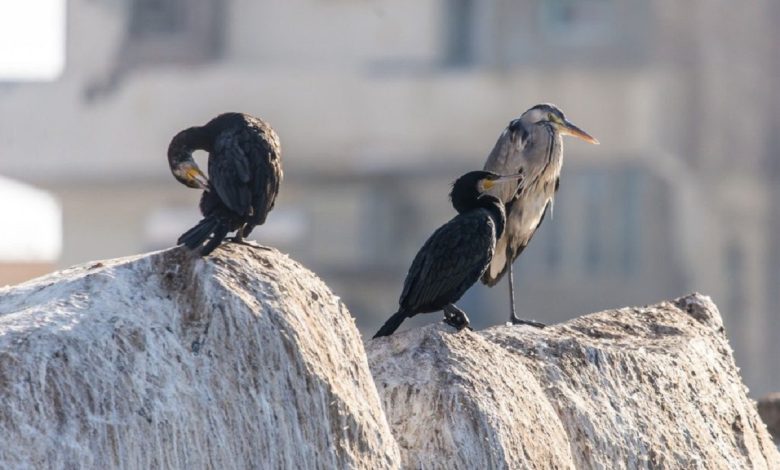
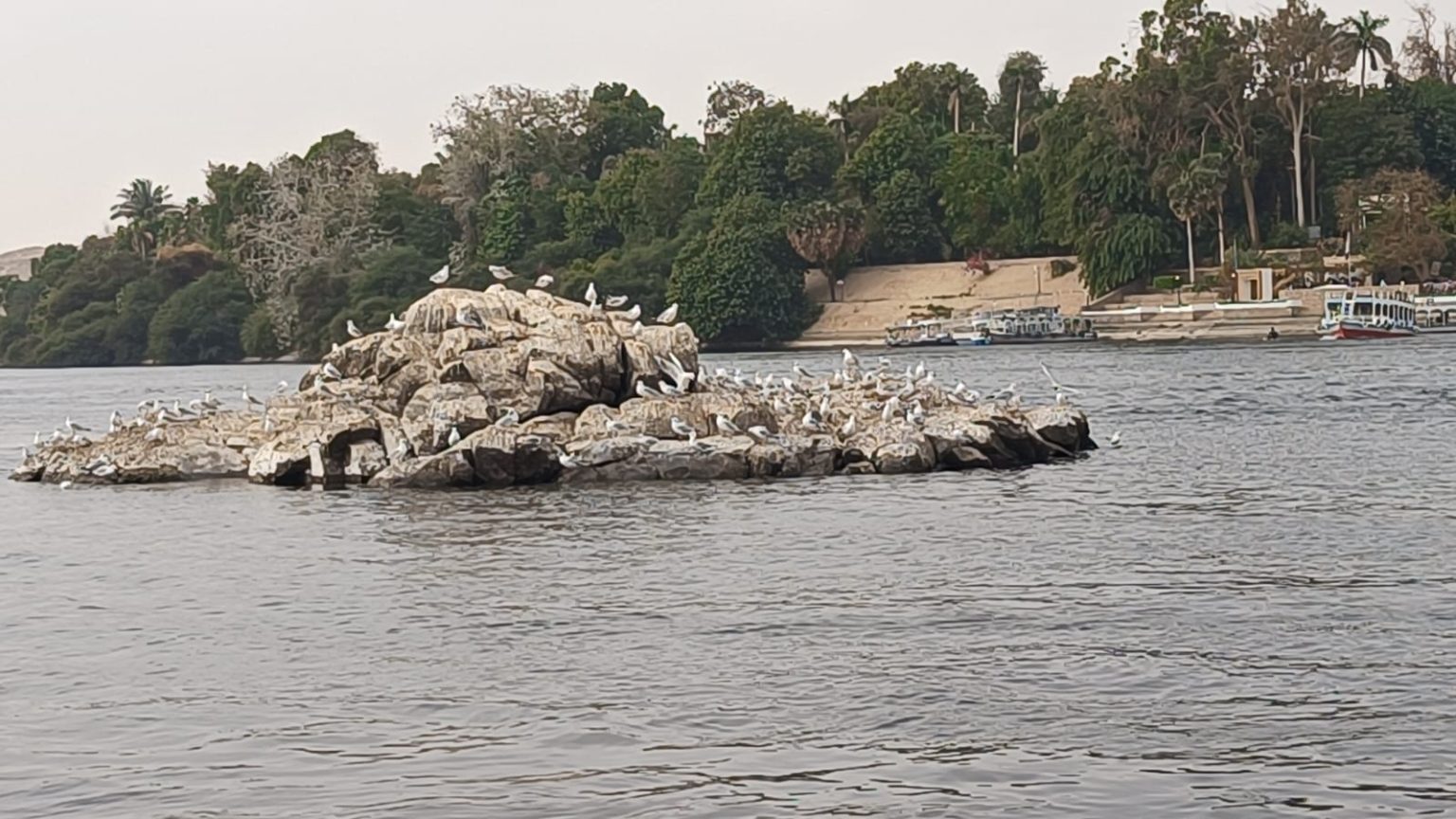
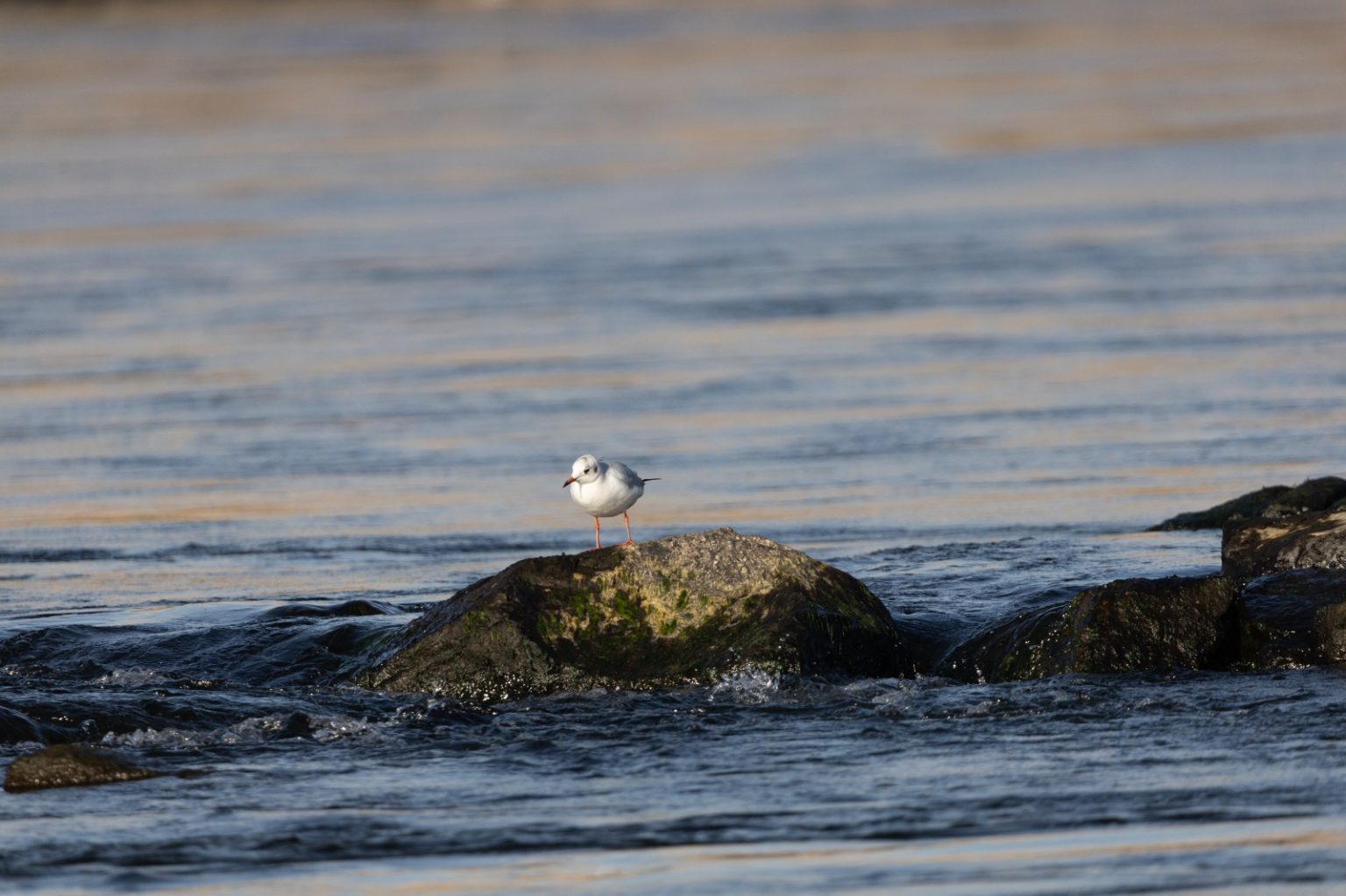
Migratory species arrive during the spring and autumn migration seasons, as well as wintering species such as Northern Shoveler, Eurasian Teal, Garganey, cormorants, gulls, and terns. Together, these species create one of Egypt’s richest bird habitats.
Threats Facing Migratory Birds
Illegal hunting remains the most serious threat to migratory birds, particularly in northern Egypt, where thousands are killed annually. Khalifa noted that the Ministry of Environment has intensified monitoring efforts and imposed strict bans on tourist hunting in Lake Nasser after evidence emerged of declining bird populations.
Other major threats include habitat loss, wetland degradation, electrocution from power lines, collisions with wind turbines, and poisoning. Khalifa described the arrival of birds in Aswan as a natural miracle, considering the many dangers they survive. Some species continue their migration southward as far as southern Africa.
Conservation Success Story: The Ferruginous Duck
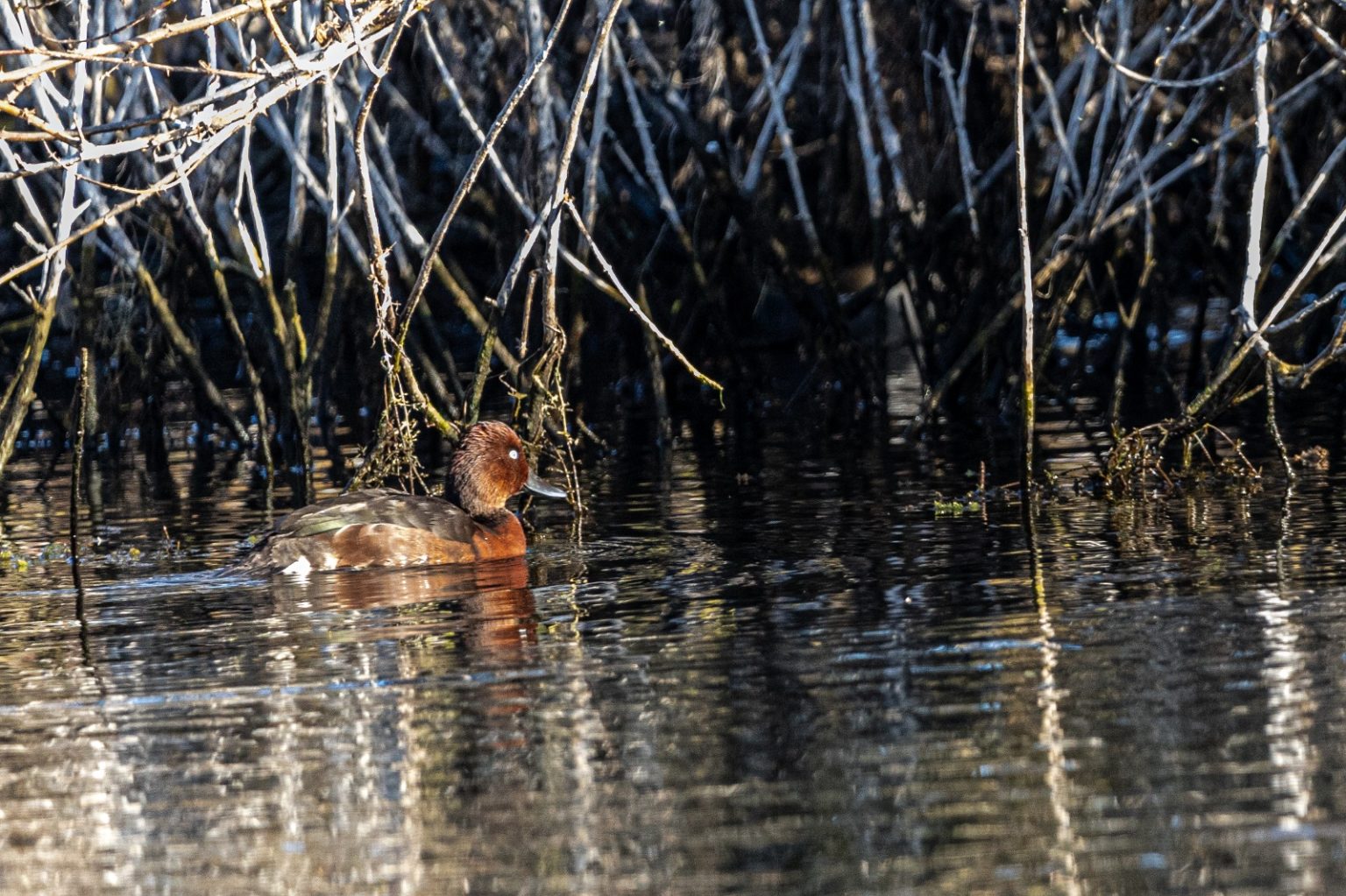
One of Aswan’s most remarkable conservation achievements is the settlement of the endangered Ferruginous Duck. Globally threatened by illegal hunting and habitat loss, this species began breeding in Aswan approximately 15 years ago and has since become a resident bird, with large populations recorded along the Nile. This success story is unique to Aswan and highlights the region’s ecological importance.
Birdwatching Tourism and Economic Impact
Khalifa called for collective action to protect birds under the slogan “Let them pass in peace.” He stressed that bird conservation directly supports ecotourism, as visitors travel specifically to Aswan to observe its diverse birdlife. This growing tourism segment provides sustainable economic benefits to local communities while preserving natural ecosystems.
Aswan as a Major Wintering Ground
Egypt is home to nearly 500 bird species, while Aswan alone hosts around 200 species. These include resident, wintering, and migratory birds, many of which are rare and environmentally significant.
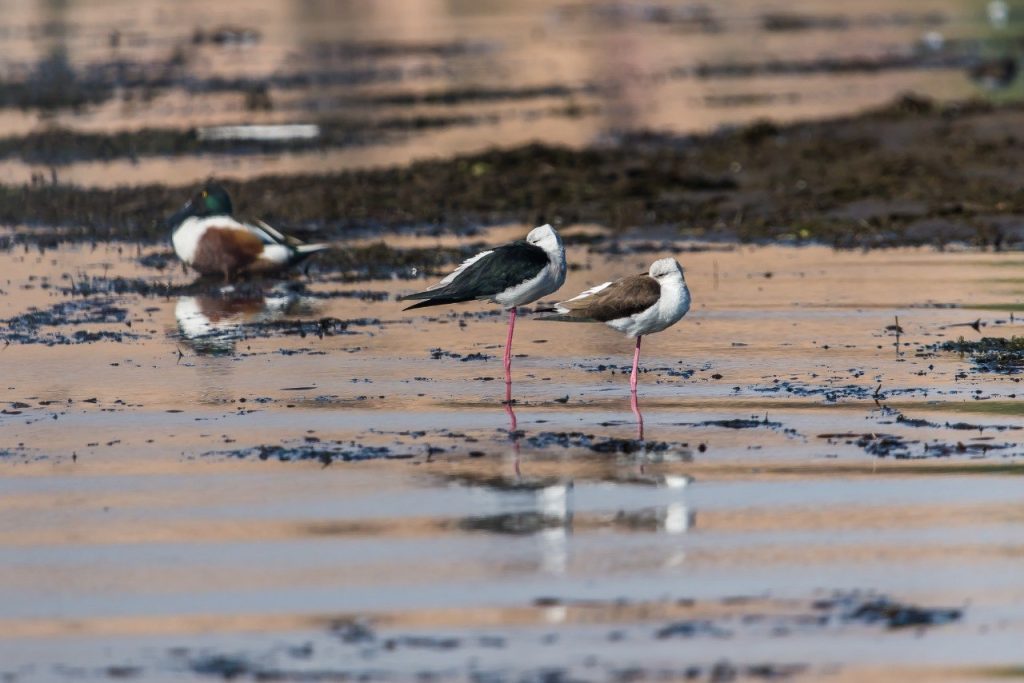
Aswan serves as a key wintering site for wading birds such as sandpipers, stilts, and lapwings, in addition to multiple species of ducks and herons. These birds depend on the Nile banks, Lake Nasser, river islands, protected reserves such as Saluga and Ghazal, Wadi Allaqi, drainage stations, and wetland habitats.
Climate Change and Its Impact on Bird Migration
Climate change represents one of the greatest threats to global bird populations. Rising temperatures and shifting weather patterns disrupt breeding cycles, migration timing, and food availability.
Dr Amr Abdelhady, an environmental researcher, explained that birds rely on precise environmental cues to determine nesting and migration periods. Climate instability causes dangerous mismatches between temperature and food resources, forcing birds to alter breeding schedules and migration routes. Many now arrive in habitats before suitable feeding conditions exist, threatening their survival after long journeys.
Habitat Transformation and Ecological Risks
Climate change is also transforming natural habitats, leading to major shifts in bird distribution. Some species are appearing in new areas while disappearing from traditional habitats, signaling rapid ecological imbalance. Abdelhady warned that these changes increase extinction risks and require urgent conservation action.
Each migrating flock that reaches Aswan carries with it a story of endurance, survival, and fragile balance. Preserving these journeys means protecting the delicate ecosystems that sustain them. As awareness grows and conservation efforts expand, Aswan is uniquely positioned to become a sanctuary not only for birds, but for a deeper, more respectful relationship between humans and the natural world.