“Extend Your Grace, O Tiba”: Reviving Religious Chanting and the Hilali Epic for Children at Luxor Public Library
Luxor’s Egypt Public Library hosts historic workshops for children, featuring Egypt’s first female Hilali Epic narrator and renowned chanter Shaimaa El-Nubi.
By Jehad Abdel Rahim
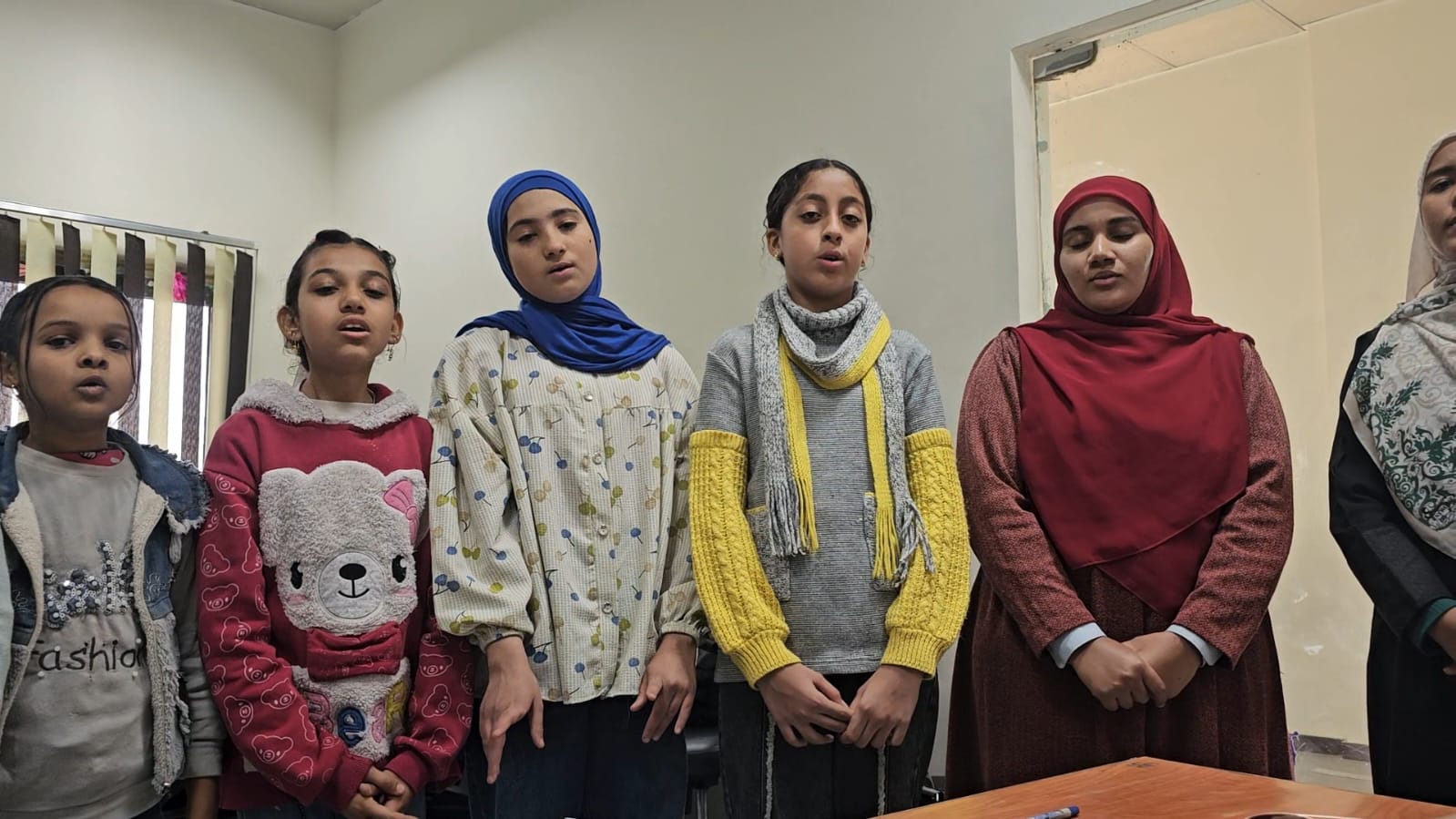
For several days, the Egypt Public Library in Luxor, in collaboration with the Workshop Association, has hosted the inaugural edition of the training program “Extend Your Grace, O Tiba.” Named after the ancient designation of Luxor, which was once the historic city of Thebes, this initiative features specialised workshops designed to train children in religious chanting, traditional folklore, and the Hilali Epic. This program represents a serious endeavour to reconnect younger generations with the authentic vocal arts of Egypt in a city defined by its deep roots in civilisation and heritage. Throughout the event, the halls of the library echoed with the voices of children practising vocal maqamat, which are the traditional Arabic melodic scales that include unique quarter tones.
A Vision for Artistic Heritage and Mentorship
The program was launched by the Workshop Association for Collecting Artistic Heritage, led by the artist Shaimaa El-Nubi, who is affectionately known as “The Voice from Heaven.” This cultural mission is sponsored by the Ministry of Youth and Sports and the Luxor Governorate, in collaboration with the Youth Leaderships Club and the Luxor Directorate of Youth and Sports. Over the course of four days, the library served as a cultural hub where, for the first time, El-Nubi provided free training in three specific tracks that form the core of Egypt’s auditory memory: religious chanting, folklore, and the Hilali Epic. The Hilali Epic is a legendary oral poem recognized by UNESCO as part of the world’s intangible heritage, chronicling the ancient travels and wars of the Bani Hilal tribe.
Empowering the Next Generation of Chanters
Speaking to Bab Masr, Shaimaa El-Nubi explained that the goal goes beyond mere performance, seeking instead to reintroduce heritage arts in a contemporary context. Reflecting on her own journey, she shared how she suffered from a lack of mentors in her youth. Because her family could not afford private lessons, she remained self-taught for years, an obstacle she hopes to remove for the children of Luxor. This mission is already bearing fruit for students like Sama Al-Shatir Mohamed, a sixth grader who previously memorized chanting from the internet without understanding the technical rules. Through the workshop, Sama learned the science of the maqam, transforming her raw talent into structured knowledge and instilling a sense of pride in her cultural identity.
From Education to the Roman Theater Stage
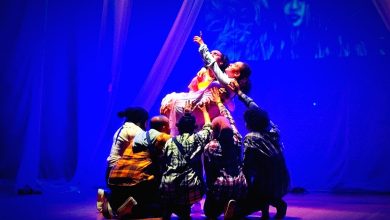
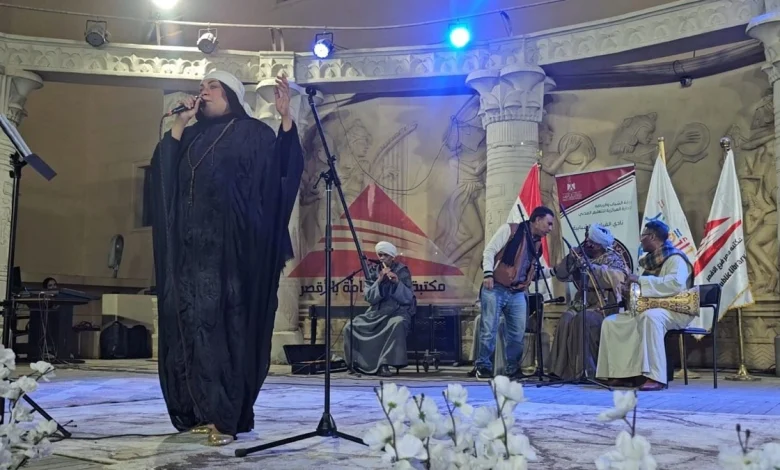
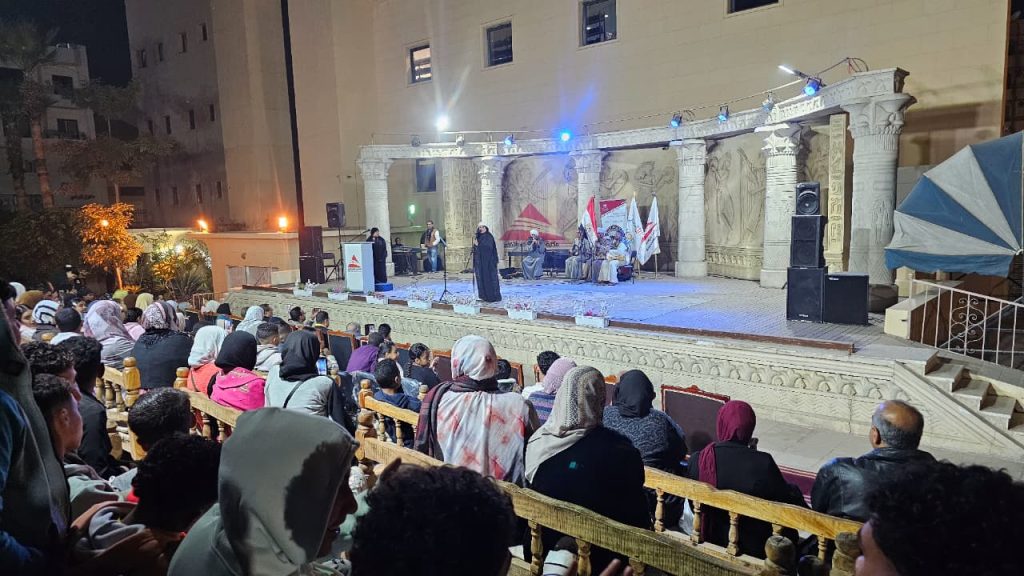
The program successfully bridged the gap between education and live performance through two grand celebrations at the Roman Theater within the Egypt Public Library grounds. The first celebration, held on January 28, was dedicated to religious chanting and Mawwal, which is a traditional form of vocal improvisation. The second night, held on January 29, focused on the Hilali Epic, blending song with dramatic narration. These performances allowed the children to debut as a unified musical ensemble before their families and the public.
Breaking Barriers in the Hilali Epic Tradition
A historic highlight of the event was the participation of Nehal El-Hilali, a native of Qena and Egypt’s first female narrator of the Hilali Epic. Traditionally a male-dominated field, Nehal overcame scepticism from masters of the craft who believed the tender hearts of women were unsuited for the epic’s tales of war. By learning to shift her vocal tones and wear traditional costumes, she has become a pioneer in the field. She is now accredited by the Hilali Heritage Preservation Association in Aswan.
A Sophisticated Alternative to Modern Auditory Trends
Dr Abdallah Mohamed, head of the Youth Leadership Club, emphasised that the ultimate goal of the partnership is to create a new generation capable of carrying these arts forward. He noted that Luxor’s cultural diversity makes it the ideal environment for such an experiment, offering a sophisticated alternative to modern auditory clutter through education and genuine engagement with art.