Lower Egypt

The Fading Melodies of Upper Egypt: How DJs Are Replacing Traditional Wedding Songs in Assiut

How modern technology is silencing centuries-old Egyptian folk music traditions in rural communities
A Musical Heritage Under Threat

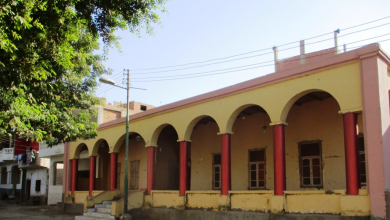
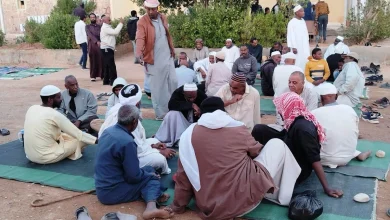
In the villages and hamlets surrounding Assiut, a major city in Upper Egypt approximately 250 miles south of Cairo, an ancient musical tradition is quietly disappearing. For centuries, the region’s folk songs accompanied every significant life event: weddings, harvest seasons, cotton-picking, and community celebrations. These melodies, passed down through oral tradition and performed with traditional instruments like the duff (a large frame drum similar to a tambourine), mizmar (a double-reed woodwind instrument), rababa (a spike fiddle), and tabla (hand drums), formed the soundtrack of rural Egyptian life.

Today, these traditional sounds have been largely replaced by DJ equipment and electronic music, particularly at weddings, the cornerstone of social celebration in Egyptian village life. The shift represents more than just changing musical tastes; it signals a fundamental transformation in how communities celebrate, gather, and pass down cultural knowledge.

Voices from the Village: Memories of Traditional Celebrations

Seventy-year-old Hassnaa El-Sayed sits outside her home in an Assiut village, humming melodies learned from her mother and grandmother. The traditional wedding songs she remembers are rich with imagery: grapes, pomegranates, gardens,each metaphor carrying deep symbolic meaning in agrarian society, conveying wishes for fertility, prosperity, and happiness.

“Folk songs are not just words we inherit over the years; it’s a daily folk ritual where women gather for joy and happiness,” Hassnaa explains.

She describes how different the past was: “In the past, singing didn’t need a wedding for us to sing. We used to gather in the afternoons, especially during weddings and seasons, repeating the songs we had memorized. The joy back then was simple, sincere, and coming from the heart.”

The symbolic depth of these songs wasn’t lost on the women who sang them. “Even the word ‘grapes’ in the song is not an ordinary word; it’s a harbinger of good news and the beginning of joy, the groom entering his home and his new life,” Hassnaa notes.

When Weddings Were Community Events

Nagwa Ali, in her sixties, remembers when weddings were multi-day affairs centred around live musical performance. Traditional Egyptian village weddings involved elaborate rituals spread over several days, with women playing a central role in the musical celebrations. They would gather separately from the men, creating call-and-response songs, rhythmic hand-clapping, and drum circles that could last for hours.

“The weddings of the past were sweeter,” Nagwa recalls. “We used to go up to the rooftops or the street, sit together in circles, and the women would sing mawawil (improvised vocal segments) and beautiful songs.”

The change has been dramatic. “The new generation doesn’t know the old songs. Weddings have changed.. The DJ entered and buried our songs. No one wants to hear calm words or a long mawwal anymore; they all want fast words and loud sounds.”

Nagwa sees modern weddings as having lost their uniqueness: “Weddings have become a repeated copy… the same songs and the same crowd.”

She identifies the smartphone as another culprit in the transformation: “Nowadays, every woman going to a wedding is holding her phone and filming; the spirit of the celebration has disappeared. Our beautiful songs are being lost, and if they go, they won’t return.”

The Lost Ritual of the Zeffa

Saadiya Hussein describes the hours before the zeffa, the traditional wedding procession where the bride is escorted to her new home. These pre-procession gatherings served multiple functions: they announced the upcoming celebration to the entire village, allowed women to demonstrate their musical skills, and created an emotional buildup to the main event.

“I still remember like it was today the hours before the zeffa. We would gather in front of the houses, each holding her duff, and the voices would rise with songs,” Saadiya recalls.

The songs often incorporated the names of local families and references to the community’s agricultural abundance (plums, pomegranates, oranges), connecting the celebration to the land itself.

“The songs of the past used to gladden the heart. Sometimes I feel time looks at us and reminds us of what we were. The little stories in the old songs have disappeared, and the times when we were one soul are being forgotten,” Saadiya reflects.

Understanding Egyptian Folk Music Traditions

Folklore Versus Heritage Music

Maestro Nasr El-Din Ahmed, a music trainer at Assiut Culture Palace, makes an important distinction for understanding Egyptian musical traditions.

“Folklore has no musical composer or poet; it is composed by the people. People in the old days composed it on benches and in the streets,” he explains. These songs emerged organically from communities, with lyrics and melodies evolving over generations through oral transmission.”

The Economics of Cultural Change

The shift from traditional music to DJs isn’t purely about taste,it’s also about economics. Ahmed points out that live musical bands, which were popular at Egyptian weddings through the 1990s, have been priced out of the market.

The financial reality is stark: instead of a wedding costing twenty thousand Egyptian pounds (approximately $650 USD) for a traditional band, with modern electronic equipment it costs no more than four thousand pounds (approximately $130 USD). In rural areas where most families survive on modest incomes, this price difference is stark.

Traditional wedding bands required multiple musicians (drummers, wind instrument players, singers) along with their instruments and often sound equipment. A DJ setup requires only one person with speakers and a laptop or music system, making it far more affordable for families already stretched thin by wedding expenses.

Technology’s Double-Edged Sword

Hossam Abdel Aziz, an Assiuti playwright and cultural observer, identifies mechanization and modern technology as primary culprits in the erosion of folk traditions, but not in the way one might initially think.

“Technology has contributed a large share to the decline and displacement of Egyptian heritage and folk songs,” Abdel Aziz argues. “With the emergence of technology that saved time and labor, the Egyptian farmer abandoned many of his old rituals and customs, the most prominent of which was gathering with his family and neighbours.”

Traditional agriculture in Egypt’s Nile Valley was intensely communal. Harvest seasons, particularly for cotton (historically Egypt’s major cash crop), required coordinated group labour. “Work in the past was divided into groups, each group responsible for specific tasks: one group for food, another for songs, another for harvest,” Abdel Aziz explains.

These work songs served practical purposes: they coordinated physical labor, made repetitive tasks more bearable, and created rhythm for synchronized group work.

When mechanical harvesters and modern farming equipment replaced human labor gangs, the social context that generated and preserved these songs vanished. The singers who once improvised verses during harvest work, and who would later perform at community celebrations, found their skills no longer needed.

The Death of Occasion-Specific Music

“With the emergence of technology, the negative impact on those groups was clear, and the practice of many customs and rituals in agricultural work, weddings, and even funerals was neglected,” Abdel Aziz continues. “Consequently, those who excelled in composing those songs that were sung during seasons, weddings, and other occasions disappeared, and another type of mediocre songs that are sung without any celebratory occasion appeared.”

This shift reflects a broader global pattern: as traditional social structures dissolve under modernisation pressures, the music embedded in those structures loses its context and meaning. Young people in Assiut villages now grow up without participating in harvest work groups, without learning songs from elder community members, and without understanding the agricultural metaphors that pervade traditional lyrics.

What Remains: Resistance and Hope

Despite these challenges, Abdel Aziz notes that Assiut maintains stronger connections to its folk traditions than many other Egyptian regions. “And despite all this, Assiut still resists the waves of DJs and the accompanying noise and clamour, to preserve what remains of its folk singing heritage, and so that the new generations know that heritage is a living voice resisting the decline that popular taste is going through.”

Government cultural centres like the Assiut Culture Palace work to preserve traditional music through training programs and performances. Some families continue to incorporate traditional elements into their celebrations. And women like Hassnaa, Nagwa, and Saadiya keep singing the old songs, even if their audiences grow smaller each year.

Yet the question remains: Can these folk traditions survive when the social and economic structures that created them have fundamentally changed? Or are these final singers the last living links to a musical heritage that will soon exist only in archives and academic studies?

Related Articles

Back to top button
BabMasr