
Living Cartographies: The Digital Crusade to Map and Shield Egypt’s Endangered Trees
A digital crusade in Egypt maps and shields rare, indigenous trees to preserve the nation’s ecological heritage.
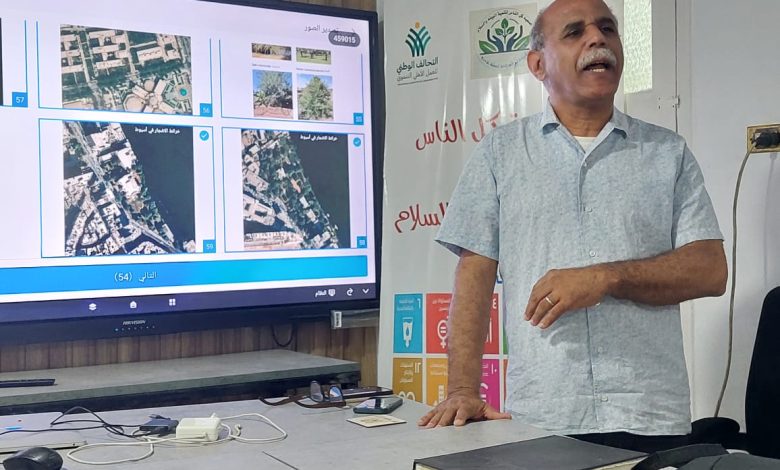
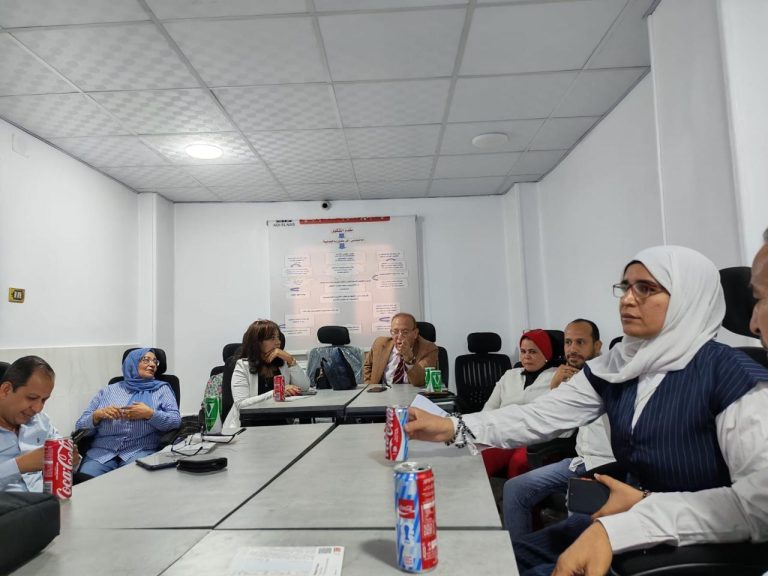
The “All People for Environmental Development and Peace” association launched its foundational activities for the “Tree Maps” initiative, a digital crusade engineered to document rare arboreal species and anchor a comprehensive database to shield them from destruction. The unveiling took place during a symposium that interrogated the ecological sanctity of trees, showcasing innovative frameworks designed to awaken societal consciousness to their intrinsic value and the urgent necessity of their preservation.
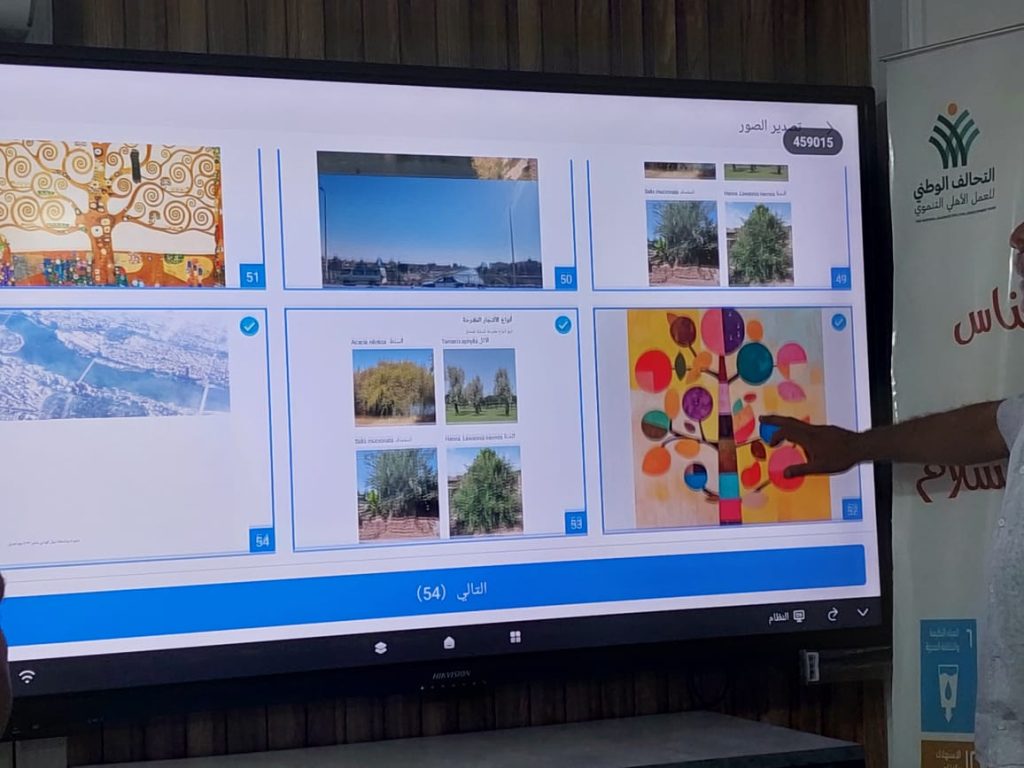
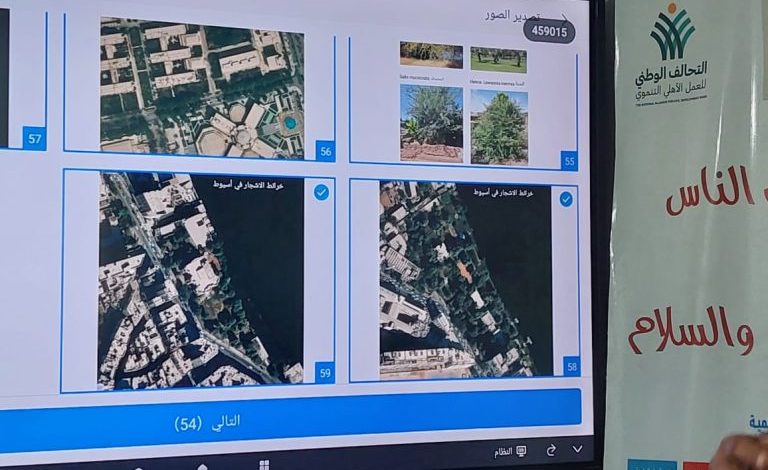
The symposium’s intellectual zenith was anchored by Dr. Nabil Abdel-Hadi, Professor of Architecture at Cairo University’s Faculty of Engineering and the pioneer behind Egypt’s inaugural “Tree Maps” initiative in Cairo. Spearheaded under the hallowed auspices of Cairo University, his original project achieved the monumental task of digitally archiving thousands of rare species across the Orman Botanical Garden, the Giza Zoo, and the university campus itself.
The Genesis of the First “Tree Map”
Abdel-Hadi commenced his address by challenging a modern ecological fallacy: the notion that planting a sapling compensates for felling a mature tree. A single tree, he argued, requires nearly forty years to reach the zenith of its maturity, only then offering equivalent health and environmental sanctuaries to humans, fauna, avian life, and the agricultural soil. He emphasized that digital documentation serves as an assertive weapon to halt the encroaching violence against nature, noting the critical importance of recognizing the sanctity of each individual tree.
The foundational intent of the “Tree Maps” project and its accompanying literature transcends mere botanical categorization. Instead, it aspires to build an immutable, transparent database capable of distinguishing indigenous flora from foreign introductions. Crucially, it isolates invasive species that jeopardize Egypt’s ecological equilibrium, such as the mesquite tree (an aggressive shrub), which currently poses a severe environmental crisis. Dr. Abdel-Hadi asserted that without a rigorous, atmospheric understanding of what truly exists within our immediate surroundings, authoritative decisions regarding conservation, urban development, or the restoration of ecological harmony remain impossible, particularly since trees constitute the literal bedrock of any ecosystem as the primary producers of biomass.
Biodiversity and the Global Yardstick
Dr. Nabil Abdel-Hadi further explained that this documentation project aligns seamlessly with the National Biodiversity Strategy and international benchmarks dictated by the Kunming-Montreal Global Biodiversity Framework. This global accord mandates that no developmental project should degrade biodiversity; rather, it must yield a net environmental gain of no less than 10 percent. While this stringent standard sees successful implementation in nations like England, it remains unactivated within the Egyptian theater.
He offered a biting critique of the contemporary fixation on “smart architecture,” dismissing it as a reductive, conventional concept. The grandest intelligence on this planet, he argued, resides in nature itself; the human task is to decipher its laws and harmonize with its systems. The fundamental crisis in modern architectural education lies not in the curricula, but in the very interiority of our thinking. A building cannot be designed in stark silence, isolated from its environmental and social tapestry. Every site possesses its own soul, whether cradled by the Nile or cast into the desert, shaped uniquely by the convergence of topography and humanity. The greater challenge requires a radical re-evaluation of how we perceive our environment, particularly in urban planning and housing sectors, where developers routinely treat a site as a blank canvas to be manipulated without reverence for its natural heritage.
Native Timber Against Alien Invaders
The initiative’s founder issued an urgent call to prioritize the cultivation of Egypt’s native trees, particularly in regions blessed with abundant fresh water. These species are deeply woven into the country’s ecological fabric, bearing pure Egyptian lineage. He highlighted this as a vital imperative that demands immediate state attention and execution, executed in close locked-step with the Faculty of Science at Assiut University.
Addressing the crisis of the ward el-Nil (Water Hyacinth), Abdel-Hadi described it as an unmitigated disaster. Originally imported by a descendant of Muhammad Ali Pasha to adorn a royal estate, the weed spread aggressively across the veins of the Nile, devouring catastrophic volumes of water. Ongoing government efforts to dredge and cleanse the river offer mere cosmetic relief rather than a radical, permanent cure to its existence in Egypt.
Abdel-Hadi also cast a critical eye on the national project to line canals and drainage ditches. Contrary to popular belief, he argued that concrete lining fails to conserve water efficiently; instead, it drives up ambient temperatures and accelerates the salinization of surrounding agricultural lands. This practice risks decimating local fish populations, which historically purified the waters and enhanced soil fertility. He further warned of the existential danger of marine saltwater infiltrating freshwater aquifers.
In historical contrast, Muhammad Ali Pasha strategically lined canal banks with kafoor (Eucalyptus) trees to naturally mitigate water seepage. Conversely, Abdel-Hadi condemned what he termed a historical “crime” committed by Khedive Ismail, who filled in and restricted sections of the Nile’s natural course to construct the Giza Zoo and Orman Gardens. He concluded by untangling the deep misconceptions regarding thousands of non-native trees that the public misidentifies as local, reaffirming that the sant (Acacia) and gomeiz (Sycamore Fig) remain the true, inherited legacies of the Pharaonic eras.
Environmental Assaults and the Path Forward
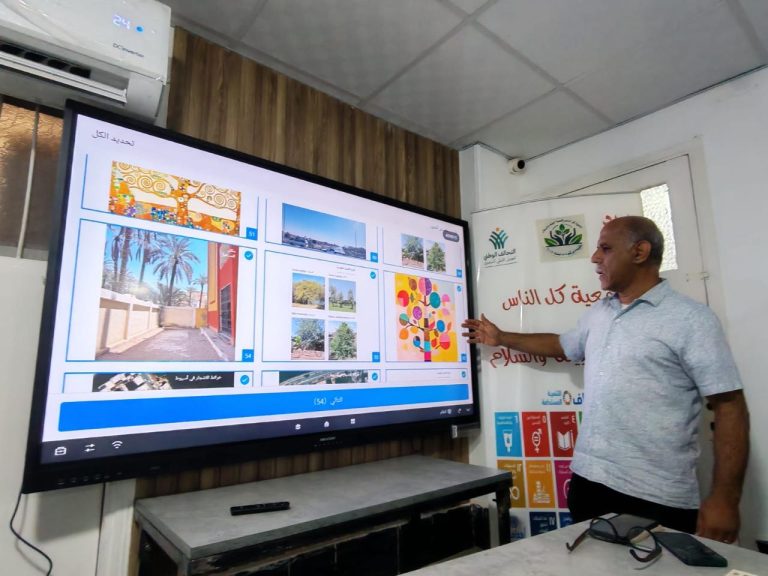
During the gathering, Adel Taufiq, President of the “All People” Association, underscored the direct, devastating impact of the escalating assaults on Egypt’s green canopy. This environmental attrition, spreading from Assiut across the republic, directly threatens public health, agricultural topsoil, fisheries, and biodiversity, realities that remain tragically obscured from the consciousness of a vast segment of the populace.
The assembly, bringing together environmental specialists, civil servants, cultural figures, journalists, and educators, debated the recurring violations against rare trees within the governorate and examined structural mechanisms for their defense. They addressed the bureaucratic paralysis obstructing environmental awareness campaigns in schools and devised creative alternatives to bypass these hurdles. The symposium culminated in a collective pact: the initiative will replicate successful models established in Cairo’s public schools, creating dedicated sanctuaries for indigenous trees like the sycamore fig, henna, acacia, and sedr (Lote tree). The ultimate objective remains the cultivation of a new generation intimately bound to the soil and conscious of its arboreal heritage. Furthermore, the coalition resolved to form the first specialized afforestation unit in coordination with relevant state authorities, alongside a dedicated task force to digitally tag and code trees, erecting an ironclad legal and practical fortress around Egypt’s living monuments.