Alexandria’s Historic Tram Faces Modernization: Residents Fear Losing Africa’s Oldest Transit System
Egypt’s 164-year-old “Tramway” modernisation plan sparks debate between progress and preservation in the Mediterranean coastal city.
Modernisation Plans for Africa’s First Mass Transit System
In September 2022, Egypt’s Ministry of Transportation announced plans to rehabilitate Alexandria’s historic Al-Raml Tram, including new carriages and bridges at major intersections to reduce traffic congestion. Last May, the Ministry contracted two companies to upgrade the 13.2-kilometre
Living Museum on Rails: The Tram’s Historic Significance
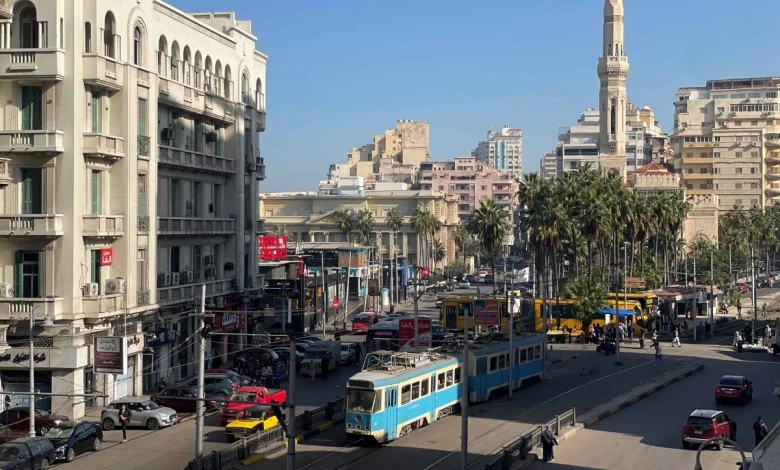
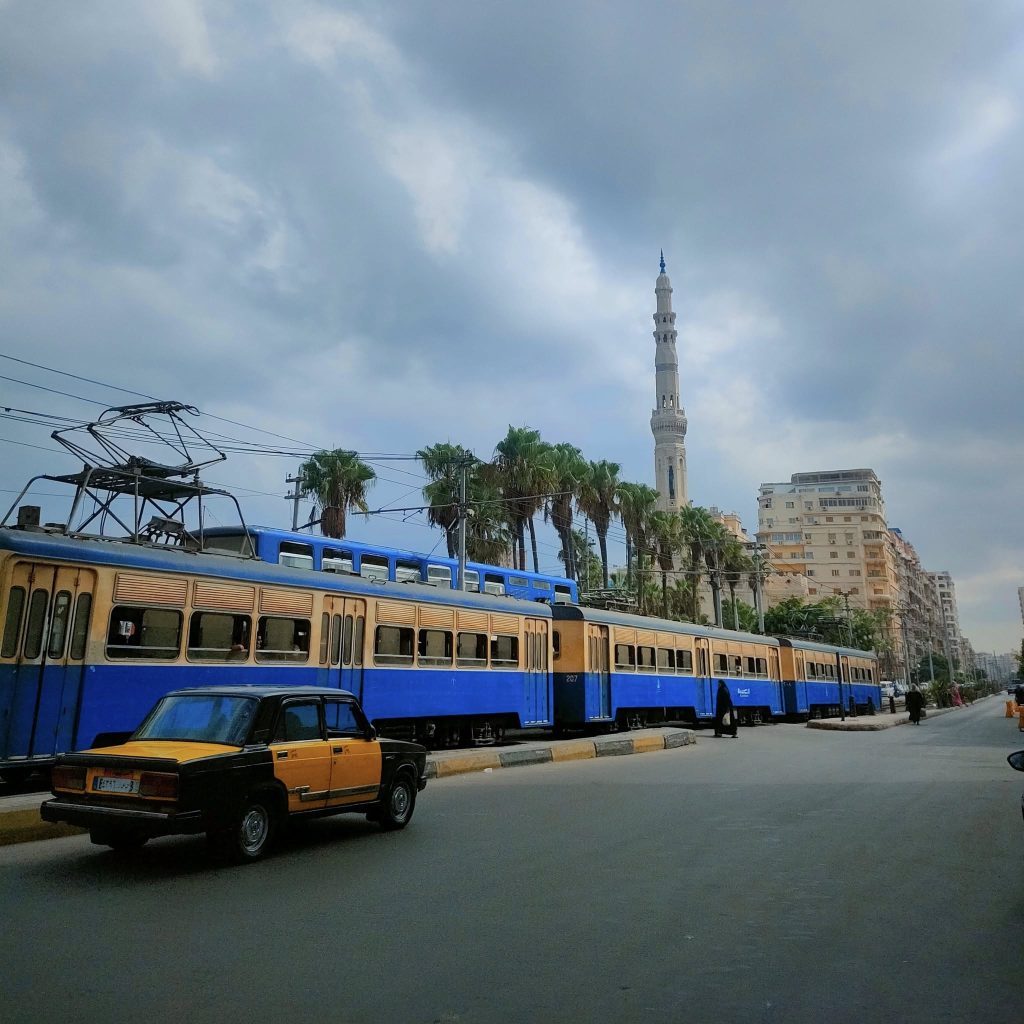
The Alexandria Tram, locally known as the “Tramway,” holds the distinction of being Egypt and Africa’s first mass transit system. Operating since 1860, making it one of the world’s oldest continuously running tram networks, it predates even Cairo’s tram system by 36 years. For over 160 years, its distinctive yellow two-car carriages have threaded through Alexandria’s densely populated neighbourhoods along Egypt’s Mediterranean coast. (8.2-mile) line spanning 24 stations,5.7 km at street level, 7.3 km elevated, and 276 meters through an underground tunnel. However, no official start date has been confirmed, though the project was tentatively scheduled for late 2025.
Despite local media reporting December 27, 2024, as the proposed shutdown date, neither the Ministry of Transportation, Alexandria Governorate, the National Authority for Tunnels, nor the Alexandria Public Passenger Transport Authority have issued official statements confirming when modernisation will begin.
Documenting Disappearing Heritage
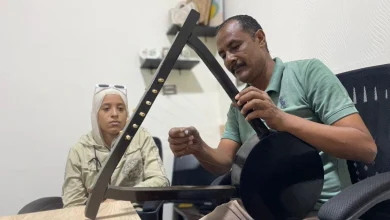
Photographer Shaimaa Said recently joined fellow photographers to document what may be the tram’s final days before modernisation. “When I found out the tram was going to be developed or removed—whatever the term, we decided to document it before it’s taken away,” she explains. “My focus was capturing memories I’ve lived and that are etched inside me, which I might never see again. This was honestly the saddest news that affected me.”
She adds poignantly: “The tram taught us how to enjoy today, step by step, and station by station. It’s not important to arrive early; what’s important is to arrive while we still remember the story.”
Speed vs. Slowness: Competing Visions for Urban Transit
The Government’s Efficiency Goals
According to the Ministry of Transportation, modernisation aims to reduce travel time from 60 minutes to 35 minutes by increasing operational speed from 11 km/h (7 mph) to 21 km/h (13 mph). These improvements prioritise efficiency and passenger capacity in a rapidly growing city of approximately 5.5 million people.
Why Alexandrians Embrace the “Slow” Tram
However, what officials view as inefficiency, many residents consider the tram’s defining characteristic. Mina Zaki, founder of the heritage group “Siret Al-Iskandariya” (Alexandria Story), explains the acceptance of the tram’s leisurely pace through its economic value and strategic placement.
“The tram is a main artery that gathers the memories of Alexandria,” says Zaki. “Despite complaints about its slow movement, it remains a pragmatic choice with its ticket price of 5 Egyptian pounds (approximately $0.10 USD), compared to nearly double for buses operating along the Corniche” (the coastal boulevard).
He notes that Alexandria’s essential infrastructure, schools, hospitals, religious institutions, and commercial districts developed around tram stations over 16 decades. “Unlike coastal transport, which might require walking up to 1,500 meters (nearly a mile) to reach destinations, the tram stops directly at vital facilities,” Zaki explains.
More Than Transportation: A Symbol of Urban Identity
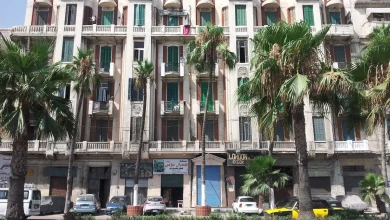
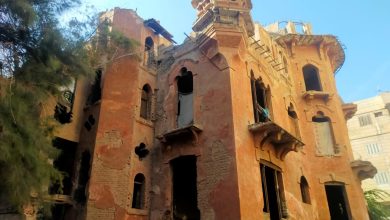
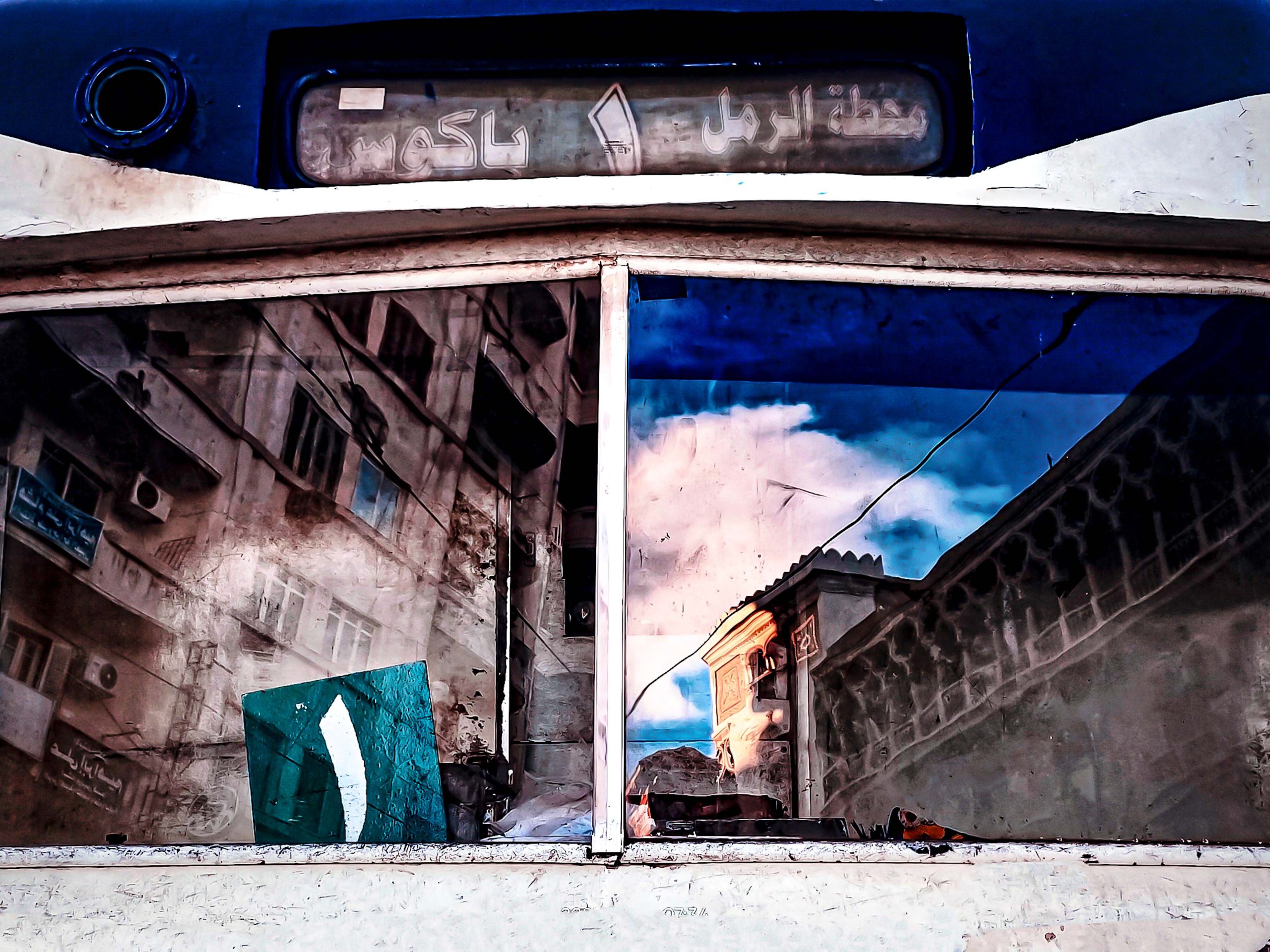
The concept of “aesthetic slowness” is a prominent feature in Alexandria’s literary tradition. The short distances between stations, such as Al-Raml to Al-Manshiya or Al-Raml to Al-Azareeta, offer passengers a moving observation deck for the city’s historic architecture and evolving neighbourhoods.
Poet and novelist Alaa Khalid, who describes himself as a lifelong “tram rider,” used the system to commute from Bulkeley station to primary school. In high school, he deliberately chose a school 12 stations away, “searching for a new rhythm of life.”
In his magazine “Aamkena” (Our Places) and book “Wogoh Sekenderiya” (Alexandria Faces), Khalid chronicles how the tram connects people and places in Alexandria’s collective memory. He dedicated an entire chapter, “Al-Nasr Line and Bacos Line,” to observing class differences among passengers and neighbourhoods during journeys slow enough to permit genuine contemplation.
A Platform for Community Connection
At the end of 2023, Khalid organised weekly meetings through “Aamkena”, a local publication on heritage titled “Alexandria Tram… A Living Memory,” where participants discussed the tram’s social role and its impact on residents’ lives. The series culminated in a collective book of personal stories and a photographic exhibition exploring Alexandria’s relationship with its iconic transit system.
A Safe Haven for Students
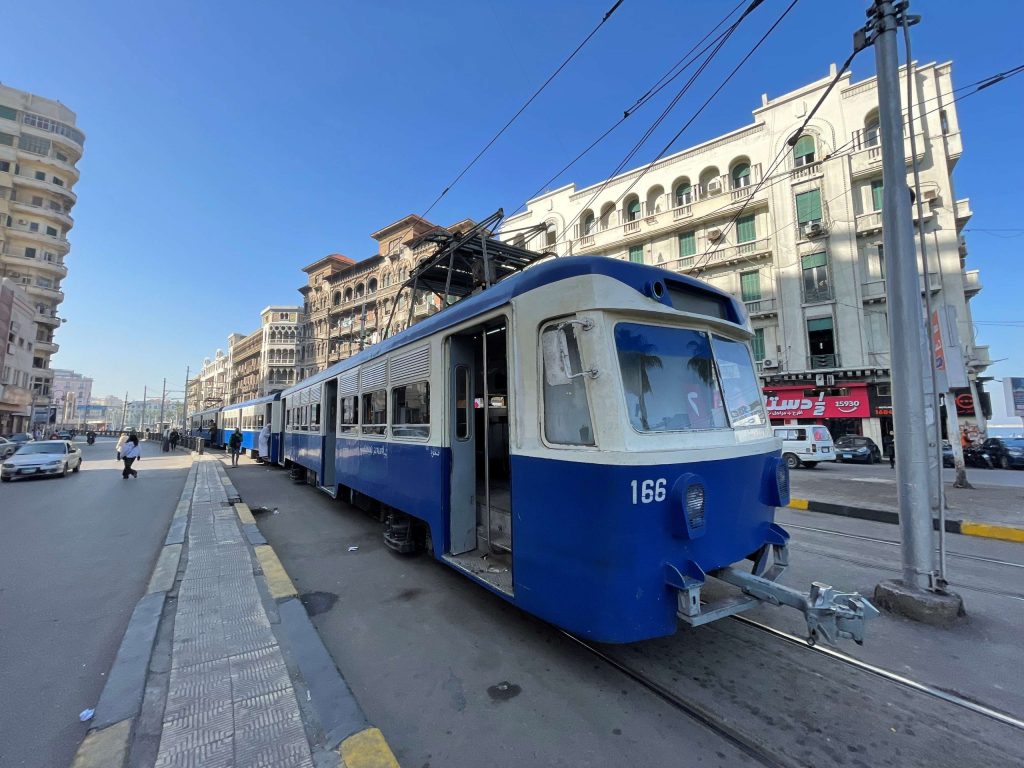
For Shaimaa Said, the tram represents more than efficient transportation; it embodies childhood itself. “During primary school, my school was near Tharwat station. I could have taken buses via the coastal road, but the tram was the safest option for me,” she recalls. “My school friends and I would race to sit by the window, watch the city, and count the stations. Stories would steal us away amidst laughter and banter.”
The tram remained her constant companion “from primary until secondary school, and until we entered university and each went to a different college. Nothing brought us together except the tram and the meeting there.”

Economic Accessibility at Stake
Shaimaa has witnessed the fare evolution firsthand: “I rode it when it cost half a pound, then one pound, then one and a half, then two pounds, until it reached five pounds. Perhaps its price is one reason for the development, it’s transport with a simple ticket, but maintenance and labour cost a lot.”
During the recent photo documentation project, passengers reacted with mixed emotions to news of modernisation. “We met people in favour of increasing speed and making it better,” Shaimaa reports. “But other people were very upset and told us: ‘Photograph, write, and say we don’t want development; we want it as it is. If it’s developed, it will become expensive for us, and we are poor. This is the only transport whose price we can afford to go to work and run our errands. Besides, the number of schools near tram stations is huge.
Historical Precedent: Trams and Urban Education Access
Lessons from Cairo’s Tram System
Historian Mohamed Said Kilani, in his book “Cairo Tram,” describes how tram introduction in 1896 transformed Egypt’s capital. The system “moved Cairo’s society from the era of Bedouin life, mules, and donkeys to the era of civilisation and urbanity, connecting neighbourhoods and breaking their isolation, so that a pupil who couldn’t find a school in their district could enrol in a school in another district.”
In Alexandria, where the tram predates Cairo’s by 36 years, schools and hospitals were deliberately built alongside tram lines. The system remains crucial for students attending schools and Alexandria University, particularly near Soter and University stations.
Warnings from Recent Transit Disruptions
The Abu Qir Train Suspension: A Cautionary Tale
Visual artist Hamdi Youssef, who lives in the Al-Mandara area, experienced firsthand what happens when historic transit systems shut down. The Abu Qir train, currently suspended for station development, left thousands of daily commuters stranded.
“It was a difficult period,” Youssef recalls. “Imagine thousands of passengers accustomed to the train had to wait for long hours until buses became available on the coastal road line. This caused severe car congestion.”
He warns: “The same thing is expected with stopping the tram, because the number of schools near the tram line is huge, and closing it will cause massive congestion in an area that cannot handle the traffic.”
Youssef, who studied at the Faculty of Fine Arts near the Al-Nasr-Victoria line stations, particularly enjoys photographing the tram in winter, “when the station floors turn green with light vegetation during the rainy season. I used to wait for this beauty; the tram has always been part of the city’s heritage and history.”
The “Last Ticket” Farewell Journey
Community Organises Tribute to Threatened Heritage
Last Thursday, the Siret Al-Iskandariya group organised “The Last Ticket” tour from Al-Raml to Victoria station. According to the group’s social media: “The journey wasn’t just a transfer from one place to another, but a tour in the heart of Alexandria and its memory. We saw the ancient buildings, the schools that witnessed successive generations,every station had its story, and every street bore witness to a different era.”
Mina Zaki reports overwhelming response to the farewell tour: “The agreement was for 10 individuals to participate, but attendance requests reached 30, and at the start of the tour, the number exceeded 70 participants, with others joining us along the way. We discussed the tram’s history, its relationship with the city and surrounding buildings, and its human and cultural impact.”
A Symbol Beyond Transportation
Cultural Icon in Film and Popular Media
The tram’s fame extends beyond daily transportation into Egypt’s popular culture. It has appeared in numerous films shot in Alexandria, including “Sa’ei Bahr” and “Baltiyet al-‘Aayema,” as well as in musical advertisements and commercial campaigns.
As Zaki concludes: “The tram is an essential part of Alexandrian identity. The tram was present as the memory of the city itself before its residents.”
What’s Next for Alexandria’s Tramway?
As of late December 2024, Alexandria’s residents await official confirmation of when, and precisely how, modernisation will proceed. The tension between progress and preservation reflects broader questions facing historic cities worldwide: How do we balance infrastructure efficiency with cultural heritage? Can modernisation preserve the character that makes a transit system beloved by generations?
For now, the yellow carriages continue their deliberate journey through Alexandria’s streets, carrying students to school, workers to their jobs, and a city’s collective memory forward—one slow station at a time.